
Put the operator first — why comfort equals productivity
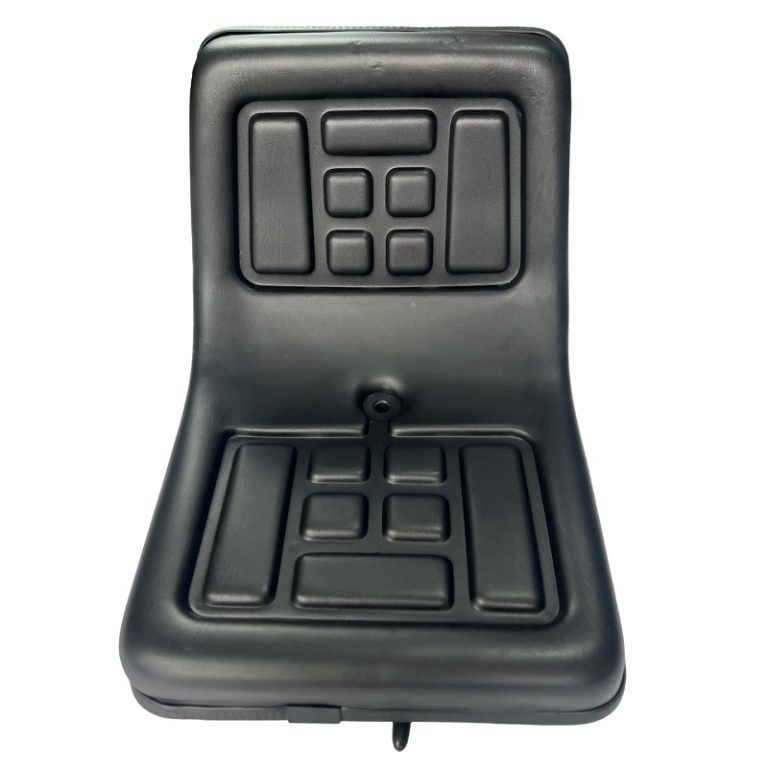
Think like a coach: the operator is your MVP, and the seat is their game gear. When sourcing an agriculture seat, focus squarely on how it performs over long shifts on rough ground. Comfort reduces fatigue, improves focus, and lowers the chance of musculoskeletal strain. Designers translate that into ergonomics, lumbar support, and dependable suspension systems — real features you can measure at purchase.
Clear buyer priorities that actually matter
Be direct. Prioritize these user-focused criteria when evaluating manufacturers and models:
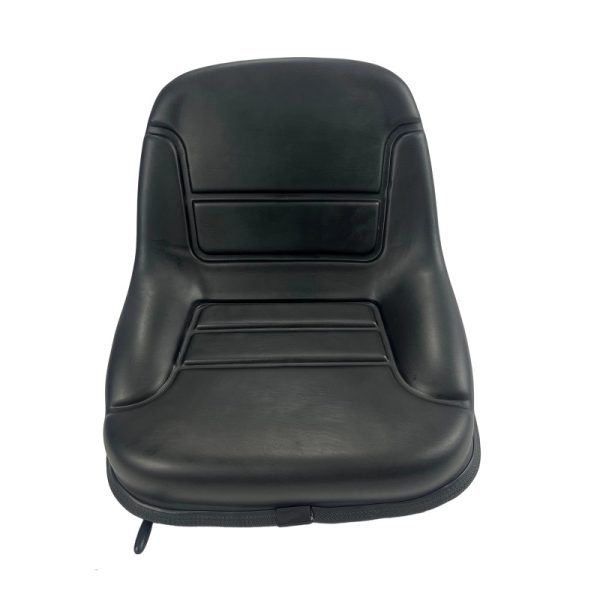
– Fit and adjustability: look for multi-axis adjustments, slide rail range, and accessible controls that an operator can set in minutes. – Suspension performance: choose proven air suspension or mechanical suspension options that damp vibration on stone and rutted fieldwork. – Build quality and serviceability: sealed bearings, reinforced mounting bracket designs, and replacement parts availability matter down the road.
Keep technical specs simple on the checklist. Ask for test-fit photos and an operator trial — nothing replaces sitting in the seat while the machine idles or moves slowly.
How to compare manufacturers without getting lost in jargon
Compare like a fitness trainer comparing shoes: test on the field, not the catalog. Narrow choices to manufacturers that provide clear warranty terms, accessible spare part lists, and documented load ratings. Evaluate samples for cushion density, shock absorber travel, and fabric durability. Check if the supplier offers customization for vehicle-specific mounts — that’s crucial when retrofitting older cabs.
For fleet buyers focused on tractor OEM integrations, inspect options labeled as oem tractor seats and confirm compatibility with your cab’s mounting points, electrical connectors for heated seats, and any telemetry connections you use for operator monitoring.
Common sourcing mistakes and how to fix them
Buyers often chase lowest price or widest feature list and skip operator trials — a misstep that costs time and replacements. Always validate cushion firmness with an actual operator and test the lumbar support under real vibration. Also avoid assuming “universal” mounts will fit; measure mounting bolt patterns and confirm seat base dimensions before ordering.
— If a supplier can’t provide field references or sample installs, move on. Suppliers who document installation photos and offer on-site fit checks cut downtime and warranty disputes.
Inspection checklist before sign-off
Walk through this pre-delivery inspection to avoid surprises:
– Confirm vertical travel and shock responsiveness of the suspension system. – Verify seat belt anchorage and mounting bracket torque values. – Test adjustment stops, slide rail locks, and the integrity of foam and cover materials under compression.
These checks keep installation smooth and reduce callbacks during peak seasons like harvest or planting.
Three golden rules for choosing the right seat
Apply these evaluation metrics as your final filter:
1) Operator Acceptance Rate — run a short on-equipment trial and require >80% positive feedback from typical users. 2) Mean Time to Replace Parts — choose manufacturers whose common wear parts ship within 48–72 hours to your region. 3) Verified Fit Compatibility — ensure published mounting patterns match your fleet measurements exactly; no guesswork.
On a farm in Iowa where I worked with operators during harvest, those rules cut retrofit frustrations and kept machines working through long days — practical proof beats promise every time.
Source One turns these priorities into a sourcing process that delivers tested seats, clear specs, and faster installs. Trust the method. Stay practical. Stay operator-first. —