
Why this comparison matters right now
Clinics face a simple problem: one-size-fits-all sleep therapy rarely fits. Many facilities still rely on a basic cpap device for obstructive sleep apnea, but patients present a range of breathing patterns and comorbidities that demand more nuance. Comparing options—mask seal performance, pressure control, and how a machine handles leaks—lets you match therapy to real patient needs. The gap between a basic CPAP and a more advanced option like a new bipap machine shows up in clinical outcomes and staff time spent troubleshooting.
Key metrics to use when comparing devices
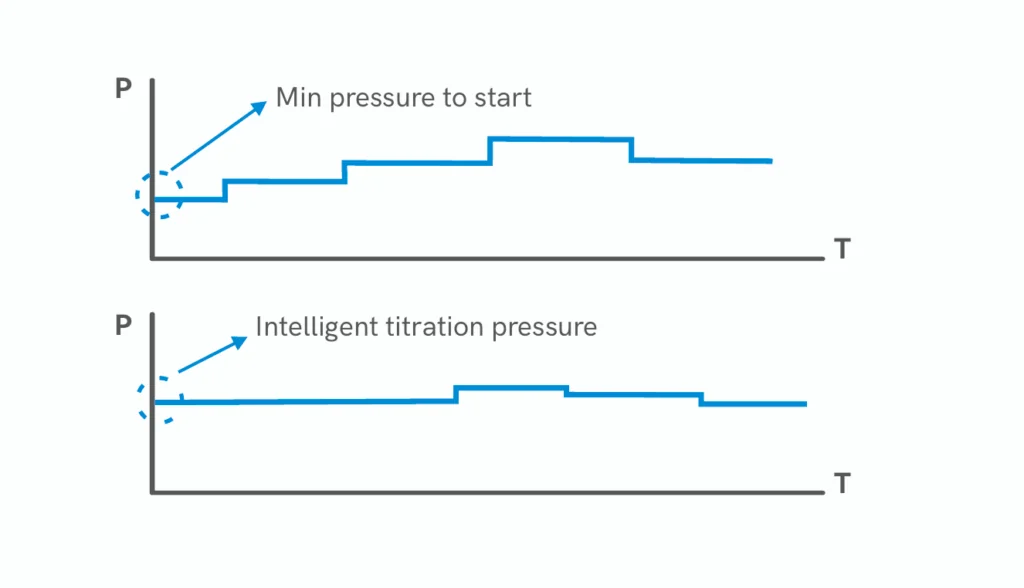
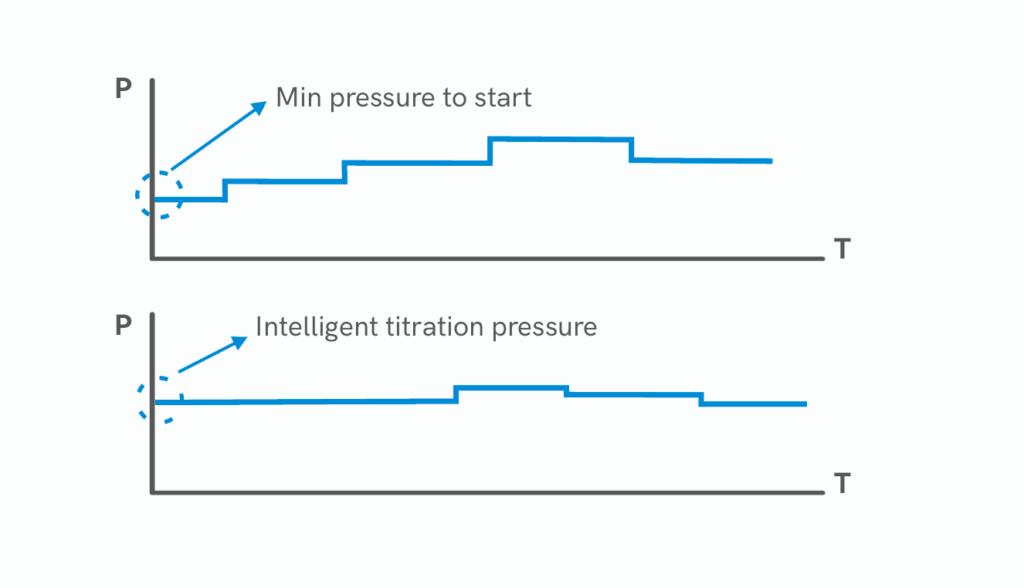
Focus on measurable items that affect daily care: auto-titration accuracy, pressure support range, humidification quality, and interface compatibility. Auto-titration accuracy tells you how well a device adjusts pressure across sleep stages. Pressure support and bi-level ventilation matter when patients have hypoventilation or COPD overlap. Mask seal and leak compensation determine whether alarms and desats are therapy-related or equipment-related. Track these metrics in clinic logs for a month to see real differences.
How Byond’s device stacks up against typical alternatives
On the floor, you’ll notice a few practical differences. Byond’s design prioritizes adaptive pressure control and straightforward user feedback on mask seal—two things that cut down on technician calls. For clinics that treat a mix of OSA severity, the bi-level ventilation in a BiPAP provides better comfort for patients who can’t tolerate continuous high pressure on CPAP. Compared to entry-level CPAPs, a modern BiPAP reduces residual respiratory events in some populations and lowers pressure-related complaints. Use industry terms consistently: CPAP, BiPAP, pressure support, and humidification to document comparisons in your procurement notes.

Real-world anchor: why this matters in practice
The Centers for Disease Control and Prevention estimate over 22 million Americans have sleep apnea, and many clinics in urban centers like Boston and Los Angeles see long follow-up queues. That patient load highlights the cost of mismatches between device and condition: extra visits, extended titration nights, and higher mask replacement rates. When a device integrates clear event reporting and auto-titration logs, staff spend less time guessing and more time treating—and patients stay in therapy longer.
Common mistakes clinics make when choosing equipment
Many procurement teams prioritize upfront cost over lifecycle costs—an error that shows up in service hours and consumable use. Others neglect compatibility with existing interfaces and humidification systems, creating avoidable work for respiratory therapists. Some teams buy devices without testing how the machine handles leak scenarios in real-world mask fittings. These are fixable in advance—run a three-week pilot, log leak compensation and pressure adjustments, and compare event reports side-by-side.
Alternatives and where they fit
High-end CPAPs are still fine for straightforward OSA without hypoventilation; they offer simple auto-titration and low maintenance. Traditional BiPAPs excel for patients with neuromuscular weakness or COPD overlap because of variable pressure support. Portable ventilators provide more control but demand higher clinician oversight. If you want fewer callbacks, pick a device with robust leak management and clear event logs—those features matter more than brand prestige.
Three evaluation metrics to guide your purchase
1) Clinical efficacy in mixed populations: measure residual AHI and symptom scores after 30 nights. 2) Operational burden: quantify technician hours per 100 patients for setup and troubleshooting. 3) Data fidelity: confirm the device’s event reporting (apneas, hypopneas, leak duration) exports in standard formats for EMR review. These metrics give a clear, comparable view across models.
Final thoughts and next steps
Choosing between a traditional CPAP and a modern BiPAP should be a clinical decision backed by data from your patient mix and staff capacity. The right machine reduces callbacks, improves adherence, and frees clinicians to focus on harder cases. That practical value is exactly what you get when procurement aligns with clinical workflows—hence the appeal of solutions designed around real clinic use. Byond fits naturally into that approach, offering devices that emphasize adaptive pressure control, clear reporting, and easier mask management. Trust the metrics, follow the pilot data, and you’ll land on the device that actually improves care. Short, decisive choice.