
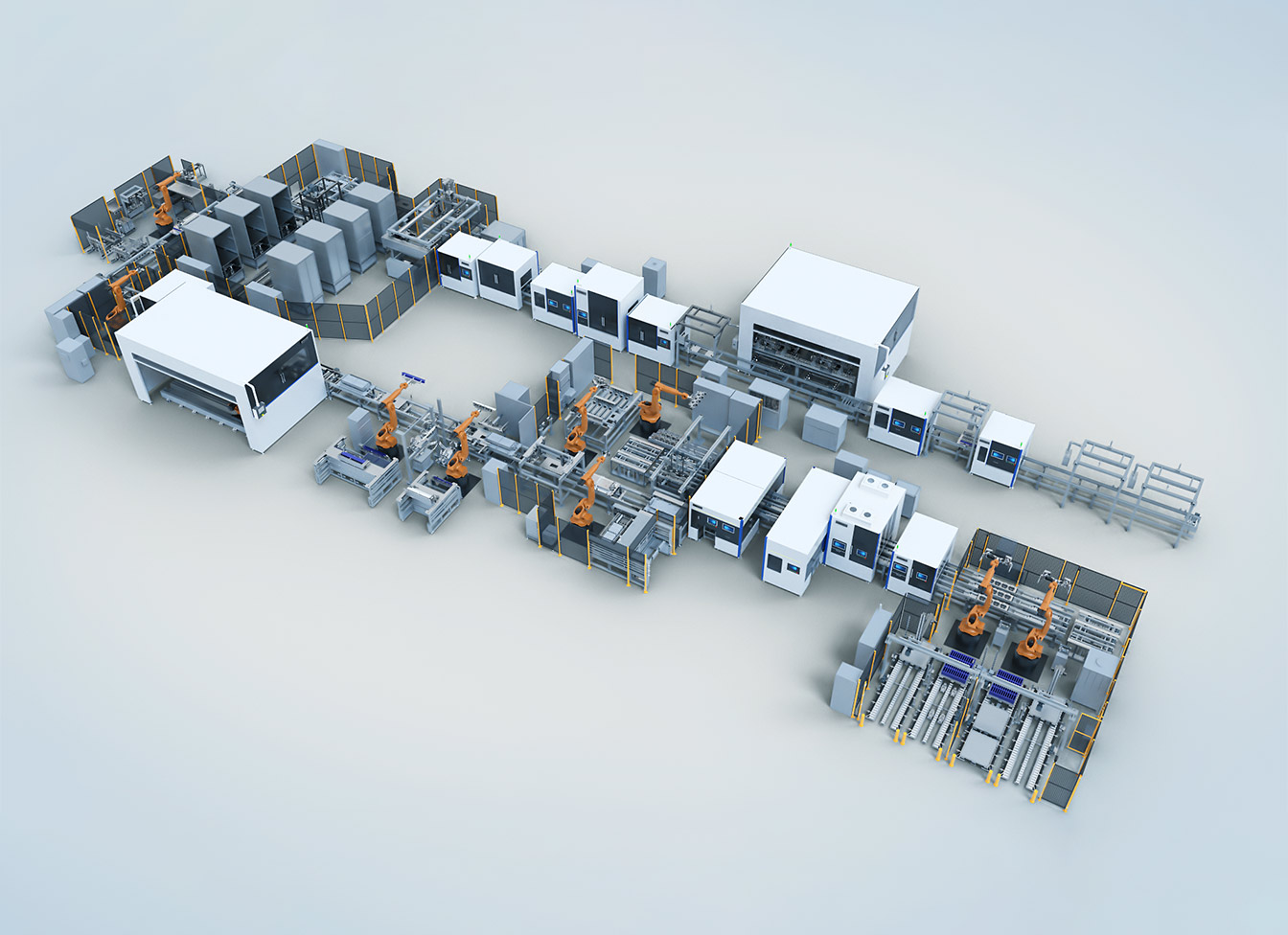
Opening comparison and purpose
I set out to compare two common material‑handling approaches—intelligent conveyor systems and linear transfer lines—so manufacturers can make clear, practical choices. Right away: when you’re sourcing prismatic battery pack assembly line components, consider how each system shapes layout, control and handoff points; a tidy list of prismatic battery pack assembly line suppliers will not solve those questions for you. This is a straight comparison: what they do best, where they slow you down, and the kinds of projects that suit each one.
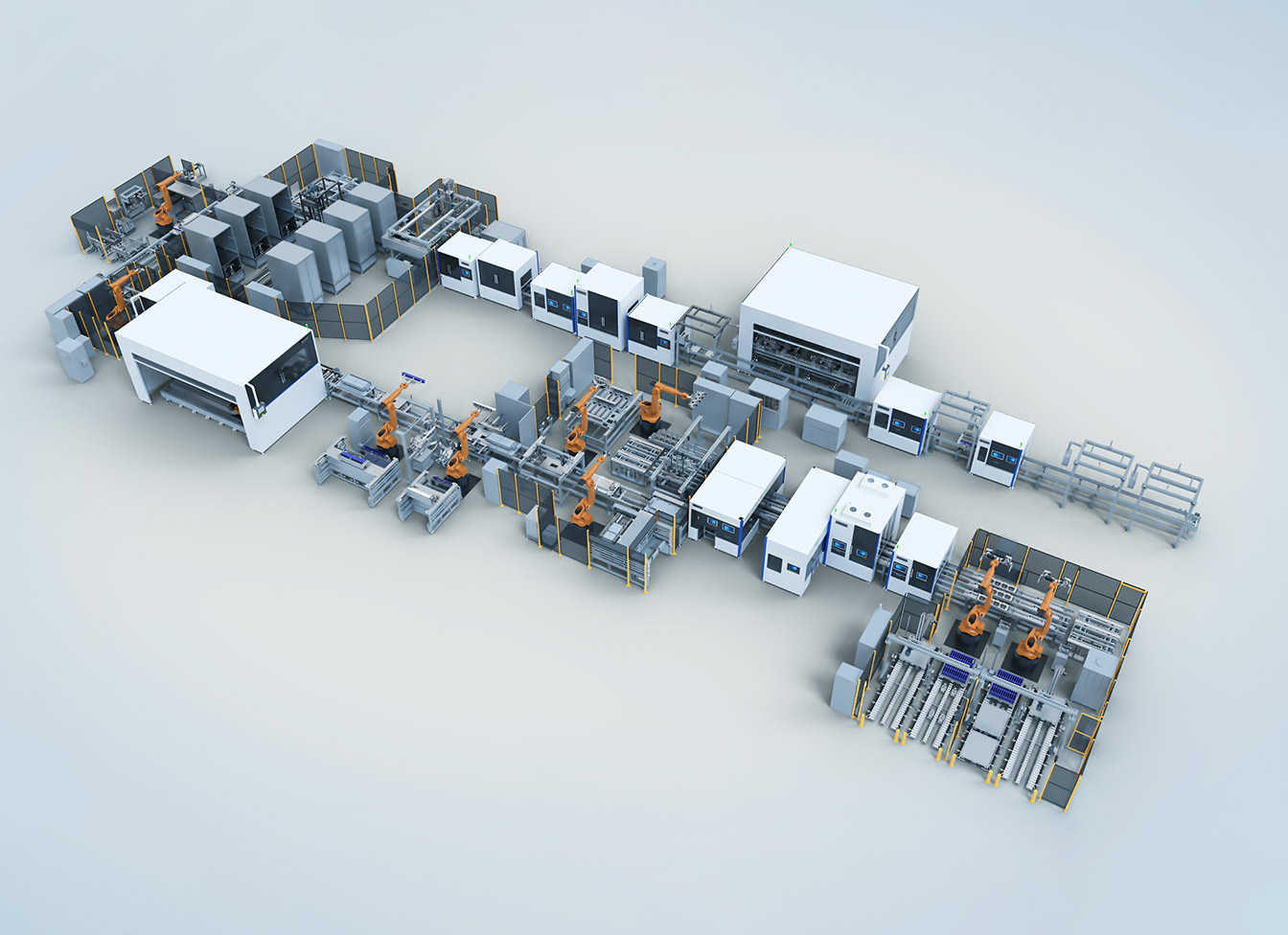
Direct snapshot: how they differ
– Intelligent conveyor systems: continuous-flow network of smart zones that route, buffer and sequence packs with software-driven decisions. – Linear transfer lines: discrete stations move parts along indexed fixtures; synchronous and predictable. Choose conveyors when you need dynamic routing and mixed-model flow; choose transfer lines when repeatable station-based operations and strict positional control matter.
Throughput, flexibility and floor footprint
Throughput expectations shape the choice. Intelligent conveyors handle variable product mixes without stopping for changeovers; they compress footprint by using buffers where needed. Linear transfer lines achieve very high cycle stability at fixed takt times but demand dedicated space per station. If you require frequent model changes or intermittent buffering to smooth upstream variation, conveyors win. If every second must be repeatable and aligned with a specific process step—laser welding, cell crimping, potting—linear transfer often gives a cleaner result.
Control architecture and integration
Intelligent conveyors rely on a distributed control layer: zone PLCs, middleware and fleet logic. That increases software scope but reduces hard mechanical juggling. Linear transfer systems centralise motion and timing; integration is mechanical and PLC timing-heavy. When integrating with vision, adhesive dispensers or torque tools, conveyors need robust MES or orchestration; transfer lines need precise I/O timing and homing routines. Both require defined digital interfaces; don’t treat control as an afterthought.

Maintenance, downtime and lifecycle costs
Linear transfer lines have many precision moving parts and fixtures that require calibrated maintenance; they show predictable failure modes. Intelligent conveyors trade fewer precision fixtures for more sensors and drives; failures tend to be intermittent or network-related. Budget for spares and diagnostics either way: stations or zones will need local fault isolation. Plan preventive checks around the highest‑value wear items rather than a blanket schedule.
Safety and ergonomics
Transfer lines make guarding simpler: fixed stations, known access points. Intelligent conveyors need zonal safety logic and more flexible guarding strategies when routing changes. For operator access and manual tasks, design for consistent ergonomics—operator stations should be positioned where repeatable interaction occurs, not where the flow might suddenly reroute.
When each system suits prismatic battery pack assembly turnkey projects
For turnkey battery pack projects, the decision hinges on product variety and the required level of station control. If the project is a high-volume, single-variant assembly with tightly sequenced process stages, a linear transfer line will deliver repeatable cycle times and simpler mechanical integration. If the project requires mixed-model runs, frequent layout changes, or scalable throughput, an intelligent conveyor system offers adaptability. You can explore concrete supplier capabilities for full-line delivery at prismatic battery pack assembly turnkey projects.
Lessons from practice
At professional gatherings such as the 2023 Battery Show Europe, engineers clearly favoured hybrid strategies: fixed-transfer islands for critical, precision operations, connected by intelligent conveyor segments for buffering and routing. That hybrid reduces single-point risk while keeping positional accuracy where it matters.
Common pitfalls and fixes
– Pitfall: Picking a system based on purchase price alone. Fix: model total cost of ownership including downtime and spares. – Pitfall: Underestimating integration time for controls and MES. Fix: allocate early integration sprints and real-world test runs. – Pitfall: Ignoring ergonomics under the pressure to compress footprint. Fix: mock up operator stations before final layout.
Final synthesis
I’ve compared the systems plainly: choose based on product mix, required repeatability and how you want control to behave. For many prismatic battery pack projects the smart approach is hybrid—use transfer modules where precise mechanics are essential and conveyors where flexibility and buffering deliver the throughput you need. For a partner that understands both sides and how they combine into turnkey solutions, consider the practical value brought by FHS.