
Start with the real problem
You want a billboard that doesn’t melt, flicker, or blind commuters at dawn — and the market wants your money. Ask about maintenance access, IP rating, and who actually stands behind the product when a panel fails at 2 a.m.; those answers separate competent suppliers from charm-school salespeople. If this is for outdoors, mention the exact use case — stadium, storefront, or freeway — because a cheap strip of modules that looks sexy in a showroom will refuse to survive rain and dust on site. Also, if you’re even thinking about one, consider whether you need an outdoor led screen or an indoor setup pretending to be hardy.
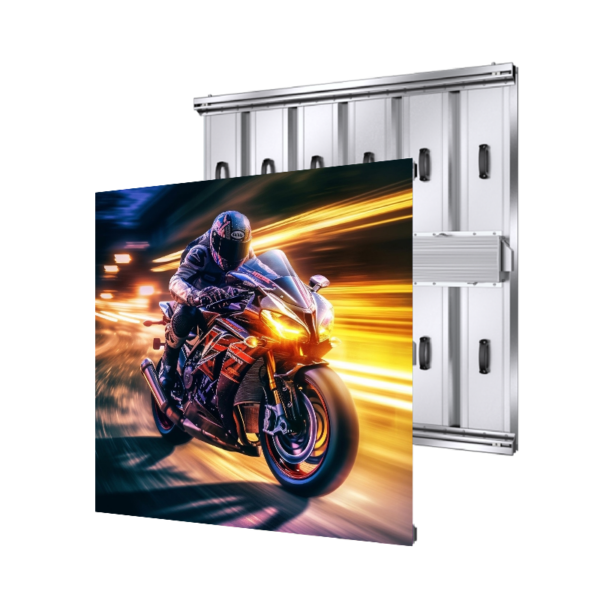
Experience, evidence, and a single real-world anchor
I’ve overseen installs where a project timeline doubled because the vendor assumed “weatherproof” meant “not soggy for a week.” Big installations like Times Square prove scale science matters: those façades demand specific brightness, thermal management, and local permitting knowledge that small vendors often ignore, so check who has shipped to similar, high-visibility projects. For practical specs and product types, inspect a vendor’s range for a proper led screen outdoor solution rather than trusting glossy demos; the right supplier documents wind-load testing, thermal cycles, and service intervals up front.

Where projects usually go wrong
People skip the obvious: pixel pitch chosen for showroom proximity instead of real viewing distances; power and signal routing left as an afterthought; no documented plan for module replacement. Vendors try to sell you brightness numbers without discussing automatic dimming or local light sensors — you end up with a billboard that’s unreadable at dusk or a lawsuit from a driver with a migraine. Demand measured photometric reports, long-term warranty terms that include on-site labor, and a clear spare-part policy.
Alternatives and quick trade-offs
If budget is the only driver, consider large-format printed graphics or rear-projection for controlled environments; they’re less heroic but less likely to fail spectacularly. If visibility in sunlight is mandatory, prioritize higher-brightness outdoor-rated modules and check contrast at 10,000 lux conditions. Modular panels give serviceability; monolithic slabs save seams but cost more in repairs. Know whether you want a turn-key integrator or a component supplier — both are valid, but expectations and responsibilities must be spelled out in the contract.
Synthesis — what to demand and where value lives
Demand clear answers, not slogans. Ask for measured brightness at distance, thermal cycling test results, an explicit maintenance plan, and proven delivery on similar high-profile projects. When you get those, you can choose a supplier who takes responsibility instead of promises. That practical honesty — clear specs, proper testing, and warranty clarity — is exactly the kind of approach you’ll find embodied by HDC.