
Opening: Where metal learns to stir
The story begins with motion — a wooden paddle, a sigh of torque, then a machine that learned to knead liquids into uniformity. Engineers and buyers travel that arc together, watching designs shorten old compromises. The shift from batch paddles to continuous systems is visible in every plant that replaced dead zones with focused shear, and the move toward an inline high shear mixer is one of the clearest chapters: compact, repeatable, cruel to lumps, gentle on heat-sensitive emulsions. This is not nostalgia; it is a lineage of solved problems and lingering trade-offs.
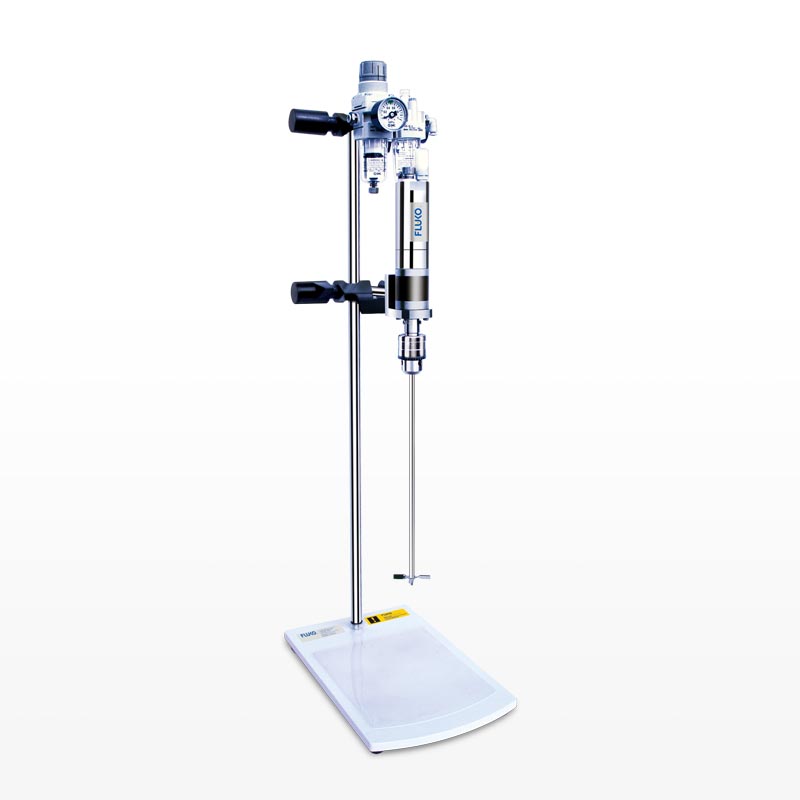
Evolution of intent: What changed and why it matters
Early mixers solved agitation; modern designs solve consistency, throughput, and traceability. Engineers once fought scale-up by brute force — bigger impellers, longer runs. Buyers now demand predictability: the same droplet size, the same viscosity, run after run. That demand reshaped shaft seals, pump integration, and flow geometry. Look for designs that treat shear as a controllable variable, not a side effect. Ask for data: particle-size distributions, energy per volume, and process repeatability. Those numbers tell the evolutionary story better than glossy brochures.
Materials, seals, and service life
Material choice is intentional. Stainless alloys meet corrosion and cleanability, but surface finish dictates fouling. Specify Ra or mirror polish where product contact matters. Mechanical seals and cartridge arrangements are the plumbing of uptime; choose seals tested for your solvent and temperature profile. Engineers must match metallurgy to cleaning regimes; buyers must insist on spare-kits and clear MTBF metrics. Serviceable components reduce production downtime; inaccessible castings do not.
Control philosophy and instrumentation
Controls turned the mixing craft into reproducible science. Variable-speed drives, torque monitoring, and inline particle sensors push operators from guesswork to control loops. Favor systems with accessible I/O and clear failure modes: a stalled rotor with logged torque history is salvageable information. Consider digital recipes that bind speed, flow, and time together — these are the heirlooms an operation hands to its next shift.
Scale and geometry: The repeated problem
Scale-up is a design story with repeated defeats and occasional victories. Simple geometric similarity rarely preserves shear rates and residence-time distribution. Inline devices reduce that risk by decoupling mixing from vessel geometry: they impose a defined energy gradient on fluid as it flows. Still, check for pressure drop, allowable solids loading, and maintenance access. Mock up flow rates before purchase and demand validation at operating viscosities, not at benign lab conditions.
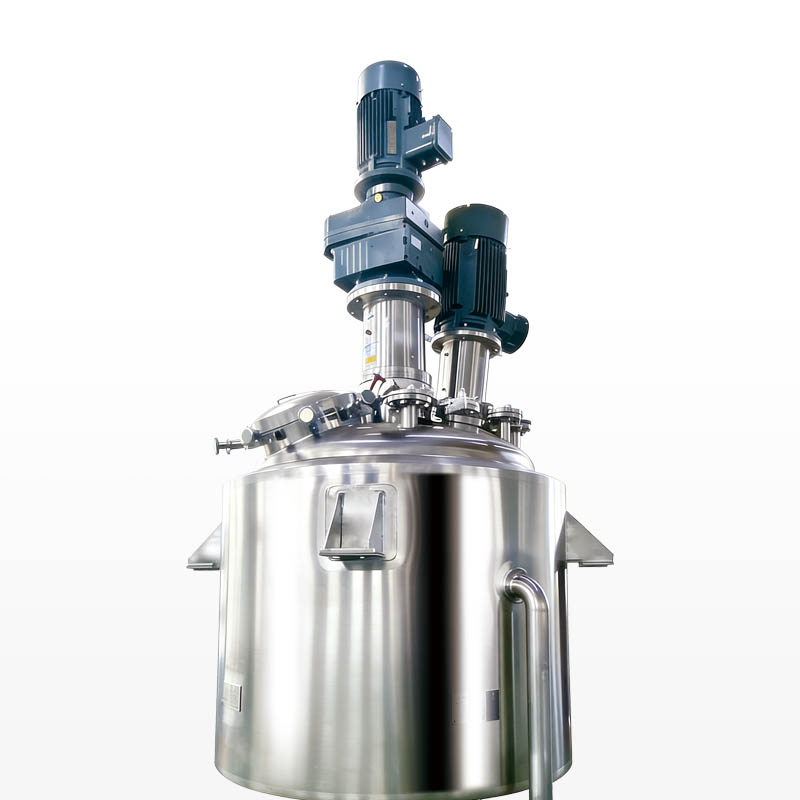
Common pitfalls buyers and engineers keep repeating
They buy to a price, not to process. They accept vendor data from idealized tests. They neglect spare parts and failover plans. They treat seals, bearings, and drive couplings as incidental. Avoid those errors: require test runs with your formulation, insist on third-party validation when droplet size or cell lysis matters, and budget for preventative replacements. A simple parts-list and a maintenance cadence save more than a cheaper initial quote.
Real-world anchor and practical authority
From decades of plant-level commissioning and from conversations at major trade gatherings such as CPhI Worldwide — where process engineers and equipment makers converge — the advantages and limits of inline homogenization become plain. Field experience shows that an inline homogenizer mixer often shortens batch cycles and tightens particle distributions in pharmaceutical and cosmetic lines, provided the user validates shear conditions against production viscosities. That reality reflects measured outcomes reported at industry sessions and in peer-reviewed trials: the device is a tool whose success depends on matched process knowledge, not on novelty alone.
Alternatives and selection logic
Inline homogenizers compete with rotor-stator benchwork, high-pressure homogenizers, and static mixers. Choose by the decisive variable: if droplet size and repeatability under continuous flow matter, inline devices win for footprint and control. If nano-emulsions or cell disruption at extreme pressures are required, high-pressure units may be better. Static mixers suit simple blending at low shear. Make selection a narrow equation: target performance, verify with your material, and require vendor-supplied performance curves at your operating point.
Synthesis: a quiet resolution
The evolution ends not in one perfect machine but in a clearer brief: specify what you must control, measure what you claim, and design for service. Engineers supply the proofs; buyers insist on them. That practical exchange produces steady, reproducible results — the technical poetry of systems that do what they promise. For those seeking equipment and documented outcomes, the technical lineage and available solutions point toward trusted manufacturers who publish data, stand behind service, and align design with plant reality, like the quietly reliable work found at FLUKO.