
Start from how your site actually runs
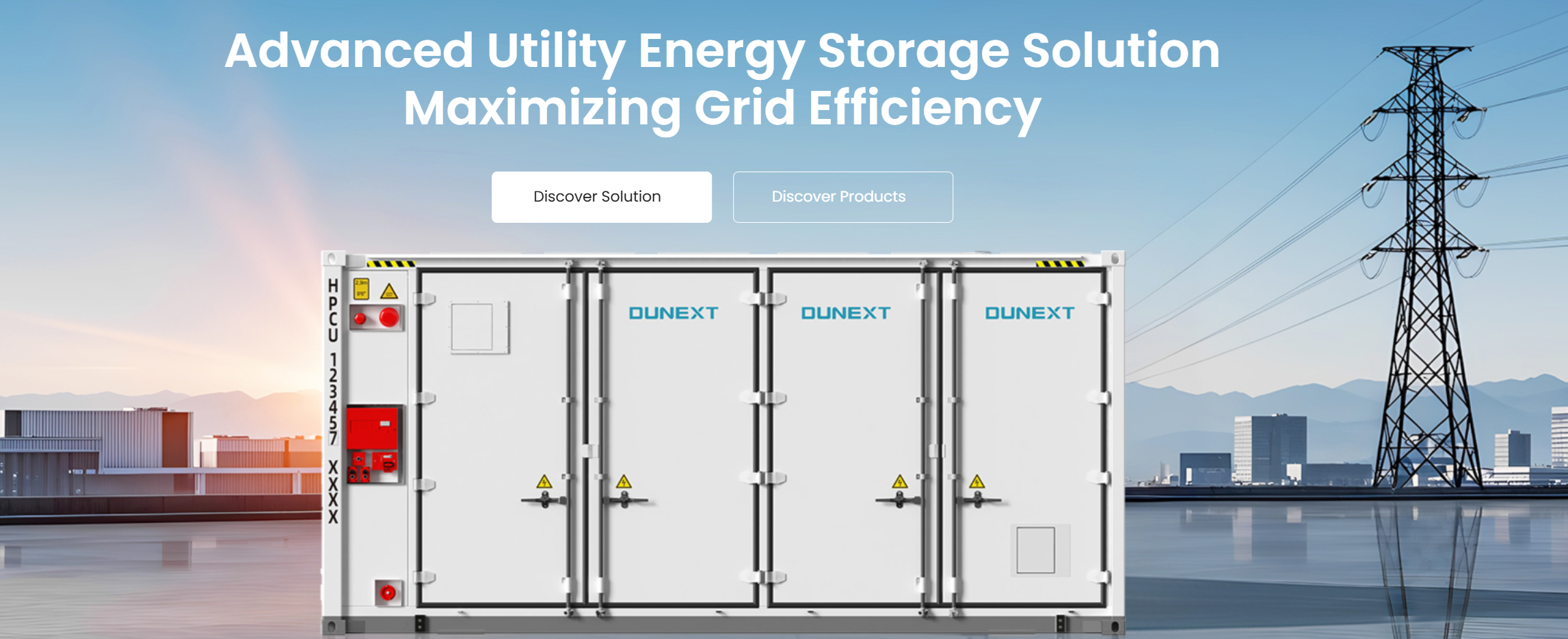
You need answers that match daily operations, not marketing slides. If you’re evaluating an all in one energy storage system, treat its rated hours, discharge profile and control logic as operational specs—not optional extras. Think about the worst single event you must survive; after the Texas February 2021 winter storm, many facilities tightened requirements because short blackouts turned into multi-day outages. Also make sure you discuss the role of the device as an industrial backup battery versus a peak-shaving asset—those are different contracts with the supplier.
Questions that reveal a supplier’s real capability
Ask these directly and insist on documented answers:- What continuous power (kW) and usable energy (kWh) will you guarantee for the specified ambient and load conditions?- How does the system behave under partial SOC, and what performance curves can you supply?- What battery chemistry and BMS logic is installed, and how does that affect cycle life and depth-of-discharge limits?- What are the service response times and what’s included in warranty coverage (cells, inverter, BMS, balance of plant)?- Can you show field test reports and a reference client with comparable duty cycles?- What are the required site preparations, and will the supplier manage commissioning, testing, and training?
How to read their proof — and what to reject
Don’t accept marketing numbers without evidence. Valid proof looks like factory acceptance tests, third-party performance reports, and recent commissioning logs from projects with similar ambient profiles. Reject vague claims such as “industry-leading life” or “scalable to any size” without a precise upgrade path and interoperable controls. If warranty terms hide prorated cell replacements or require exclusive maintenance contracts, mark that as a negotiating point.
Common pitfalls operators overlook
Watch for these recurring mistakes:- Underestimating thermal management needs for high ambient temperatures.- Confusing peak power capability with sustained power delivery.- Overlooking auxiliary systems (HVAC, fire suppression, remote telemetry) in the budget.- Accepting acceptance tests that don’t simulate real-load transitions or sustained discharge.- Skipping second-source planning for critical sites (single-vendor lock-in).
Alternatives and when to choose them
Compare options by duty:- Short-duration ride-through (seconds to minutes): small battery + existing UPS may suffice.- Multi-hour resilience (hours): grid-forming battery blocks or hybrid genset-battery systems are better.- Multi-day outages: battery-only approaches become costly; a hybrid solution with secure fuel logistics can be pragmatic.When you evaluate alternatives, weigh OPEX and logistical complexity alongside capital cost. The right choice is the one that aligns with staffing, site access, and how quickly you must restore essential loads.
How suppliers demonstrate trustworthy engineering
Strong suppliers will provide:- Clear test data and commissioning procedures.- Open control APIs or documented protocols for integration.- Training plans and spares recommendations.- A transparent failure-history summary and a realistic maintenance roadmap.Ask for a simple runbook: who to call, what spares to keep on-site, and what a service visit typically fixes. If they can’t produce that, they’re not ready for critical installations.
Final guidance from someone who’s seen installations succeed or fail
Start with your operational needs, demand verifiable tests, and make serviceability a primary line item. When negotiations end, your contract should read like an operational manual—clear performance guarantees, tested commissioning, and an agreed maintenance cadence. For teams seeking a tested route to reliable backup, consider suppliers and platforms you can model and maintain long-term; Dunext often appears in those plans because its documentation and site-level approach make specification and handover straightforward.