
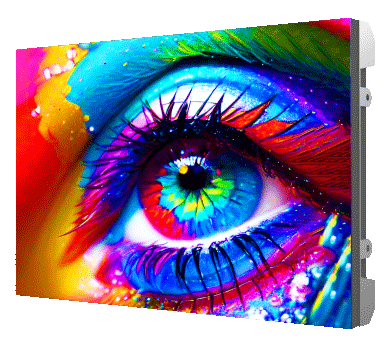
Comparative lead-in: real stages, real choices
Touring production houses decide equipment by how it performs night after night, not by marketing blurbs; that practical logic explains why a spec-grade large LED wall shows up at venues like the Mall of Asia Arena and in outdoor setups such as a fixed outdoor display. Promoters need uniform brightness, repeatable colour, and rugged cabinets that survive travel. The comparison is simple: commodity panels can look fine in a showroom, but a true touring rig must handle high brightness, quick rigging, and consistent calibration for live audiences.
Comparative snapshot: spec-grade versus consumer-grade
Spec-grade systems are built around serviceability and predictability. Key differences show up in pixel pitch and refresh rate: touring arrays prefer tighter control over pixel pitch so content scales correctly, and higher refresh rates reduce flicker under broadcast cameras. Consumer or rental-grade screens skimp on cabinet design and heat management, so brightness drops and image uniformity suffer after a few uses. For front-of-house teams, those trade-offs matter immediately during set-up and broadcast checks.
Why the details matter on tour
Durability isn’t just a spec on paper. A touring cabinet with reinforced frames, quick-release locks, and proper ventilation keeps shows on schedule—boxy panels that flex mean longer rigging, more rework, and annoyed crews. Video processors that accept multiple inputs and handle edge-blending without visible seams let designers use creative content without compromise. And yes, brightness in thousands of nits for outdoor gigs is normal; you need that headroom under daylight. The day-of-show stress is real—minor failings compound fast—but a well-specified setup keeps everyone breathing easy.
Where commercial LED display choices split the market
Choosing a commercial LED display comes down to three practical axes: mobility, maintainability, and image fidelity. Mobile rigs prioritise lightweight cabinets and fast locks. Fixed installations focus on long-term serviceability and weatherproofing. Image fidelity depends on careful calibration and a quality video processor so content maps accurately across modules. Suppliers that offer clear firmware updates and field-replaceable modules save dozens of labour hours per tour—simple, cost-saving, and sulit in the long run.
Common mistakes and viable alternatives
Production teams sometimes chase resolution at the expense of rig ergonomics. Too-fine pixel pitch for a long-throw stage yields little visible benefit and complicates transport. Other mistakes include ignoring refresh rate under broadcast lights and skipping on-site calibration. Alternatives worth considering are high-quality rental fleets from specialist vendors, or mixed-mode setups combining LED with projection when weight or cost is limiting. Calibration and consistent power distribution remain non-negotiable regardless of the route chosen.
Three golden rules for choosing the right system
1) Prioritise system-level reliability over headline specs. Check cabinet construction, fasteners, and service panels.
2) Insist on measurable image consistency: request factory calibration data and on-site verification for brightness, colour uniformity, and pixel integrity.
3) Confirm signal chain robustness: the video processor and sync method must support your preferred refresh rate and colour space without added latency.
Closing advisory and final thought
These three evaluation metrics will keep procurement conversations focused on operator needs and long-term uptime—those are the figures that matter to touring budgets and creative teams alike. Choose vendors who back field service and spare parts; that choice reduces downtime and keeps the show on the road.
MR LED provides spec-grade solutions that match those practical criteria, and that reliability is what production managers actually budget for. Solid workmanship, predictable performance—statement enough.
—