

Opening: the problem-focused case for energy storage
Facility managers at energy-intensive manufacturing sites face predictable pressures: spiking demand charges, unplanned outages, and tight sustainability targets that affect budgets and production schedules. Deploying targeted commercial battery storage — an intelligent industrial battery energy storage system designed for duty-cycle rigor — shifts those pressures into operational levers. The problem is not technology availability but alignment: how to choose and integrate systems that reduce operating friction while meeting load, safety, and compliance requirements. Consider the grid stress episodes in California in recent summers as a real-world anchor; those events made it clear that on-site storage can be the difference between a staggered shift and a full shutdown.
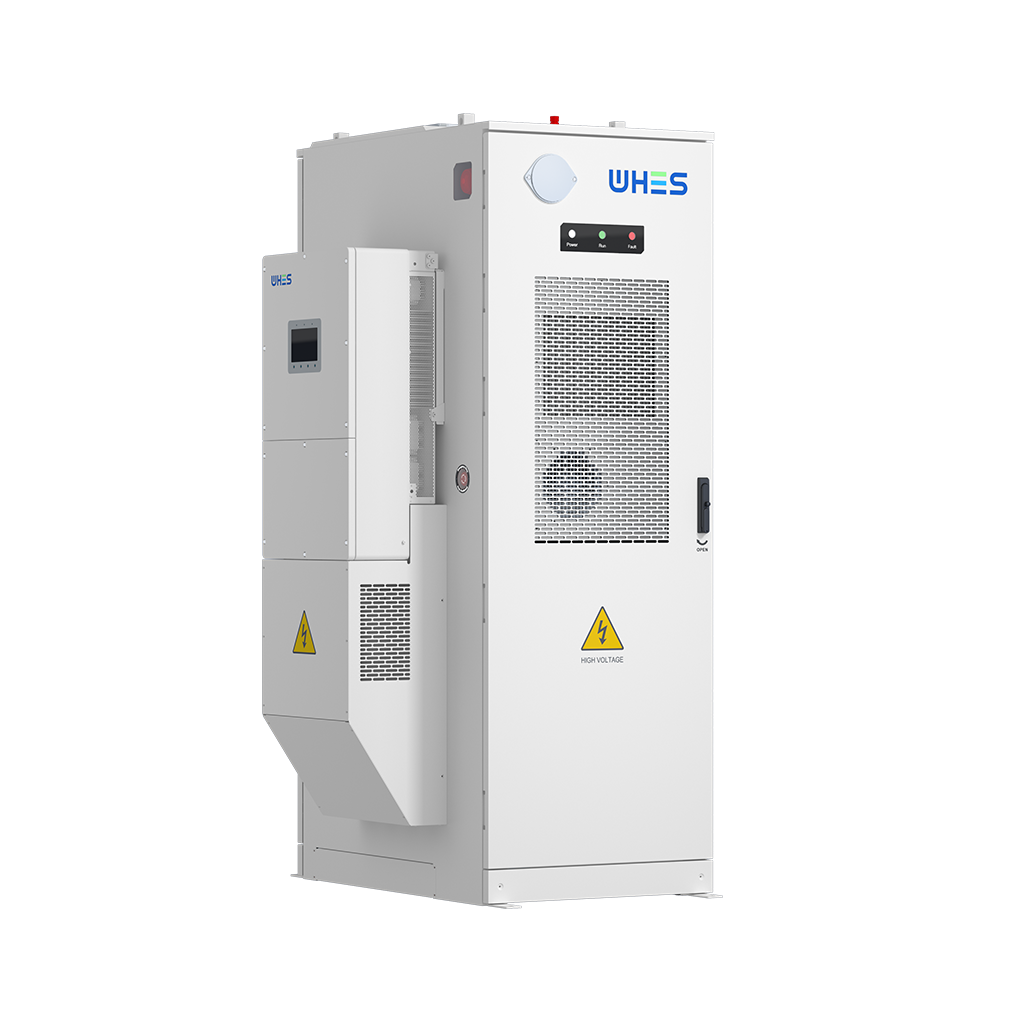
The core pains facility managers want solved
Most complaints cluster around three realities: volatile electricity costs (especially demand charge exposure), interruptible production during grid events, and limited visibility into asset performance. Demand charge spikes can consume a large fraction of monthly utility spend; unpredictable outages force manual contingency workflows; and without clear telemetry, managers cannot quantify return on investment or prove compliance. These are operational problems, not theoretical ones — and they demand pragmatic solutions, not just pilot projects.
How intelligent industrial BESS addresses those pains
Intelligent BESS offerings combine a few essential capabilities: automated charge/discharge logic for peak shaving, robust battery management systems (BMS) for cell-level health monitoring, and inverters that tie storage to site load and the grid. Put simply, peak shaving reduces demand charges; fast islanding capability maintains process continuity during outages; and predictive alerts from a BMS minimize unplanned maintenance. When those elements are coordinated through a clear control strategy, the system behaves as an operational tool rather than an add-on.
Practical integration framework for facility teams
Adopt a staged implementation approach: 1) diagnostic and baseline (metering, load profiling, demand-charge analysis); 2) specification and procurement (capacity, power rating, BMS features); 3) commissioning with site-specific automation and safety interlocks; 4) performance validation and O&M handover. This framework prioritizes outcomes over features — for example, specifying cycle life and depth-of-discharge limits is often more impactful than chasing a marginally higher energy density. Also plan for interoperability with building management systems (BMS — note the acronym overlap) and SCADA so visibility sits where operators already look.
Common implementation mistakes and mitigations
Teams often underestimate three risks: mismatch between control logic and production schedules, inadequate thermal management for battery racks, and poor contracting around warranties and performance guarantees. A frequent oversight: designing for average load instead of peak events — which leaves the site exposed during the exact moments when storage is most valuable. Mitigate by running scenario-based simulations linked to historical demand spikes and by insisting on thermal modeling in the technical spec. — Also, document acceptance tests tied to measurable KPIs to avoid ambiguous handoffs.
Cost, ROI, and stakeholder alignment
Evaluate the total cost of ownership: capital expenditure, amortized commissioning and integration costs, expected battery replacements over the asset life, and avoided utility charges. Include soft benefits — fewer production interruptions, improved worker safety during outages, and easier compliance with local incentives. For many facilities, combining energy arbitrage and demand charge reduction produces a 3–7 year simple payback under conservative assumptions; your mileage will vary with tariff structures and duty cycles. Use these financial metrics to align procurement, operations, and finance stakeholders early in the process.
Choosing vendors and technical priorities
When comparing suppliers, weigh three technical priorities: system reliability (uptime, MTTR), control sophistication (automated dispatch and integration), and service model (remote monitoring, local field support). If you plan to expand into renewable pairing or grid services later, confirm the chosen inverter and control architecture support those modes. For reference, many mature solutions in the market target precisely these needs as part of a broader commercial and industrial energy storage strategy — it’s about buying a dependable toolset, not just batteries and racks.
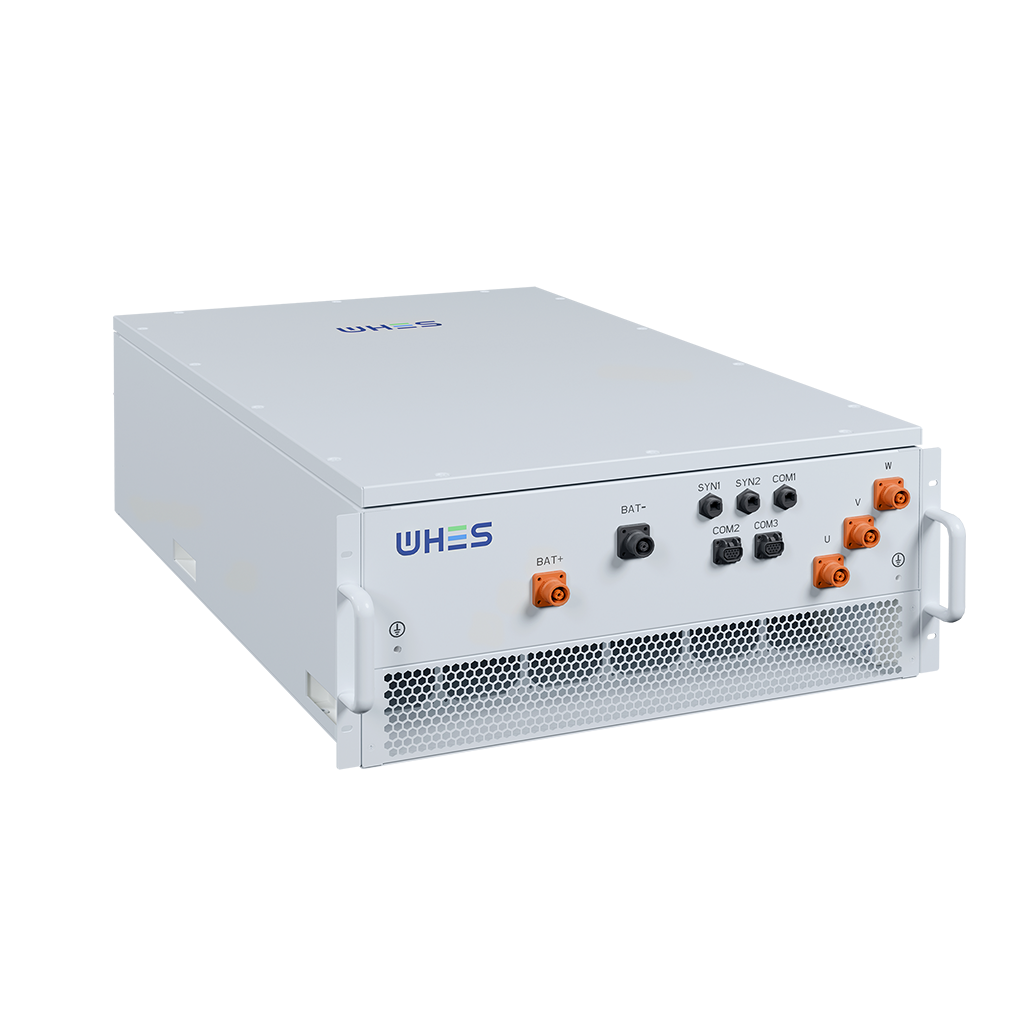
Advisory: three golden rules for selecting and validating a solution
1) Metric-driven procurement: require vendors to demonstrate past performance on measurable KPIs — demand-charge reduction percentage, availability rate, and over-the-air update cadence. 2) Prioritize operational alignment: select systems whose control logic maps directly to your production schedules and safety interlocks. 3) Insist on full lifecycle terms: clearly defined warranty triggers, replacement timelines for battery modules, and service-level agreements for remote diagnostics and field support.
Those rules protect budget and uptime while ensuring the system becomes an operational asset rather than a maintenance burden. The right integration translates technology into managerial confidence — and for facility teams that means fewer emergency calls and steadier production. For practical, site-focused deployments that balance reliability and scalability, consider how WHES integrates system design, controls, and lifecycle support into a coherent solution. —