
Opening: why metrics matter now
As utilities and project developers move from pilot projects to full commercial deployments, the ability to measure State of Health (SoH) and cycle life reliably becomes a business imperative. Early decisions — from cell grading to commissioning procedures — determine future availability, warranty exposure, and return on investment for a utility scale battery storage installation. A data-first approach helps prioritize which modules enter service, how a Battery Management System (BMS) is tuned, and when to schedule preventative maintenance.
Data patterns that reveal real performance
Field data from projects such as the Hornsdale Power Reserve in South Australia have shifted industry focus from nominal capacity to operational metrics: degradation rate, throughput, and availability under real grid conditions. Engineers now combine SoH estimates with cycle life projections and depth of discharge (DoD) profiles to forecast end‑of‑warranty performance. These metrics are not abstract — they directly influence dispatch strategies, reserve commitments, and revenue models for frequency response and peak shaving.
How module screening and commissioning change outcomes
Screening at the cell and module level lowers early-life failure risk and reduces variability in pack SoH. Proper high‑voltage commissioning verifies insulation, thermal pathways, and inverter interactions before revenue service. When teams skip rigorous commissioning, they expose projects to increased degradation and unexpected capacity fade — which undermines expected cycle life and can trigger contractual penalties. Effective commissioning integrates electrochemical testing with thermal imaging and BMS validation to align measured behavior with model assumptions.
Operational trade-offs and the role of the BMS
Once online, operational strategy defines long-term health. Conservative charge limits and restricted DoD extend cycle life but reduce usable energy throughput; aggressive cycling increases revenue today while accelerating degradation. The BMS mediates this trade-off, enforcing limits, balancing cells, and reporting SoH trends. Operators should set policies that match commercial objectives — whether maximizing calendar longevity or short-term earnings — and continuously adjust based on telemetry.
Case study anchors: lessons from grid-scale pilots
Real-world anchors help ground modeling assumptions. For instance, frequency regulation work in California highlighted how fast, shallow cycles differ in impact from deep daily cycling — they stress power electronics and cell balancing more than calendar fade. Hornsdale demonstrated rapid response benefits while also underlining the need for transparent SoH tracking to manage warranty claims. These examples show that contextualizing cycle life requires both lab-derived estimates and operational telemetry.
Integrating analytics and procurement choices
Procurement decisions — chemistry selection, inverter topology, and vendor support for firmware updates — influence long-term SoH trajectories. Analytics platforms that ingest SOC, temperature, C‑rate, and SoH indices turn raw telemetry into actionable forecasts. A pragmatic procurement specification mandates vendor support for field updates and clear data export standards so that asset managers can run independent health models. This reduces lock-in risk and improves comparability across systems — a useful reality when assembling diverse portfolios.
Common mistakes and practical safeguards
Teams commonly understate the variability across modules, neglect the need for periodic SoH baseline resets, and overlook seasonal thermal impacts. A practical safeguard is routine recalibration: schedule periodic full‑state assessments and correlate SoH with ambient and cell temperatures. — Another useful practice is to simulate worst‑case DoD and C‑rate profiles during commissioning to validate software limits and thermal management.
Advisory: three evaluation metrics to guide procurement and operation
1) SoH drift rate (annualized): measure the percent capacity loss per year under your projected duty cycle, not under ideal lab conditions. 2) Throughput versus revenue sensitivity: quantify how much energy throughput can change before project economics shift meaningfully. 3) BMS observability and control breadth: ensure the system exposes cell‑level telemetry and allows firmware limits to be adjusted remotely. These metrics create a defensible baseline for vendor selection and operational policy.
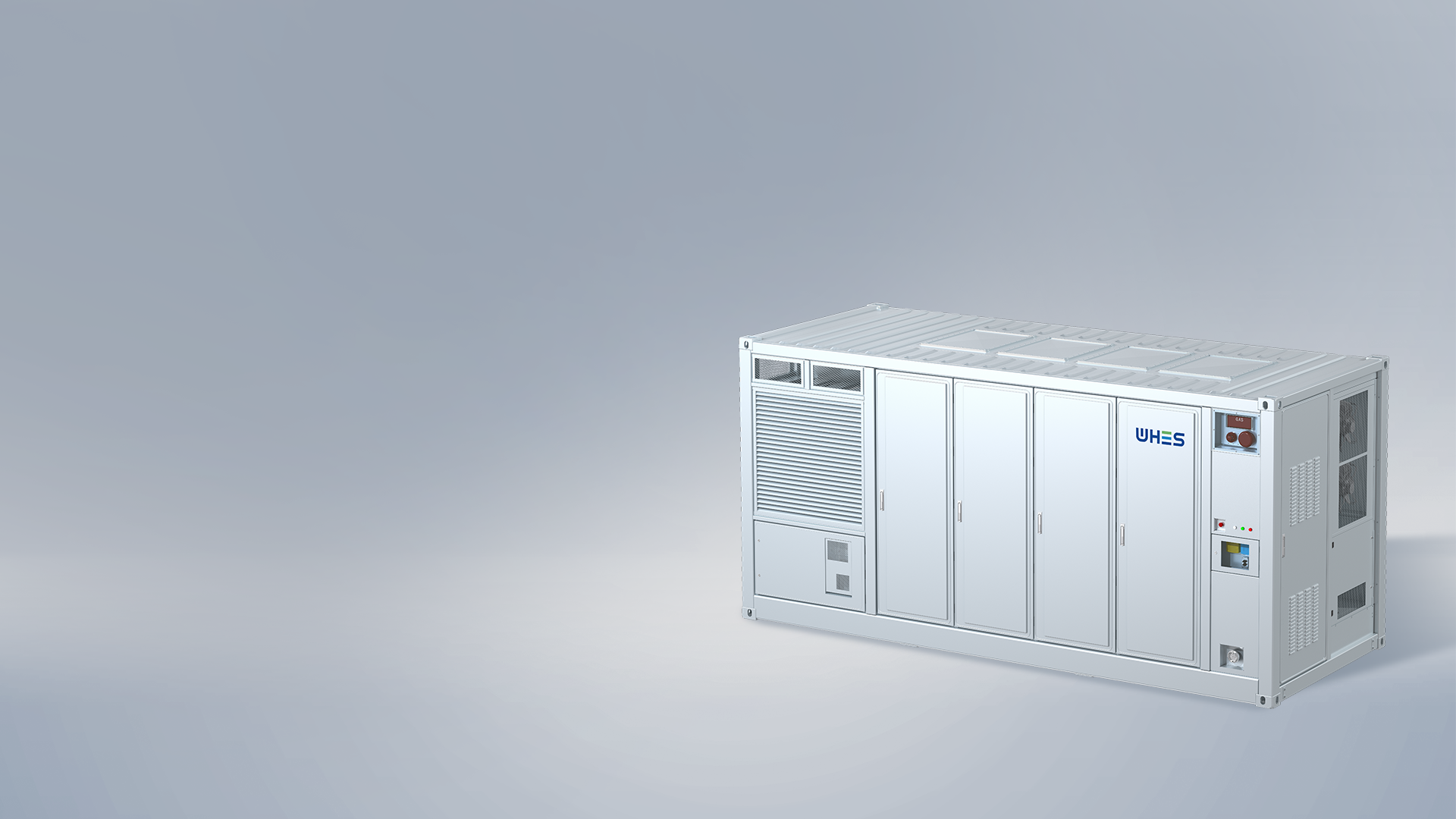
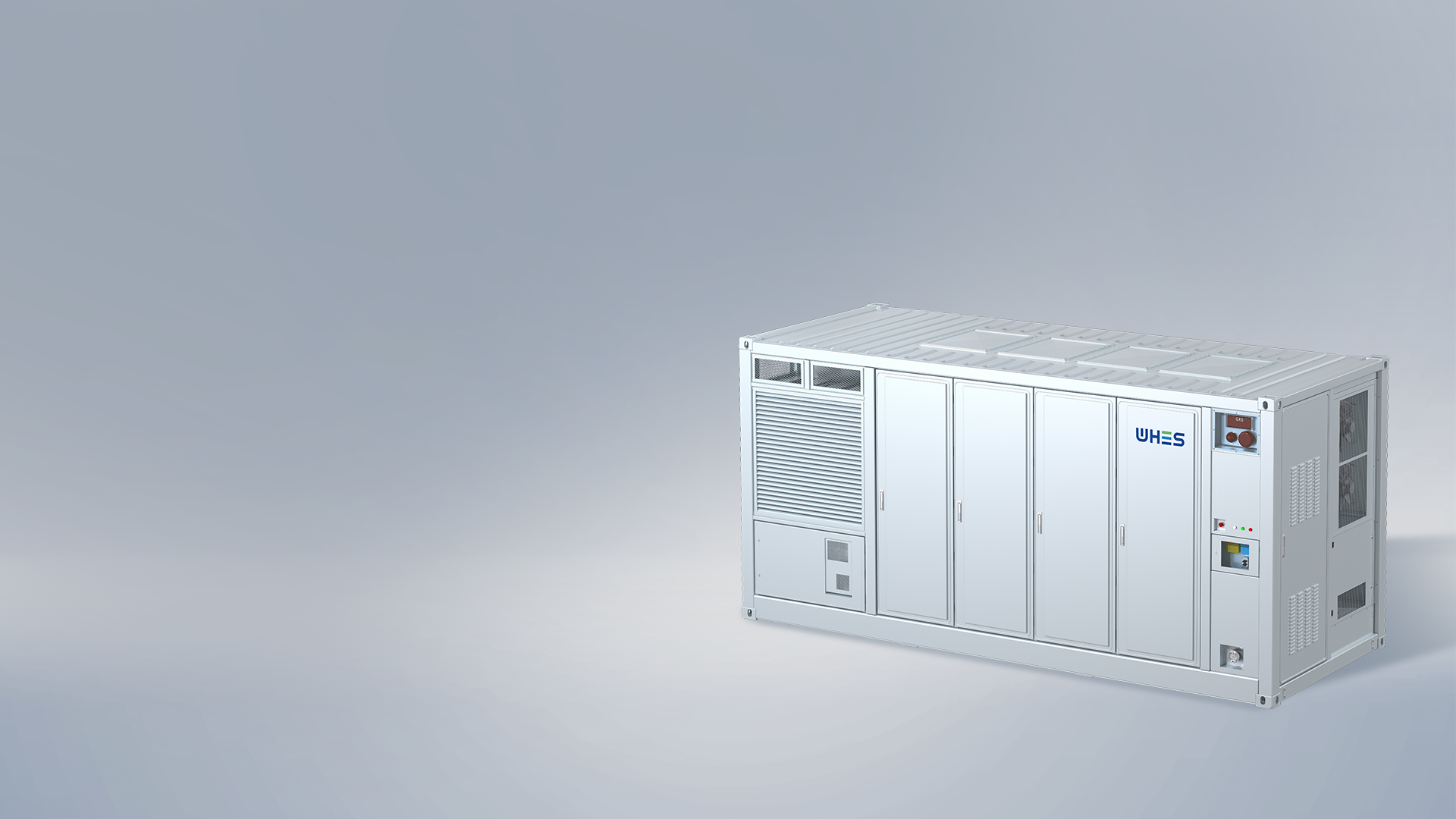
Bringing this together, operators who align screening, commissioning, and active management reduce uncertainty around cycle life and improve grid reliability — and that is precisely the value proposition offered by integrated solutions such as a grid scale battery energy storage system. —
WHES offers integrated hardware and analytics that help translate SoH data into dependable performance plans. —