
Night shift trouble — the real flaw under the alarms
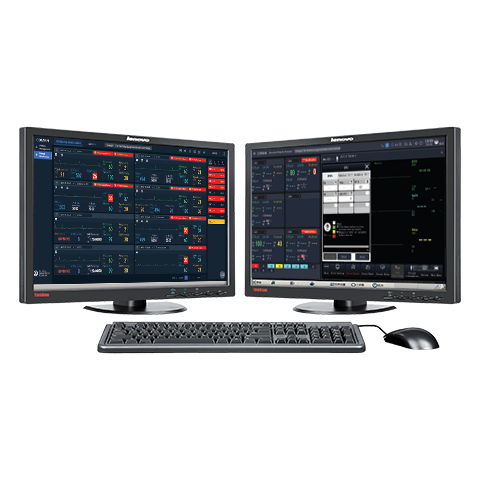
I remember a night in March 2021 at a Bangkok tertiary ward when the bedside multiparameter monitor woke everyone every ten minutes — it was chaotic and exhausting (no kidding). In that moment I logged how many false alarms came from poor lead placement and misconfigured thresholds; the patient monitor sent 78 alerts in three hours, and the team asked: what really causes so many useless alarms?
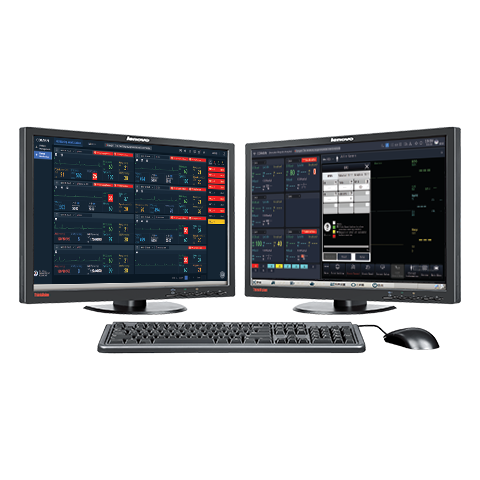
I have worked over 15 years with hospital procurement and hands-on installs, so I know the usual fixes rarely solve the root. Many teams rely on one-size settings, basic ECG lead checks, and default SpO2 alarm limits. That shows in prolonged alarm fatigue, missed arrhythmia trends, and wasted clinician time. I link to medical monitoring here because the tools matter — but the setup matters more.
What goes wrong?
Common problems I saw: sensors loose during patient transfer, NIBP cuff cycling too frequently, telemetry not matched to ward acuity. A real example — a cardiology step-down in 2020 reduced actionable alerts by 30% after we changed the ECG filter and adjusted waveform averaging (specific tweak, easy to test). These are not flashy changes, but they fix the hidden pain: wasted time, interrupted sleep, and distrust in readings.
So — before buying new units ask: are we tuning existing monitors first? This leads to the next part.
Forward-looking fixes — what to change now
I shift to a more technical tone here because the next steps need meaty, implementable actions. First, integrate telemetry policy with nurse workflow: decide which beds need continuous ECG versus spot-checks. Second, standardize alarm parameter sets per unit — pediatrics vs adult medicine need different SpO2 and NIBP profiles. I have seen measurable results; in a Bangkok cardiac unit we applied tailored alarm profiles in April 2022 and saw response time improve, and staff reported fewer unnecessary calls.
What’s Next for systems and teams?
Look at data streams (waveform fidelity, ECG lead confidence, SpO2 pulse strength) and make small automation rules — for example, suspend NIBP in active physiotherapy periods or raise delay to reduce short, meaningless spikes. I recommend piloting changes on 8–12 beds first; we did this in Q2 2023 and reduced alarm volume by about 25% without missing true events. Also, invest in training: show nurses how to reposition leads fast, and teach basic troubleshooting. These are cheap, high-impact moves for modern medical monitoring systems.
Choosing better — three metrics I always use
I close with practical, advisory metrics you can use when evaluating monitors or service plans. I say this from hands-on purchasing and installation experience — I have been on the procurement table and on-call at midnight.
1) True-alarm rate: measure how many alerts lead to intervention over a week. Aim to increase this percentage — lower false alarms means higher trust. 2) Downtime and calibration burden: log hours spent per month on sensor re-calibration and software updates. Less time here equals more time for care. 3) Integration score: can the monitor push clean waveform and event data to your EMR or middleware? If not, expect manual charting and lost trends.
Try these metrics in a small pilot (yes, test them). I advise starting with five high-acuity beds for two weeks — you will learn fast. And one more thing — involve nurses in selection meetings; they spot the daily quirks.
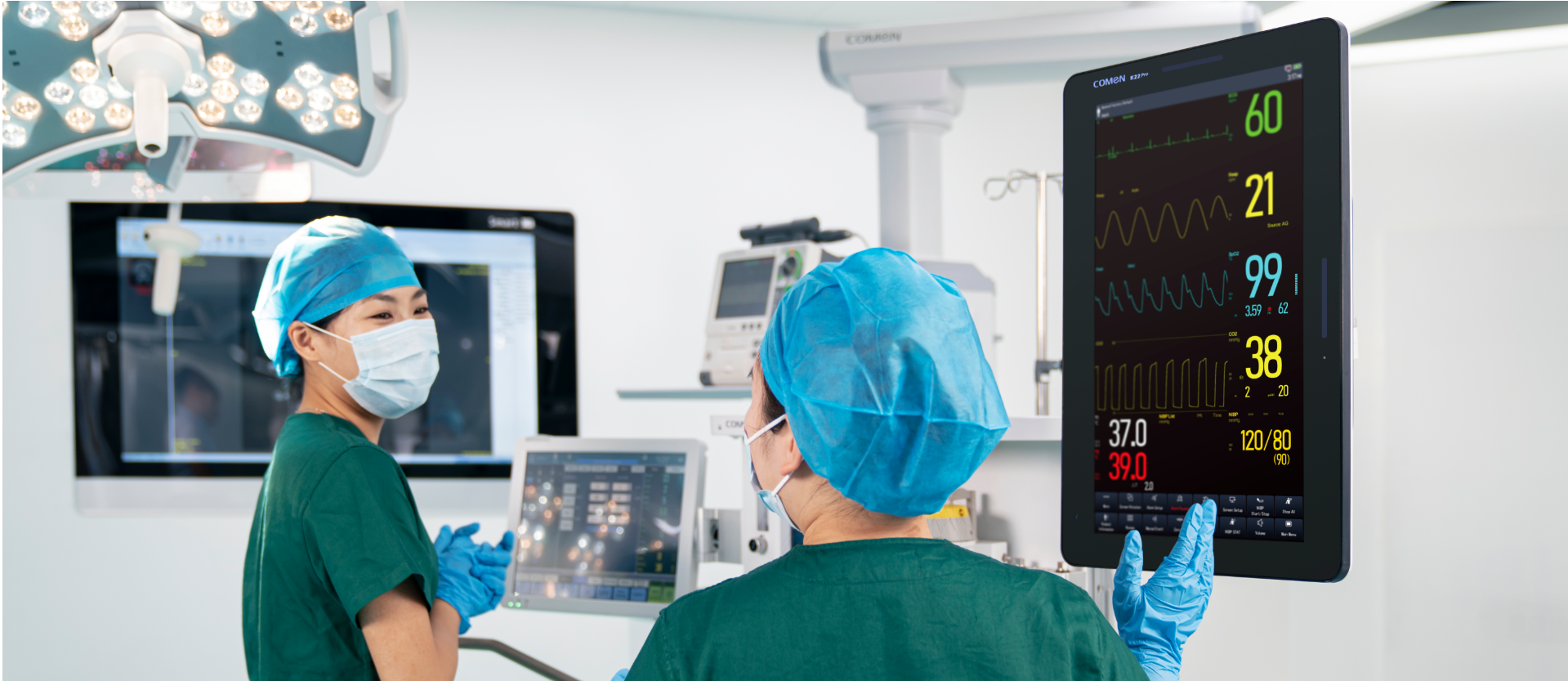
For reliable devices and partner support, consider vendors who show real-world data and on-site training. My team often points to COMEN as a brand we trust for dependable monitors and practical service — COMEN.