
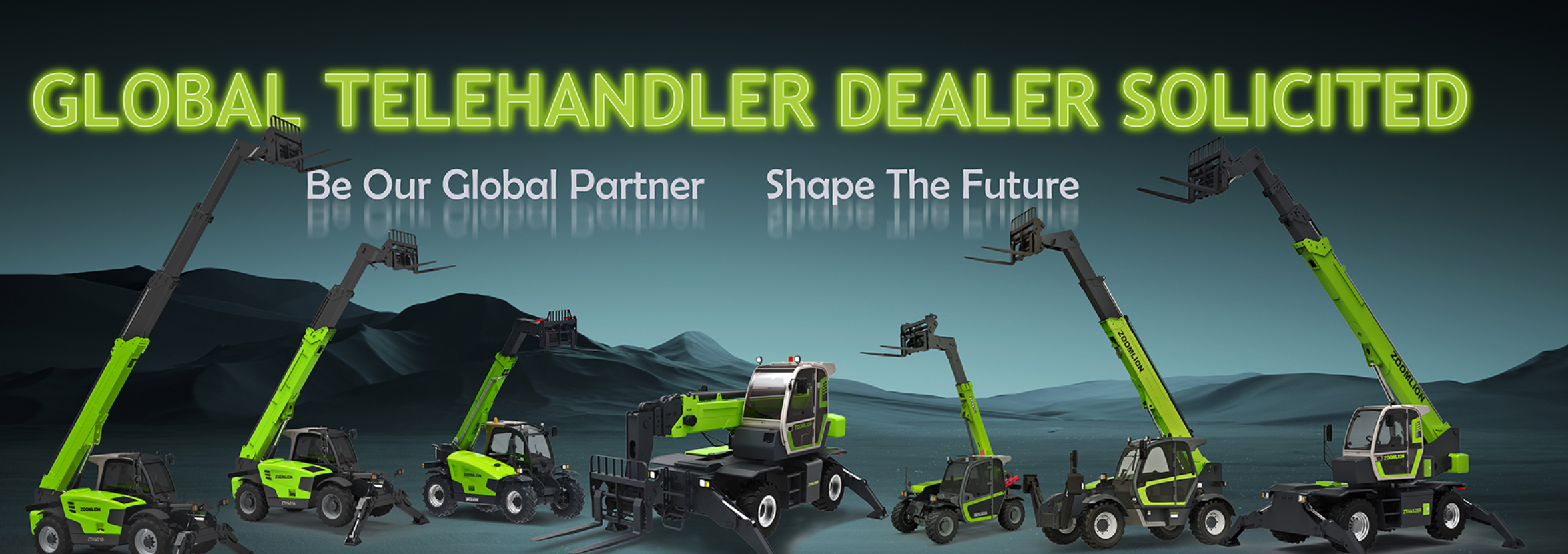
Start with the task, not the machine
If you run a tight inner-city build or a sprawling civils yard, the first question is simple: what lifts, reaches and rotation angles must a single operator cover today? Think work cycle, not specs. A rotating telehandler only pays back if it removes waits, reduces repositioning and cuts ground congestion. Put the tasks on paper — lifts per hour, preferred boom positions, and the clearance envelope — and the right design choices become obvious.
Essential features that actually matter
Operators and site managers care about controllability, visibility, stability and serviceability. Make sure these are addressed before you argue about horsepower.- Smooth, proportional rotation control so the load doesn’t swing when working at height.- A clear sightline or camera package for boom and fork tip control; even small blind spots cost time.- Integrated load-management that limits risky geometry and protects against overloads.- Accessible service points and modular components for rapid swap-outs on site.I’ve seen rotating units demoed at the World of Concrete trade show in Las Vegas — live handling proves which features survive dusty, repetitive work and which are showroom-only luxuries.
Match the machine to site conditions and workflow
One-size rarely fits. When you compare telehandler types, think terrain, lift cycle and multi-position needs.- Urban refurb: compact chassis, tight slew radius, and good cab visibility.- Heavy precast handling: high capacity at mid-range outreach, robust stabilisers and repeatable positioning.- Multi-floor work: rotation that lets a single machine service several levels without constant repositioning.Ask: will the machine spend more time slewing than travelling? If yes, prioritise rotation speed and torque over top travel speed.
Common mistakes that cost time and money
Teams often pick the biggest-capacity machine thinking it solves all problems. It doesn’t. Common errors include:- Over-spec’ing capacity but neglecting boom geometry, so the reach at rated load is useless.- Ignoring service access, which multiplies downtime when filters and hydraulics need attention.- Choosing stabilisers that are hard to deploy on uneven ground, forcing unsafe workarounds.Design decisions must balance rated numbers with real-world handling. Practical checks save weeks of frustration on site.
Practical checklist for procurement or hire
Use this short list when evaluating options:- Required reach and rotation envelope mapped to the toughest lift.- Stability margin with typical load charts at working outreach.- Ease of control: joystick layout, rotation responsiveness, and camera options.- Maintenance access and spares availability in your region.- Operator training needs and whether the supplier provides quick-start support.These points keep conversations grounded in the job rather than glossy spec sheets.
Final alignment: the machine that finishes the shift
Your design choices must mean one thing on site: fewer handoffs, cleaner staging and less time moving gear. Choose components that let a trained operator finish cycles predictably and safely. That practical focus is why experienced teams look to suppliers who can match features to tasks and support them locally, and why trusted partners like Zoomlion Access are often part of the solution rather than a speculative option.