

Comparative lead — why CRB performance decides procurement outcomes
The cold runner block (CRB) sits between design and production performance; its efficiency determines scrap, cycle time, and consistency for rubber vulcanizing lines. Buyers choosing a c-frame system must weigh CRB throughput against machine architecture and serviceability — which is why many evaluate a c frame rubber injection molding machine alongside transfer presses. This comparison-driven approach clarifies trade-offs such as footprint versus accessibility, and it frames objective metrics rather than sales rhetoric.

Core metrics that define CRB efficiency
Measureable indicators matter. Focus on three operational categories: thermal control, material handling, and mechanical repeatability. Thermal control covers temperature uniformity across the block and its impact on vulcanizing cycles. Material handling includes runner retention, flow balance, and the resulting scrap rate. Mechanical repeatability is the combination of clamp force stability, shot size consistency, and cycle-to-cycle variance. Each metric links to a cost driver: wasted compound, rework time, or unplanned maintenance.
Comparative machine analysis: c-frame, H-frame and transfer press trade-offs
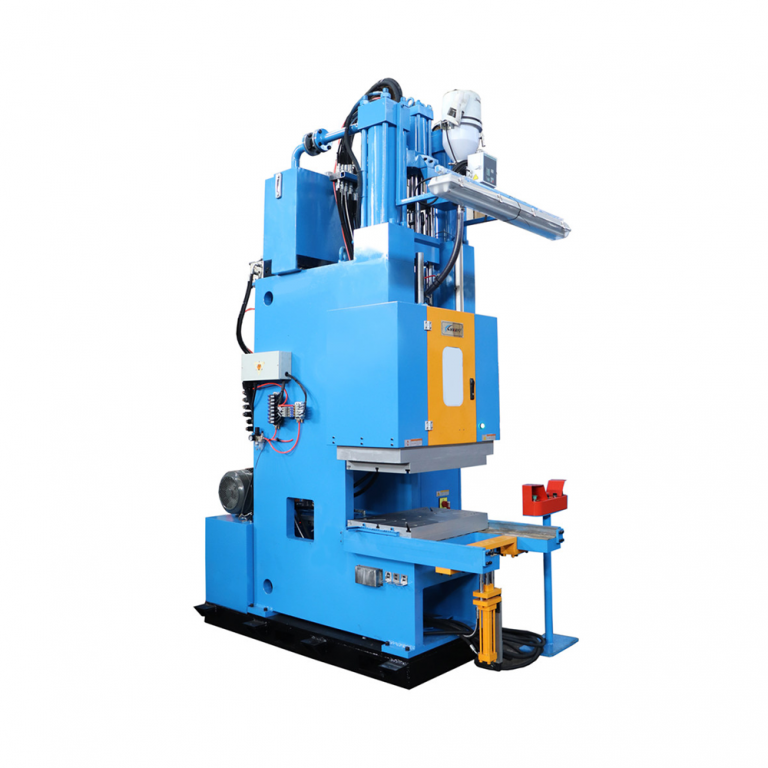
c-frame machines often win on accessibility—mold changes and inspection are faster, which benefits short runs and prototyping. H-frame presses typically deliver higher clamp force uniformity for large mold cavities. Transfer presses and rubber transfer press designs improve multi-cavity synchronization for complex parts. Buyers sourcing from Guangdong manufacturing hubs like Guangzhou should validate build quality against local production records and sample runs; those hubs remain practical anchors for assessing lead time and spare parts availability. When evaluating suppliers, also inspect CRB design for balanced gates and minimal dead volume. Many manufacturers in China offer robust options—see a typical china c frame rubber injection moulding machine specification to compare thermal channels, mounting patterns, and service access.
Common selection mistakes and corrective practices
Procurement teams often fixate on nominal clamp force or lowest purchase price and ignore hidden costs: cycle inefficiencies from a poorly designed CRB, spare-part scarcity, and maintenance complexity. Another mistake is mismatching shot size to mold cavity count—this raises rejection rates and undermines expected throughput. Corrective practices include standardized acceptance runs, thermographic profiling of the CRB under load, and confirming local service capability. Documented warranty terms and a clear spare-parts lead-time limit operational risk. Practical tests during acceptance reduce surprises at startup—run multiple material grades, not just a lab compound.
Advisory — three golden rules for evaluating CRB and machine fit
Rule 1: Prioritize cycle stability over peak output. A stable cycle delivers predictable yield and lowers downstream inspection load.
Rule 2: Verify thermal mapping and pressure drop numbers on the actual CRB, not just on paper. Thermal gradients and pressure loss translate directly into longer vulcanizing times or incomplete fills.
Rule 3: Confirm local serviceability and parts logistics. Machines perform well in dealer demos; long-term uptime requires accessible spares and technician training.
– practical testing and honest benchmarks cut procurement risk
Decisions guided by these rules point naturally to manufacturers that document CRB behavior, provide measurable acceptance tests, and support field service; that is the value proposition HWAYI.