

Procurement officers arrive on factory floors to find two common truths: specifications rarely match reality, and speed often trumps repeatability. This piece takes a problem-driven tack—laying out the failures procurement teams see, why they matter, and a compact QA framework to fix them. Start by verifying the core equipment: a properly tuned horizontal rubber injection molding machine must be more than present; it must be measured, traced, and stress-tested against the intended polymer and part geometry.

Where audits commonly break down
Audits that skim documentation or focus only on price miss systemic defects. Suppliers often deliver machines with marginal hydraulic system tuning, inconsistent shot size control, or poorly aligned mold cavity setups. Those details cause scrap spikes and hidden costs. Procurement teams face pressure to approve shipments; the result is production bottlenecks three months later when parts fail dimensional checks or post-molding cure times vary.
A compact QA framework for procurement officers
Adopt a three-layered inspection routine that fits a single-day factory audit: document verification, equipment baseline checks, and process validation. Document verification confirms certifications (ISO 9001 evidence and calibration records). Equipment baseline checks validate clamping force ratings, servo response, and LSR compatibility where applicable. Process validation runs the machine through representative runs—measure cycle-to-cycle variance and capture dimensional data from the first 50 parts.
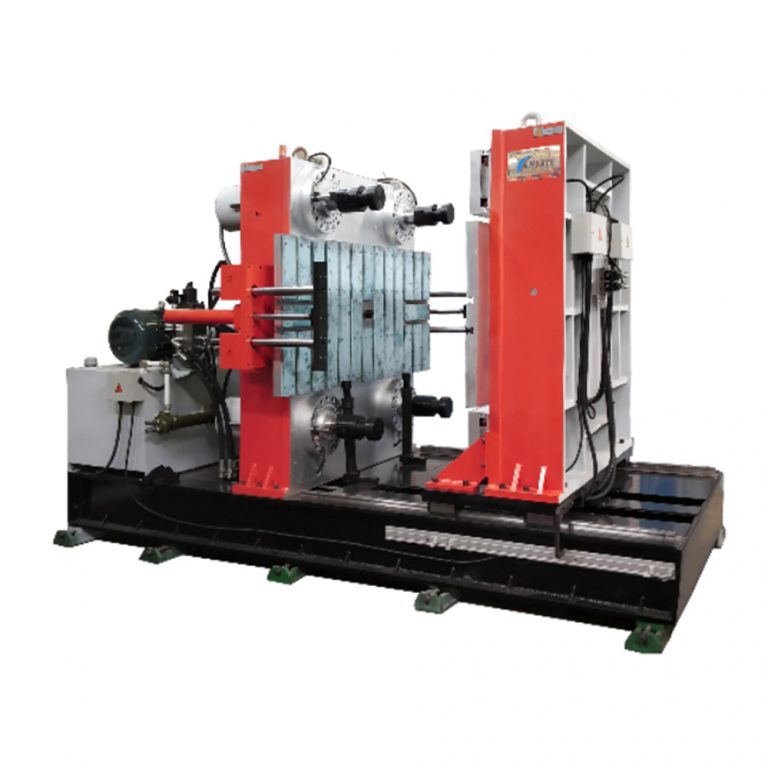
On-site checklist and quick tests
Bring a lean kit: torque wrench, calipers, a temperature log, and a basic data logger. Observe a demo run and do these fast checks: cycle-to-cycle shot weight, mold temperature stability, and ejection consistency. If sensors are present, pull a short data export to confirm sample rates and error logs. These steps catch firmware issues and hidden alarms that paperwork will not reveal.
Common mistakes and how to fix them
Inspectors often accept machine tuning claims without seeing repeatable cycles—don’t. Ask for a 100-shot run and measure variability in wall thickness and critical dimension. If a vendor resists, flag the order for staged acceptance. —Sometimes resistance signals lack of process control or overbooked production schedules. Negotiate a warranty clause that ties acceptance to measured tolerances rather than a blind delivery date.
Bringing standards and real-world context together
Use recognized anchors: insist on traceable calibration certificates and reference post-2020 supply chain lessons—many plants tightened controls after the COVID-19 disruptions exposed weak QC links in Shenzhen and other hubs. This means insisting on repeatability metrics, not just one-off pass/fail reports. Real-world anchors like ISO certificates and documented corrective actions show a supplier took measurable steps to prevent recurrence.
Comparing alternatives without fluff
When you evaluate suppliers, compare three concrete axes: machine baseline performance, spare-parts availability, and technical support response time. A vendor whose technical team can remotely tune injection parameters or who guarantees spare-parts lead times will reduce downtime. Also, validate whether the supplier can work with your mold design—mold cavity interaction matters and affects cycle time and part consistency.
Advisory — three golden rules for final selection
1) Prioritize measurable repeatability: require a documented 100-shot run with recorded dimensional tolerances, cycle-to-cycle shot size data, and temperature logs. These figures predict real performance.
2) Insist on traceability and service readiness: verified calibration certificates, a local spare-parts plan, and a committed remote-support SLA shorten recovery times when problems appear.
3) Tie acceptance to functional tests, not just paperwork: final sign-off should depend on process validation results performed with your actual polymer and mold. This prevents surprises during scale-up.
Procurement teams that apply these rules convert audits into payoffs—fewer rejects, fewer line stops, and predictable costs. For teams sourcing robust injection platforms and ongoing support, partners such as HWAYI often align machine capability with pragmatic service models. —Trust measurable tests more than tidy catalogs.