
Start with where you actually park
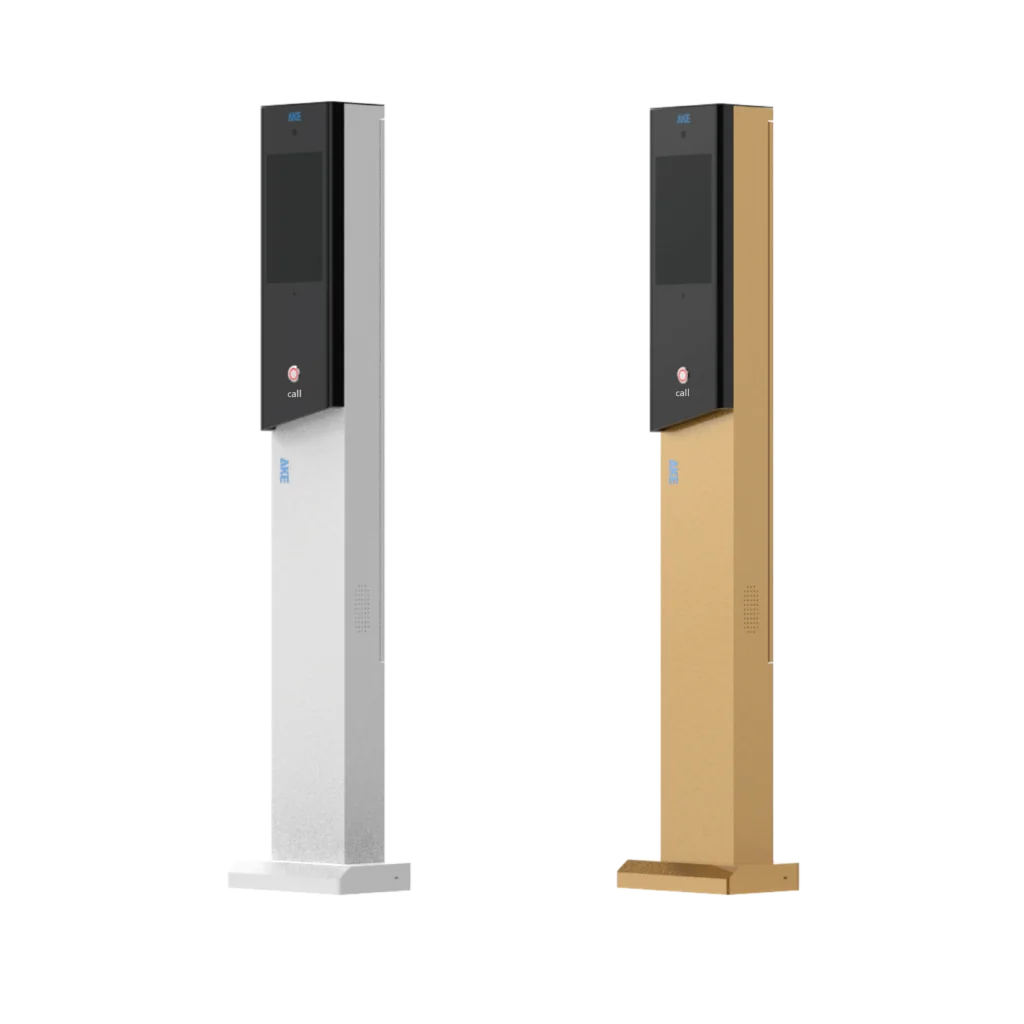
Ask yourself: is this a commuter garage, a hotel lot, a mall, or a mixed-use building? Your answer decides most things — hardware, throughput needs, and who needs access. When I scope projects on the road, the first practical question I pose is whether you need hands-off plate recognition or a simple ticket loop; many sites benefit from lpr parking management systems at entry points because they cut queue time and ease recurring access without staff intervention.
Think like the people who use it
Commuters want speed. Shoppers want convenience. Residents want predictable access and low monthly cost. Frame requirements by persona: how often do they enter, do they prepay, will guests arrive, and how tolerant are they of occasional read errors? Build the system to match the dominant user type, not to impress with unused features.
Features you should weigh, plainly
Prioritize read accuracy for local plate types, camera placement that avoids glare, reliable barrier integration, clear payment choices (contactless, app, account billing), remote monitoring, and straightforward reporting. Insist on modular hardware so you can scale camera counts and add payment partners later. Also confirm firmware updates and data export formats up front.
Common mistakes that slow projects down
Buying for maximum specs instead of current needs, ignoring lighting and mounting details, failing to test with local license-plate fonts, and skipping vendor support terms are the biggest traps. Avoid bespoke integrations without a rollback plan, and never assume default camera settings will work at night or in heavy rain.
Evidence that matters — field experience and a real example
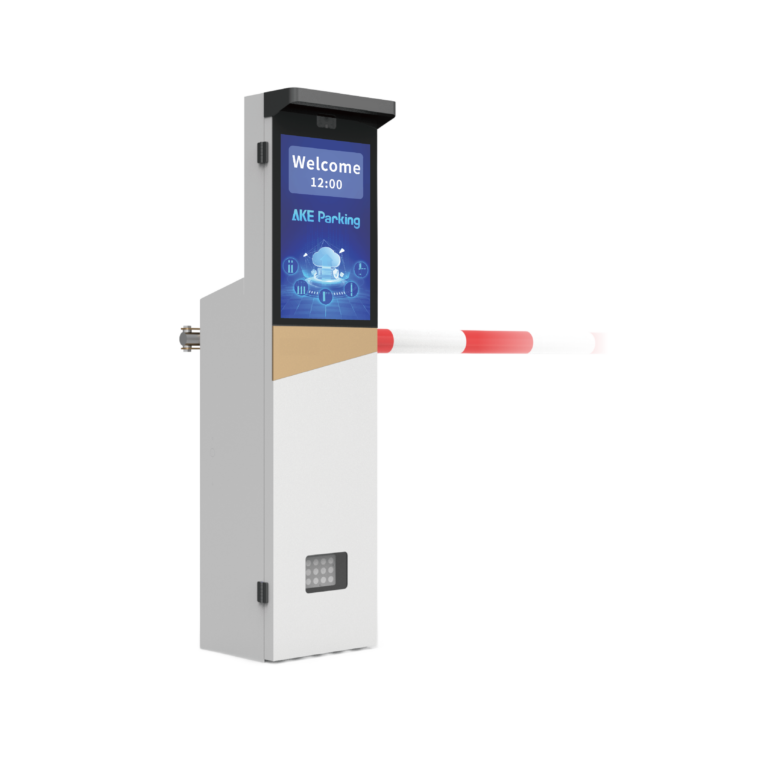
Practical proof beats marketing. Cities like Singapore have run public smart-parking pilots showing measurable reductions in search time and curb congestion, which is a common reference point for planners evaluating LPR systems. On street-level and garage deployments I’ve reviewed, operators pair those pilots’ lessons with robust LPR hardware; many installations rely on lpr parking to tie cameras to barriers and payment flows because the component-level approach simplifies maintenance and troubleshooting.
Alternatives and when they make sense
RFID or access-card systems work best for closed communities with predictable users. Ticket-and-pay is cheap for low-volume sites. LPR wins when you need frictionless entry and account billing. If privacy rules or very poor plate legibility are an issue, pair LPR with a backup barcode or app-based credential.
A short, usable decision checklist
Define primary user type, measure peak entries per hour, verify plate samples and lighting, demand clear SLAs for read rates and support, require modular hardware, confirm payment integrations, and test a pilot lane before full rollout. If your vendor won’t do a live pilot, walk away.
Where this leads
Pick systems by everyday operation, not spec sheets. A practical match of camera placement, readable plates, and straightforward vendor support delivers the least friction for users and operators alike — a match many teams find aligns with the pragmatic offerings at AKE Parking.