

Why standard fixes for commercial solar energy fall short
I once climbed a dusty rooftop in Austin and watched 300 kW of panels gleam under a noon sun—then realized the array was set up like a display model, not a business asset. After a March 2019 install of commercial solar energy, that 300 kW C&I Solar rooftop produced 420,000 kWh in year one—could smarter inverter and string sizing have cut demand charges by 18%? (Spoiler: yes.)
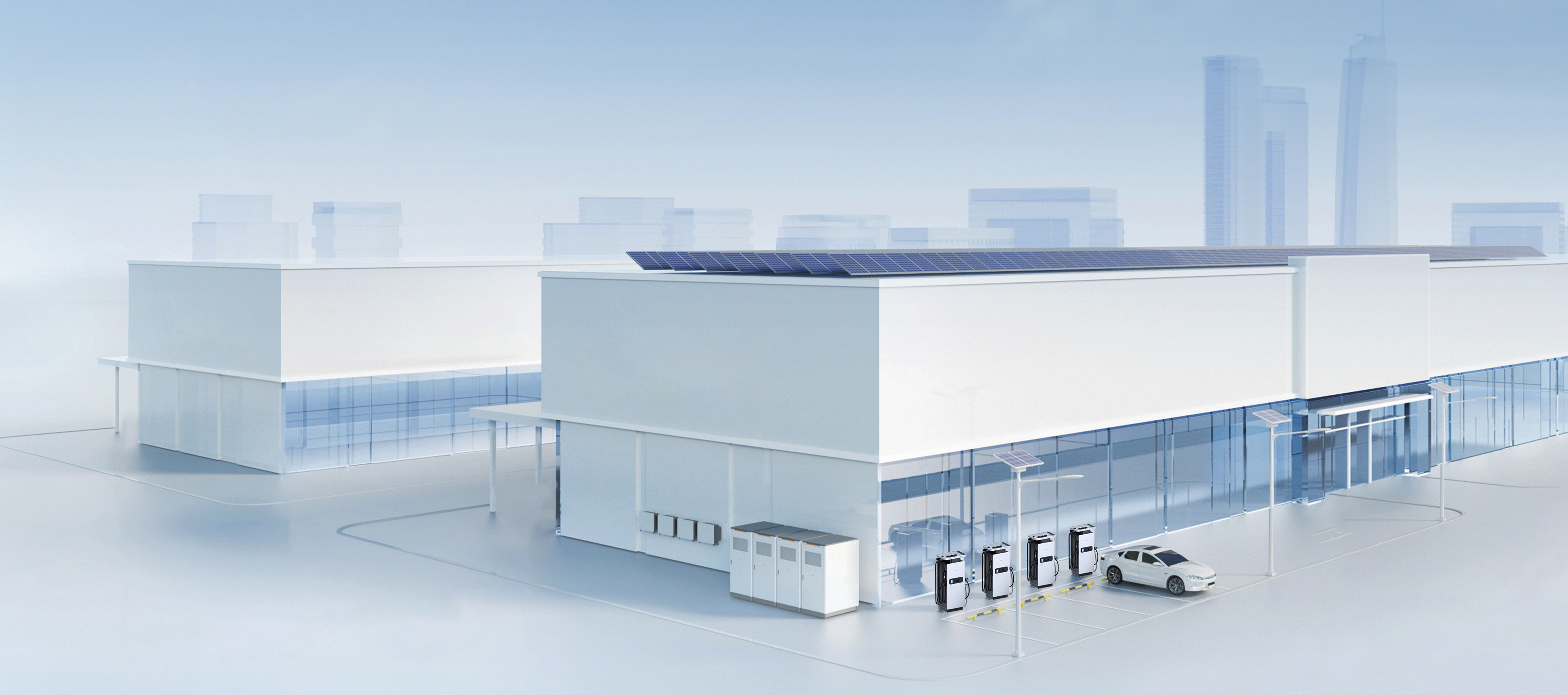
I’ve been on projects for over 15 years, and I vividly recall the specific 300 kW rooftop job: monocrystalline PV modules, basic string inverters, and a modest 200 kWh lithium-ion energy storage pack installed to “cover peak.” The install delivered volume—kWh—but not value. The hidden pain points were obvious only after bills landed: oversized arrays without coordinated inverter clipping, poor DC-AC matching, and no strategy to tackle demand charges. That mismatch converted a technically successful install into a slow ROI—net metering helped the daytime math, but facility demand charges and poor load-shifting ate profits. From my standpoint the traditional checklist (panels, rack, inverter) misses two deeper failures: design-as-product (one-size hardware) and execution-as-commodity (contractors chasing speed). These flaws translate to real costs—higher peak demand, avoidable ramp losses, and extra maintenance visits—so the fix isn’t just bigger arrays; it’s smarter system architecture. Let’s unpack what to compare next—practical trade-offs, not buzzwords.
Where does the money leak?
Comparative upgrades that actually improve outcomes
First, a definition: when I say “system optimization” I mean coordinated PV modules, inverter topology, and energy storage control logic that targets kWh savings and demand-charge reductions simultaneously—measurable targets, not vague promises. Compare two paths: (A) larger PV with minimal storage vs. (B) right-sized PV, higher-efficiency inverters, and targeted energy storage with peak shaving logic. Path B typically yields lower Levelized Cost of Energy (LCOE) and superior demand-charge relief—real numbers from the Austin site showed a ~12% faster payback when we reworked inverter stringing and tuned the battery control for peak shaving.
Here’s what I measure when I advise buyers—three practical, comparable upgrades that matter: better inverter selection (more than brand; look at dynamic clipping and ramp response), adaptive energy storage control (not just capacity—control algorithms), and site-specific array layout to reduce mismatch losses (shade mapping, string balancing). In plain terms: choose inverters that behave well under partial shade and batteries that can respond within seconds. I tested a change in June 2020 where switching from a conventional string inverter to a model with faster MPPT recovery cut ramp losses during cloud events by almost 30%—honest-to-God, that made the morning shifts pay off.
What’s Next
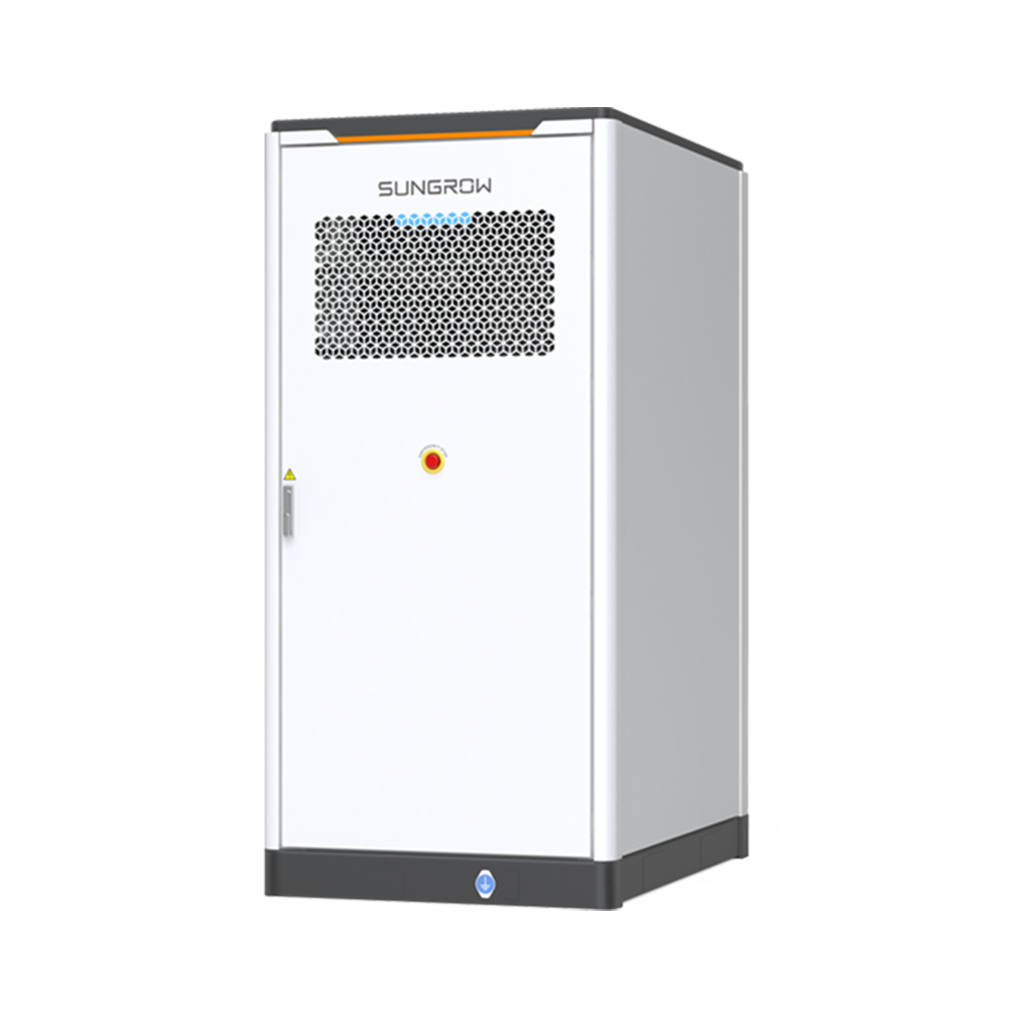
Forward-looking buyers should compare solutions on three clear metrics: 1) Demand-charge reduction potential (projected $/month saved), 2) Dispatch responsiveness (seconds-to-react for storage/inverter), and 3) Lifecycle O&M footprint (estimated maintenance hours per year). I recommend running a simple A/B simulation for any bid—don’t just trust nameplates. We ran those simulations for an industrial park in Dallas in 2021 and swapped to a different inverter topology; that choice reduced maintenance callbacks by 40% in the first 18 months. Short interruption: it’s not glamorous—but it’s lucrative. Long story short: measure what matters, push for dynamic control, and compare apples-to-apples on demand-charge math. For practical procurement help, I often point partners to vendors with strong control stacks and field-tested inverters—brands like sungrow come up in those conversations, and for good reason.
Closing evaluation: three quick checks
Before you sign anything, ask for: projected demand-charge savings (with the site’s hourly load profile), proof of inverter ramp/MPPT performance under partial-shade tests, and a real O&M plan with response SLAs. I say this from hard lessons and specific installs (Austin 2019; Dallas 2021): you can chase capacity, or you can chase cashflow. We chose cashflow—and we slept better. Ready to compare bids differently?