
Introduction — a lab morning that says it all
I once stood by a bench watching samples pile up while the clock ticked louder than the centrifuge — that stuck with me. In that same week, our lab lost three hours to manual cleanup and re-runs; we were trying to scale automated nucleic acid extraction for a surge of tests and it felt like juggling (and dropping) half the balls. Data kept showing lower yields and more failed amplifications as throughput climbed — roughly a 15–20% drop in usable runs over two weeks in our small facility. So what gives? Why does automation, which promises speed, sometimes leave us fighting basics like liquid handling accuracy and contamination control? I want to walk you through the scene, the numbers, and the question I kept asking: can a better approach cut this mess down to size and save lab time — and sanity?
In the sections that follow I’ll get practical. I’ll point out the specific weak links we hit, and then sketch paths forward that I believe actually work. Let’s move from the bench drama to solid fixes.
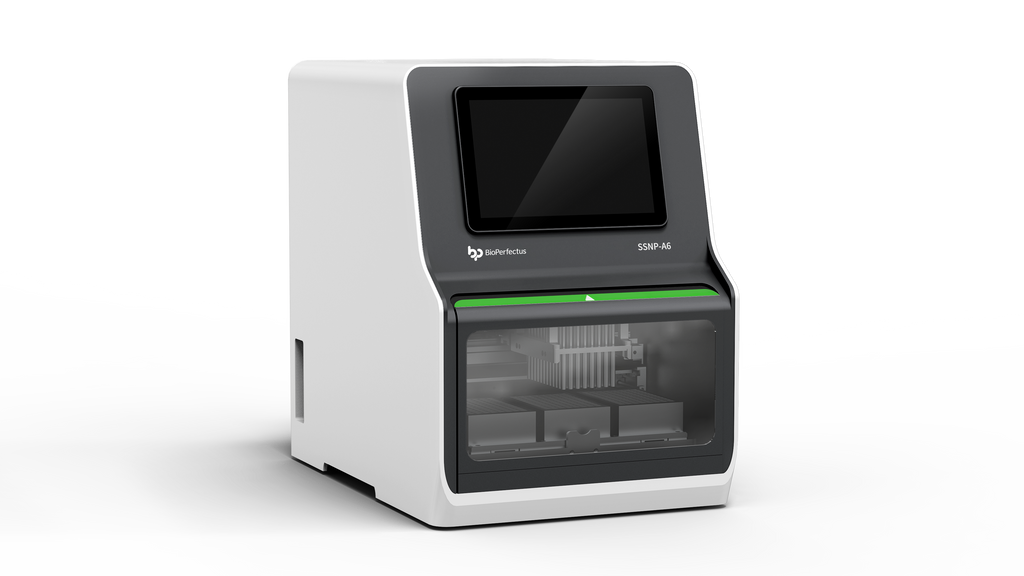
Deeper issues: Why current tools often miss the mark
As I mentioned above, the promise of an automated nucleic acid extraction instrument is straightforward: consistent yields, less hands-on time, and repeatable cleanups. Yet reality gets messy fast. I see three recurring flaws in many standard setups: inconsistent bead capture, reagent carryover, and poor error detection. Magnetic beads stick to plastics. Lysis buffer volumes vary. PCR inhibitors sneak through. Together, those things eat your success rate. I say this from running dozens of runs where a single pipetting offset turned a clean curve into noise. We used to blame users; then we checked the liquid handling robots and the software logs — and found hardware and protocol gaps.
Where do errors start?
Errors often begin at the interface between sample and instrument: sample viscosity, foam formation, and improper mixing can all trip up automated steps. Throughput increases pressure to shorten incubation and wash times, which reduces binding efficiency. I’ve seen automated pipelines that assume ideal sample quality — which is rarely true. Add PCR inhibitors and variable elution volumes, and you get weak signals or failed runs. Look, it’s simpler than you think: when magnet placement, tip immersion depth, and wash buffer composition are off by tiny margins, results swing wildly. We started logging probe-level alarms and cross-referencing them with lot numbers. That pointed to specific fault lines — poor deck calibration and weak error handling in software. We fixed a few of those and immediately got fewer re-runs. That told me the problem wasn’t mythical — it was fixable.
Looking ahead: case examples and practical future steps
Okay — now for the forward view. I want to describe a short case and then sketch what I’d choose next. Recently, our facility piloted an upgraded automated nucleic acid extraction instrument paired with better assay QC and revised wash protocols. We tracked yield, carryover rate, and hands-on time over eight weeks. Results improved: yields rose by about 12%, re-run rate dropped nearly 30%, and staff reported less stress. The gains came from tighter magnetic module tolerances, automated tip-check routines, and a small software change that flagged abnormal wash conductance. Small moves. Big effects. — funny how that works, right?
What’s next for labs?
Moving forward, I’d push two practical principles: instrument-aware protocols and continuous feedback loops. Instrument-aware protocols mean you tune volumes, mixing, and dwell times to the actual device and sample mix, not some one-size-fits-all SOP. Feedback loops mean you log key signals (wash conductivity, bead capture time, tip pressure) and act on trends before they cause a cascade. Combine that with routine deck calibration and you’ll see steady improvement. I also recommend integrating basic edge analytics — simple dashboards run on local edge computing nodes — so techs can spot drift early. You don’t need fancy AI for this; good metrics and clear thresholds do most of the work.
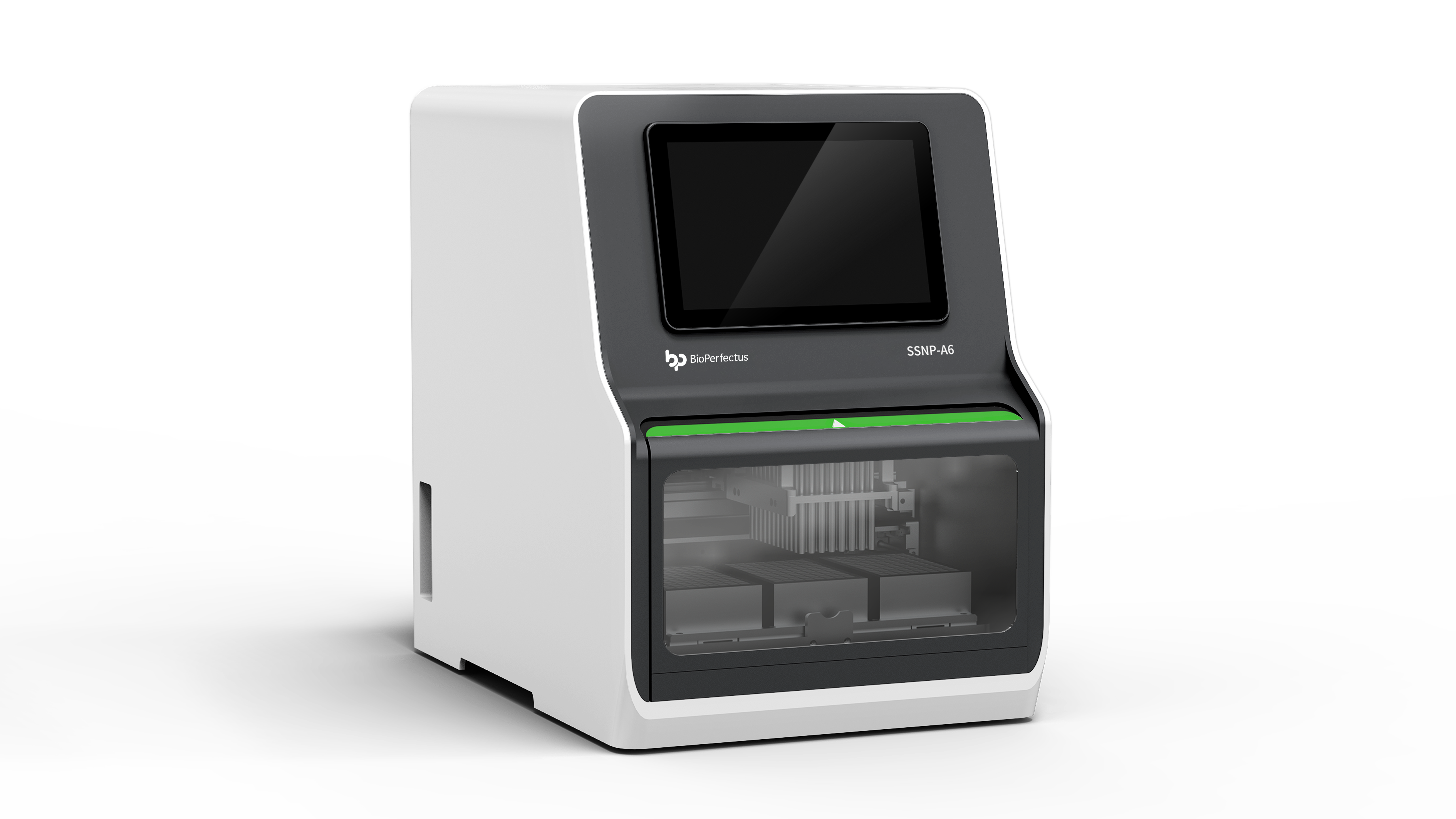
To close, here are three concrete evaluation metrics I use when choosing systems: 1) consistent elution volume variance under 5% across runs; 2) measurable reduction in PCR inhibitors (Ct shifts under 1.0) after optimization; 3) documented error detection and recovery steps in firmware or control software. Those three tell me whether a device will save time or just shift the pain. I’ve learned to trust data and to push vendors for transparent logs. In my view, practical choices beat flashy specs every time. For tools and systems that helped us when we tested these ideas, see BPLabLine.