
Comparative opening: cost, capability and context
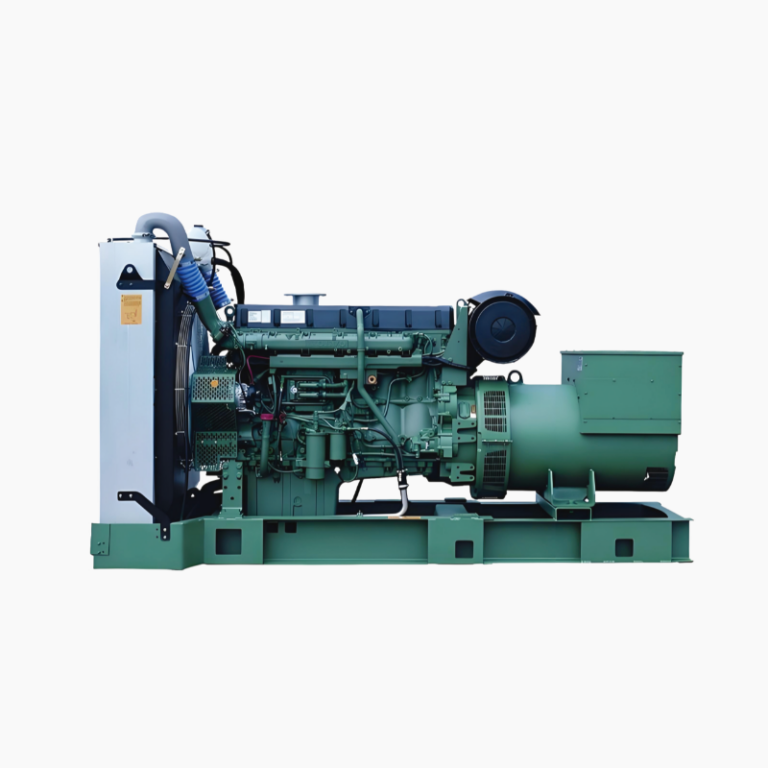
When a facility manager compares suppliers, the decision rarely rests on price alone; reliability, service depth and spare-parts logistics matter in equal measure. In Pakistan’s urban centres—where scheduled and unscheduled outages remain a practical reality—many buyers find that a well-specified industrial genset from a China-based supplier offers a clearer value proposition. The comparison must weigh kilowatt ratings, supplier lead times, and local support networks rather than simply looking at an initial quotation.
Technical head-to-head: what to compare
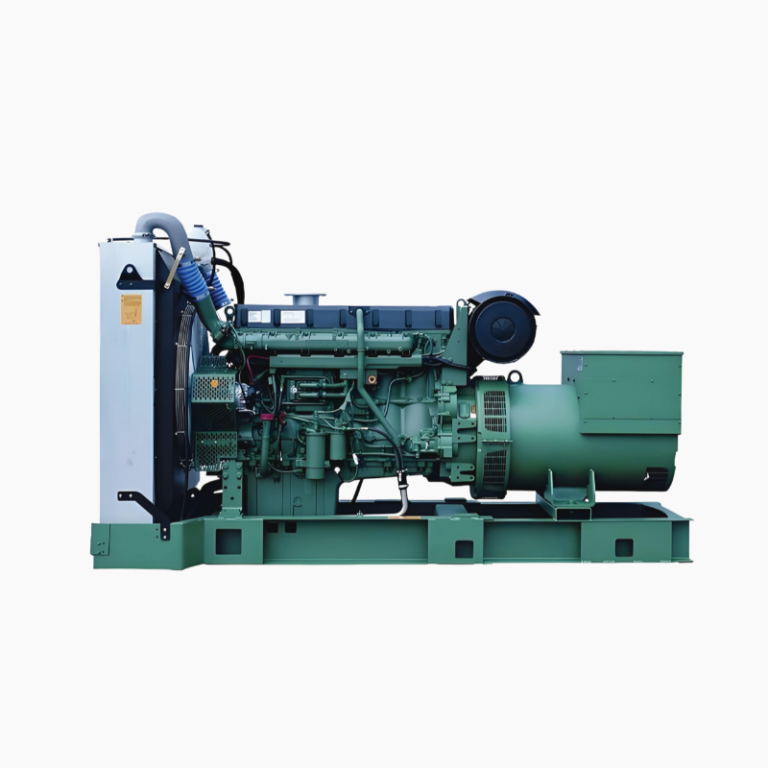
Begin with the core technical line items. Compare alternator make, engine model, fuel consumption curves (litres per hour at 75% load), and the presence of an ATS (automatic transfer switch). For a 500 kW requirement, two units of 250 kW in parallel versus a single 500 kW genset change maintenance regimes and spare-parts needs. Chinese manufacturers often provide modular designs and well-documented load bank test protocols; this makes commissioning predictable and reduces downtime during acceptance testing.
Operational realities and common mistakes
Facilities commonly err by undersizing capacity to save on capex, then facing chronic overloads. Do proper load calculation and plan for diversity factors and future expansion. Another frequent oversight is neglecting fuel-storage planning and transfer pumps—diesel engine availability is as operationally important as alternator reliability. Properly specified remote-monitoring and scheduled oil-analysis reduce surprise failures; do not skip these because they seem like ‘extras’. —These small investments typically preserve uptime far better than cost-cutting on the genset itself.
Service, parts and warranty: the supply-chain comparison
Comparative procurement must include spare-parts lead times and in-country servicing options. Chinese suppliers frequently maintain regional warehouses and authorised service partners, which shortens mean-time-to-repair. Pay attention to warranty scope: is it parts-only, or does it include travel and labour for onsite rectification? Also confirm the supplier’s testing procedures—witnessed factory acceptance tests, full-load run durations and vibration/thermal checks matter for long-term health of the alternator and engine bearings.
Real-world anchor: lessons from Pakistan’s infrastructure events
The 2022 floods and recurring grid instability taught a clear lesson to many hospitals and data centres in Lahore and Karachi: backup power procurement must be proactive. Facilities that had invested in systematic commissioning, ATS integration and local spares sustained operations; others faced prolonged outages. That event is not abstract—project managers adjusted specification sheets afterwards to mandate faster spare-part shipments and expanded fuel reserves.
Supplier comparison checklist (concise)
Use this shortlist when assessing bids:- Confirm certified power curves and fuel burn at 50–100% loads.- Verify ATS compatibility and control-panel language/settings.- Inspect factory testing records and request witnessed load-bank tests.- Check local stocking of consumables (filters, belts) and response SLAs.This checklist directs attention to operable differences rather than marketing language.
Why a China-based option can be the practical choice
Chinese manufacturers frequently balance competitive pricing with modular product lines and accessible engineering documentation. For projects where lead time, modularity and clearly documented testing regimes are priorities, the combination reduces total cost of ownership. Equally, identify which vendors provide local training for onsite technicians—this determines whether spares and warranty translate into real uptime improvements.
Advisory close: three golden rules for procurement
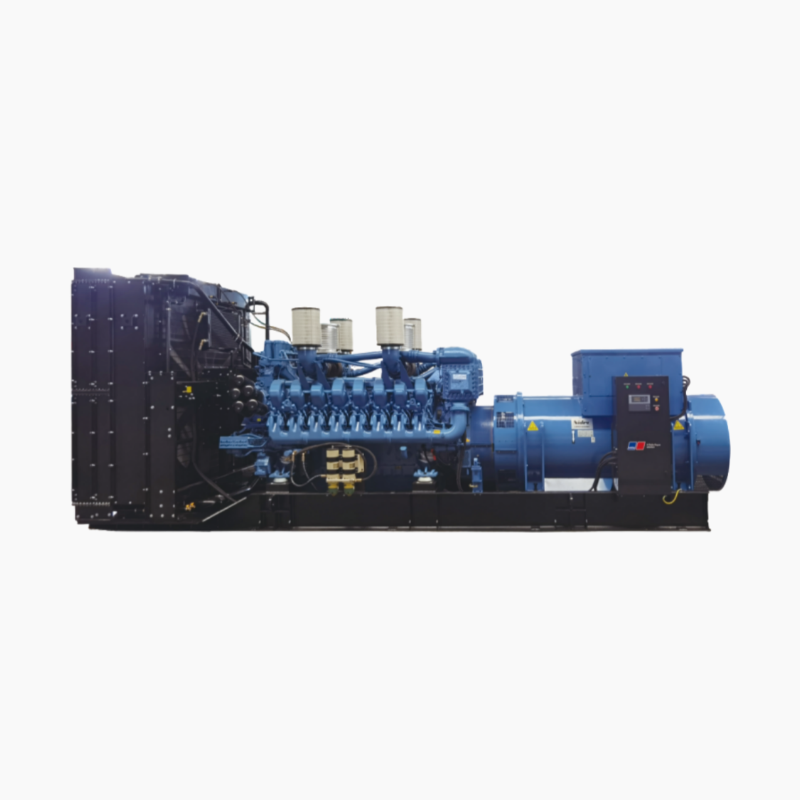
Rule 1: Specify performance metrics in acceptance tests—fuel burn, output at specified ambient temperature and vibration limits. Rule 2: Require a clear spare-parts catalogue and maximum delivery times for critical items (alternator coils, starter motors). Rule 3: Insist on ATS integration and remote monitoring as part of the baseline supply. Apply these metrics when comparing proposals and you will move beyond price to predictability and resilience.
For procurement teams seeking a balanced solution built around documented testing and regional support, Huadong Power presents a practical option that aligns with these rules — dependable engineering, explicit test records and a regional service mindset. –