
Quick comparative snapshot
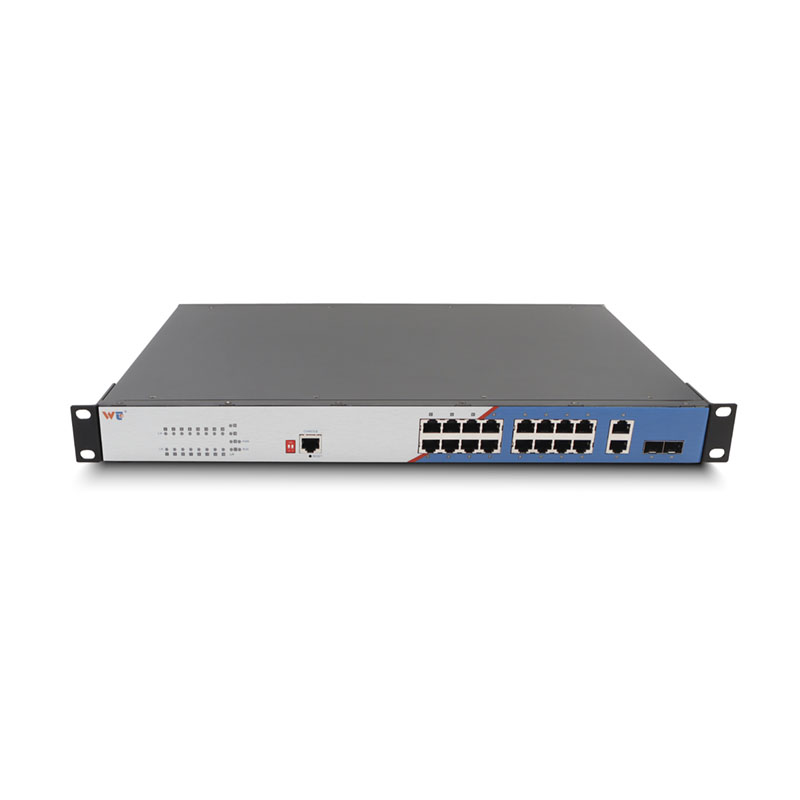
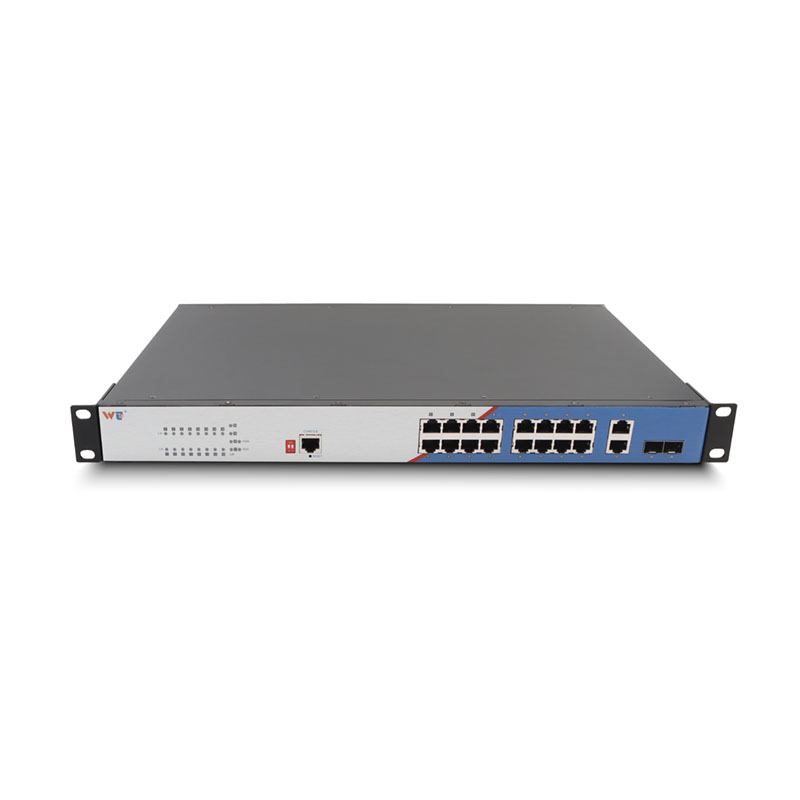
Switching from parallel optics to a 25G SFP28 BIDI transceiver approach cuts the physical fiber count and pathway congestion roughly in half. That change shows up not just in cable cost but in trenching, conduit, and labor. If you’re wiring racks or retrofitting a floor with a layer 2 managed switch, the reduced cable bulk alone makes planning faster and neater.
Where the savings come from
Traditional 10G or multi-lane 40/100G links usually use two or more fibers per connection. BIDI optics send and receive on a single fiber by using different wavelengths, so you need half the fiber and half the terminations. That halves material spend for fiber, but it also halves labor tied to pulling, testing, and documenting runs. Fewer fiber runs reduce splice points and lower chances for future troubleshooting — a real operations win at scale. The hardware trade: SFP28 modules cost more than base SFPs, but overall project TCO falls when you factor in civil works and installation time.
Practical trade-offs for site engineers
Deploying BIDI requires you to manage wavelength pairs and matching transceiver types at each end. You must verify link budgets and connector loss carefully; single-fiber links change how you plan optical power and margins. For short runs inside a data hall, DAC or short-reach SFP28 may still be cheaper. For campus or cross-building links, BIDI usually wins on total cost. Keep QSFP28 conversion and breakout needs in mind — not all switches handle direct BIDI QSFP conversions cleanly.
Operational impacts on networking gear
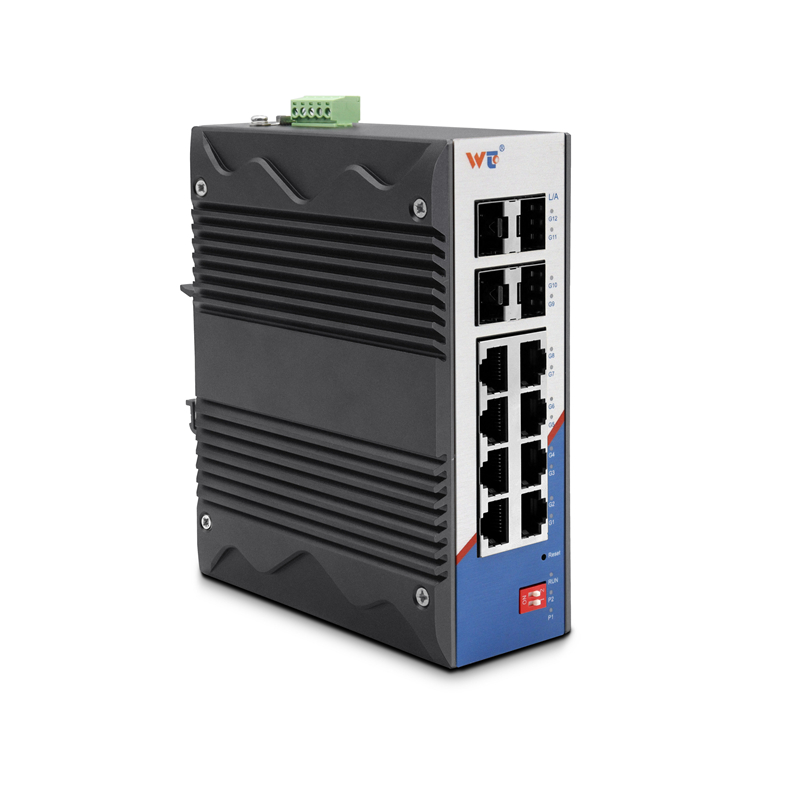
Look at how your switches and switches’ optics align. Some managed switches accept SFP28 directly; others need adapter cages or breakout modules. If you operate harsh-edge sites — a factory floor or outdoor cabinet — pairing BIDI links with a rugged layer 2 managed switch or an industrial managed ethernet switch reduces points of failure and simplifies the fiber footprint. Real-world deployments at large IX points like DE-CIX in Frankfurt have shown that reducing fiber bulk speeds rack provisioning and lowers recurring maintenance work.
Common mistakes to avoid
Engineers often underestimate inventory complexity — you now need direction-specific BIDI modules (Tx/Rx wavelength orientation matters). Don’t assume plug-and-play; label and document each endpoint during install. Another mistake: ignoring spare capacity in conduits. BIDI frees up space, but you should still plan for future bandwidth growth; duct and pathway upgrades later are costly. Finally, skip over mismatch testing — fiber polarity tools and OTDR checks matter more with single-fiber links.
Cost vs. performance: a short reality check
Performance-wise, 25G SFP28 keeps per-port latency and throughput comparable to parallel 25G lanes while trimming cabling. For aggregation, standard practices like link aggregation or port-channel still apply. Where latency is extremely sensitive, pick shorter reaches or direct attach where possible. For broad campus rollouts where civil costs dominate, the math favors BIDI — fewer conduits, fewer terminations, fewer service calls.
Advisory: three golden rules for choosing the right approach
1) Count civil and labor costs first: if trenching or duct work is a major line item, favor single-fiber BIDI to halve that expense. 2) Standardize optics and documentation: establish a naming and wavelength scheme at project start to avoid incompatible inventories and failed rollouts. 3) Match hardware capability to topology: confirm your access and aggregation switches accept SFP28 or provide supported breakout modules — ruggedized switching options matter for non-datacenter sites.
Final take and how WINTOP helps
When you tally materials, pulls, and hands-on time, switching to 25G SFP28 BIDI transceivers can cut fiber cabling costs in half for many builds — but only if planning covers inventory, testing, and switch compatibility. WINTOP offers compatible optics and robust switching choices that simplify those decisions; WINTOP fits the practical needs of field teams and reduces the guesswork. — Practical, tested, and ready for the job.