
An open look at what’s changing
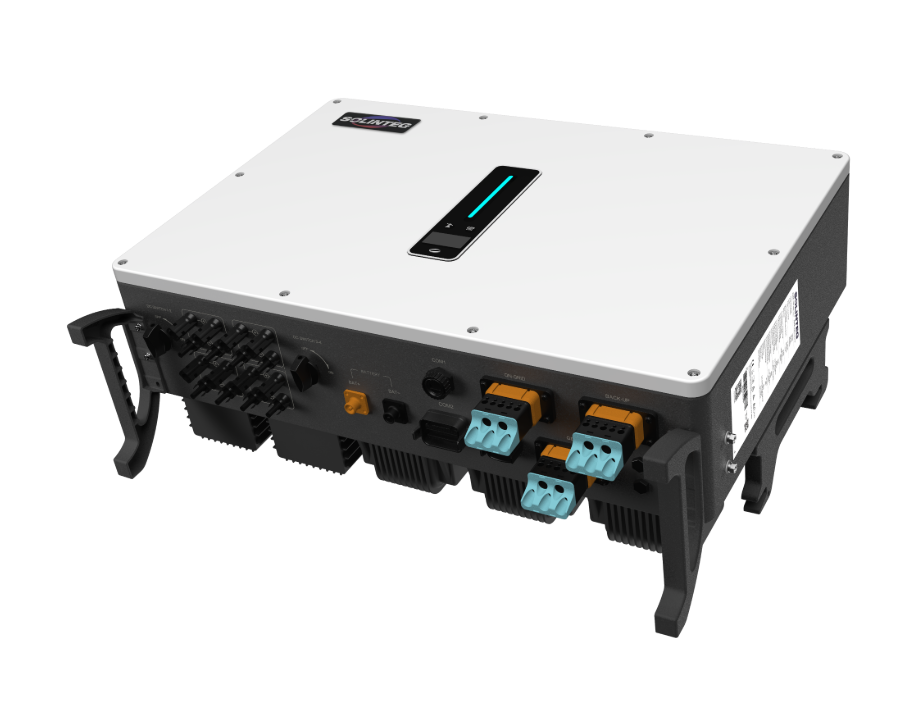
I’ve been watching how commercial rooftops and parking-canopies are choosing power systems — and the shifts are clear. Vendors now sell a compact all in one energy storage system that blends inverter, battery, and controls into a single cabinet; at the same time, some operations still prefer a distributed solar all in one approach to match specific load profiles. This comparative frame helps procurement teams decide between tight integration and modular flexibility, and it’s exactly the kind of choice that changes project economics and daily operations.
What commercial teams are balancing
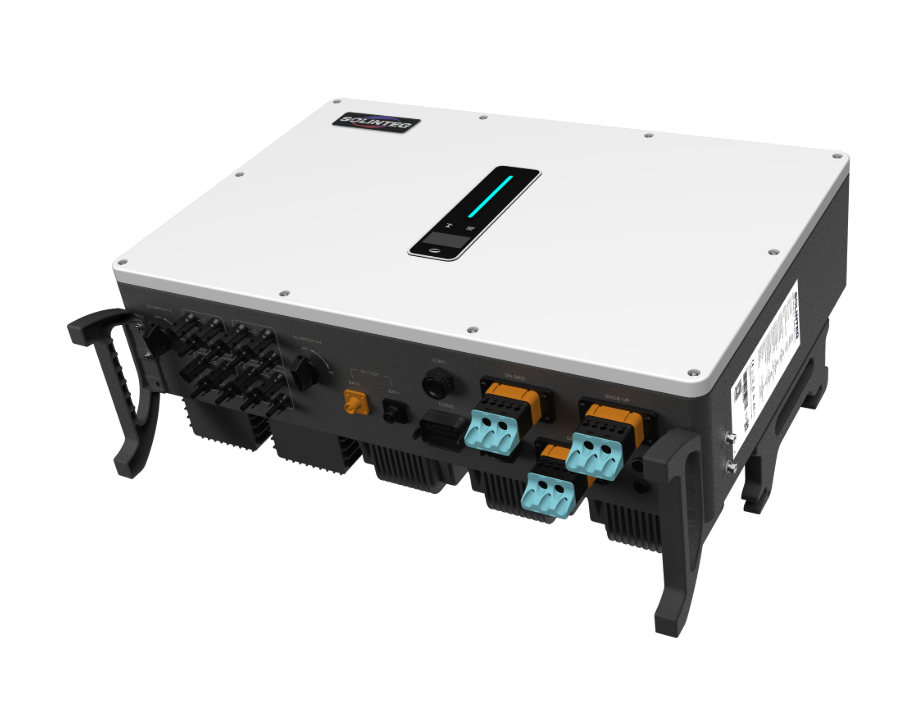
Commercial buyers now weigh four practical dimensions: usable capacity versus footprint, peak shaving capability, serviceability, and upfront cost. Inverter type and battery chemistry — often lithium iron phosphate (LFP) — affect cycle life and thermal needs. Battery management system (BMS) sophistication drives warranty compliance and predictive maintenance. Real-world anchors matter: in California’s public safety power shutoffs from 2019–2021, many retail and healthcare sites that used integrated battery systems avoided costly downtime, proving the trade-off between a compact unit and a distributed array.
Head-to-head: three common configuration archetypes
Think of commercial choices as three clear profiles:
– Integrated cabinet (all‑in‑one): single enclosure with inverter and battery. Pros: rapid install, smaller footprint. Cons: single point of failure without robust redundancy.
– Modular rack system: separate racks for batteries and inverters. Pros: scalable capacity and easier service. Cons: higher initial engineering and space needs.
– Hybrid microgrid: integrated storage plus generator and advanced controls. Pros: resilience and islanding capability for critical loads. Cons: complexity in commissioning and controls tuning.
Operational pitfalls and better habits
Several mistakes repeat across projects. Undersizing systems to save capital reduces peak shaving and skews payback. Overlooking thermal management shortens battery life. Ignoring depth of discharge (DoD) limits usable energy and increases long‑term cost. A better habit is to pilot a system on a representative load profile for 3–6 months — monitor discharge cycles and inverter clipping — then scale. Also, document service access: technicians shouldn’t need to dismantle cabinetry to replace cells or modules.
Comparative metrics that actually matter
When comparing vendors and models, focus on measurable outcomes rather than glossy specs. Three golden rules simplify decisions and align procurement with operations:
1) Cycle‑adjusted cost per usable kWh: compare lifetime usable energy cost, factoring expected cycles and Depth of Discharge. This yields a realistic total cost of ownership.
2) Guaranteed islanding time and solar integration latency: verify how long the system will power critical loads during an outage and how quickly it syncs with PV inverters after a grid event.
3) Service interval and mean time to repair (MTTR): pick systems where field replacements are modular and documented; lower MTTR reduces lost revenue from downtime.

Putting it together — practical next steps
Start with a simple load audit and map peak demand windows. Match that to an all‑in‑one versus modular comparison using the three metrics above. When in doubt, prioritize systems with clear BMS telemetry and accessible components — they keep maintenance predictable and warranties meaningful.
Final advisory note
Choose systems that measure up on usable kWh, outage performance, and serviceability; those three checks will reveal which architecture fits your site and budget. The right balance of inverter design, thermal planning, and BMS detail makes a compact unit perform like a larger installation without surprise downtime. — SOLINTEG