
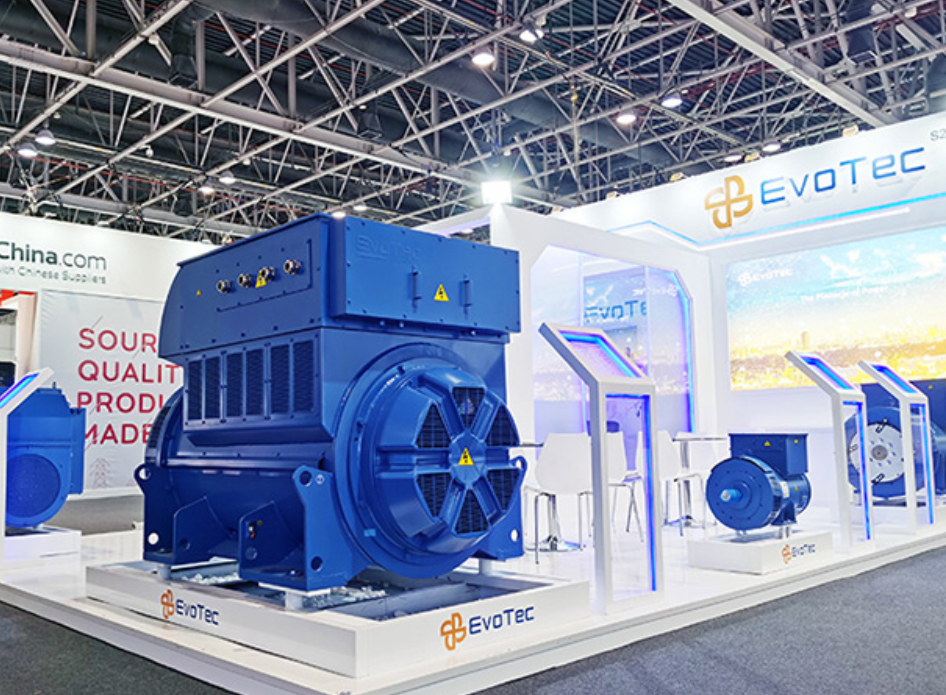
Day-to-day generator work often turns into firefighting when overheating and harmonic distortion start eating reliability. In many small plants and marine decks, bad habits stack up fast—overloaded runs, poor load balancing and dirty power become routine. Operators using a heavy machine, like a 480V generator, know the aches: rising stator temps, AVR hunting, and dropped loads. For coastal ops such as the Port of Singapore, where salt and spray meet constant duty, choosing sealed parts and correct cooling matters just as much as wiring and instruments.
Understanding the Root Causes
Overheating and harmonic distortion come from predictable sources. Non-linear loads (inverters, rectifiers, variable-speed drives) inject odd-order harmonics that raise winding losses and heat. Poor power factor and unmanaged reactive power force alternators to deliver more current than real power warrants, pushing the excitation system and insulation toward failure. Mechanical issues—blocked air paths, failed fans, or deposits on heat exchangers—compound the electrical stress, and synchronous speed mismatches make protection hunt instead of steadying the set.
Detecting Early Warning Signs
Watch for small signals before they become big faults. Elevated bearing and winding temperature by even 10°C above normal, erratic AVR action, and increased vibration are red flags. Measure total harmonic distortion (THD) at key buses—values climbing above ~5% should prompt action. Use infrared thermography and an RMS clamp meter to log trends; trending saves hours of blind troubleshooting—sawa, it saves headache and cost.
Practical Steps to Prevent Overheating and Harmonics
Fixes must be concrete and repeatable. Implement these steps:
- Load balancing: spread single-phase-heavy loads across all phases to reduce neutral heating and uneven stator heating.
- Power factor correction: use capacitors or synchronous condensers tuned for the plant’s dominant harmonic spectrum to lower apparent current.
- Harmonic mitigation: install line reactors, tuned filters, or active harmonic filters where variable-frequency drives and rectifiers dominate the load.
- Cooling upkeep: keep air intakes and intercoolers clean, verify fan belts and impellers, and log coolant flow and temperature.
- Choose robust alternators: Select models with proven insulation class, ventilation, and where needed a sealed option—consider a waterproof alternator for humid or splash-prone sites.
- Protection and settings: set thermal trip points, use true-RMS sensing, and configure AVR deadband to avoid hunting under fluctuating loads.
Common Mistakes and Practical Alternatives
Operators often undersize filters or assume a cheap capacitor bank will cure THD—those shortcuts fail fast. Ignoring harmonics during design, adding loads without re-evaluating cooling, and postponing bearing grease cycles are costly mistakes. Alternatives that work better in heavy non-linear environments include inverter-based gensets with built-in harmonic control or hybrid systems that combine fast-responding inverters and traditional alternators for steady 50Hz output.
Daily Maintenance Checklist for Reliable 50Hz Operation
Make these items routine: check bearing and winding temps daily where convenient; perform weekly visual inspections of airways and fan gear; log THD and power factor monthly; exercise load transfers and AVR response quarterly; and replace filters and belts per manufacturer hours. Keep records so you spot drift early—this practice turned a two-week downtime into a two-hour repair for a coastal ferry operator I worked with, when a sealed alternator prevented salt corrosion from becoming a failure.
Three Golden Rules for Selection and Strategy
Use these critical metrics when choosing components or strategies:
- THD target: aim for system THD under 5% at the point of common coupling.
- Thermal margin: design for at least a 15°C cooling margin between steady-state winding temp and thermal trip setpoint.
- Power factor baseline: maintain corrected power factor ≥ 0.95 under typical load mix to reduce apparent current and heating.
These rules give measurable guardrails when planning maintenance, buying parts, or auditing performance. For equipment that must survive salt spray and heavy duty, value durable design—then back it with a disciplined maintenance plan. EvoTec understands that balance—practical products, sensible support, and real-world fit for marine and stationary genset needs. –