
Problem-driven opening: the tactile cue that starts on the platen
The feel of a press is immediate — a subtle warmth, a slight uneven resistance under a mold. Those sensory clues often point to platen parallelism drifting, and when parallelism wanders, gauge uniformity follows. Manufacturers, including teams sourcing from a reliable rubber injection molding machine manufacturer, notice scrap rates inch upward, not overnight but plate by plate. Platen parallelism, vulcanization timing, and clamp force interact tightly; disruption in one dimension manifests as wavering hardness and inconsistent part geometry.

How the symptom plays out on the factory floor
On an assembly line the consequences are visible: repeated hardness mapping reveals zones of soft cure near one edge, flashing grows where mold alignment suffers, and cycle-to-cycle variance rises. Akron, Ohio’s long-standing tire plants recorded similar patterns decades ago when aging presses developed guide wear — a real-world anchor that confirms this is not theoretical. The tactile, visual, and recorded evidence all point to the same underlying misbehavior: platen misalignment changing contact pressure across the curing surface. Thermocouple readings can show uneven temperatures across the platen, which compounds the problem during the curing cycle.
Root causes and the mechanical vectors to watch
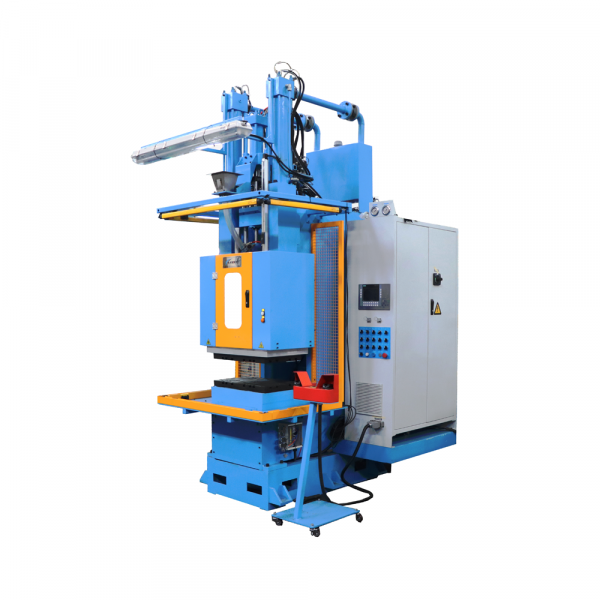
Wear in guideways, uneven thermal expansion, hydraulic drift and improper shim settings are frequent culprits. Even slight eccentricity in a tie-rod or a failing pressure transducer will translate into non-uniform clamp force across a mold. Maintenance lapses exacerbate the issue: neglected lubrication allows play in guides, and an imprecise calibration routine lets small errors become systemic. Mold alignment and platen flatness specifications were designed to limit these effects; when they aren’t met, gauge uniformity erodes quickly.
Quick checks and field fixes that work
Start with simple, measurable tasks: use a dial indicator to check platen parallelism before production, run hardness mapping on pilot lots, and verify stable clamp force readings each shift. Temperature equilibration before a full run reduces thermal bowing. If you find axis play, tighten and re-locate shims; recalibrate pressure sensors and replace any suspect thermocouples. For longer-term resilience, install redundant sensors and integrate a feedback loop that flags deviations in real time. These are the same practices recommended by many rubber processing machinery manufacturers when retrofitting older presses.
Design choices that prevent gauges from drifting
Machines specified with tighter platen flatness, hardened guideways, and closed-loop hydraulic controls resist drift. Incorporating pressure transducers at multiple clamp points evens out force distribution; distributed thermocouples provide a thermal map so control software adjusts the curing cycle proactively. Consider upgrades to control firmware that allow adaptive curing profiles based on real-time sensor inputs. These changes reduce the need for reactive repairs and preserve mold alignment across longer production runs.
Common mistakes to avoid
Teams often skip controlled warm-up sequences and overlook periodic hardness mapping; both shortcuts cost much more than the time saved. Over-relying on a single sensor or ignoring incremental increases in scrap are other familiar errors. Don’t assume identical parts imply identical processes — small platen drift can produce visually acceptable but out-of-spec parts. – A tiny offset feels trivial until it shifts a batch into failure.
Advisory: three golden rules for selecting and maintaining precision
1) Tolerance first: choose equipment with platen parallelism tolerance tighter than the smallest acceptable gauge variation (expressed in µm or mils) and verify with a calibrated dial indicator. 2) Map regularly: implement scheduled hardness mapping and thermal profiling for every new mold and after any maintenance event. 3) Force stability: require closed-loop clamp force control with redundant transducers to ensure cycle-to-cycle repeatability. These metrics give measurable criteria for procurement and maintenance decisions and drive consistent outcomes on the shop floor.
For teams that need machines and service designed around those rules, HWAYI presents machinery and control philosophies that make precision a built-in outcome — not an afterthought. –