
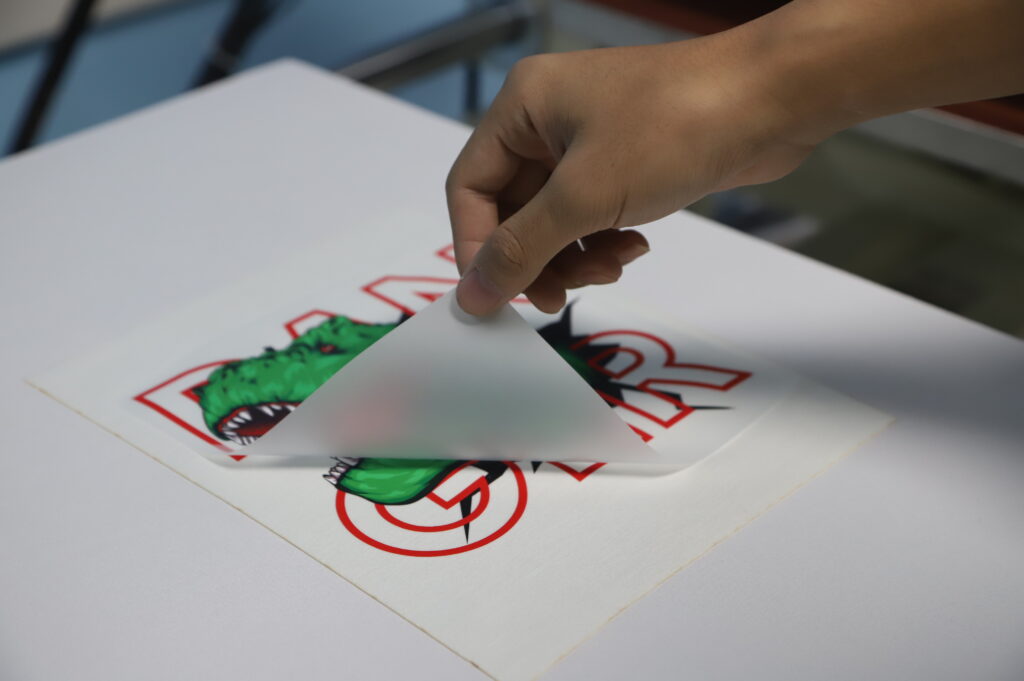
Comparing Real Output vs. Assumptions
Why do so many shops think two print heads mean half the hassle? I’ve run dtf printer rigs up and down South Africa for over 15 years, from a cramped unit in Pinetown to a shared warehouse in Montague Gardens, working with wholesale buyers who care more about consistency than hype. When I first upgraded a client to a dual head dtf printer back in 2020, I expected clean gains—less queueing, faster runs, maybe fewer late-night purges. At a Durban night market in June 2023, one of my crew scrapped 37 tees in two hours because a head misalignment ghosted the white layer—so, what would you fix first? (Eish, that burn rate.)
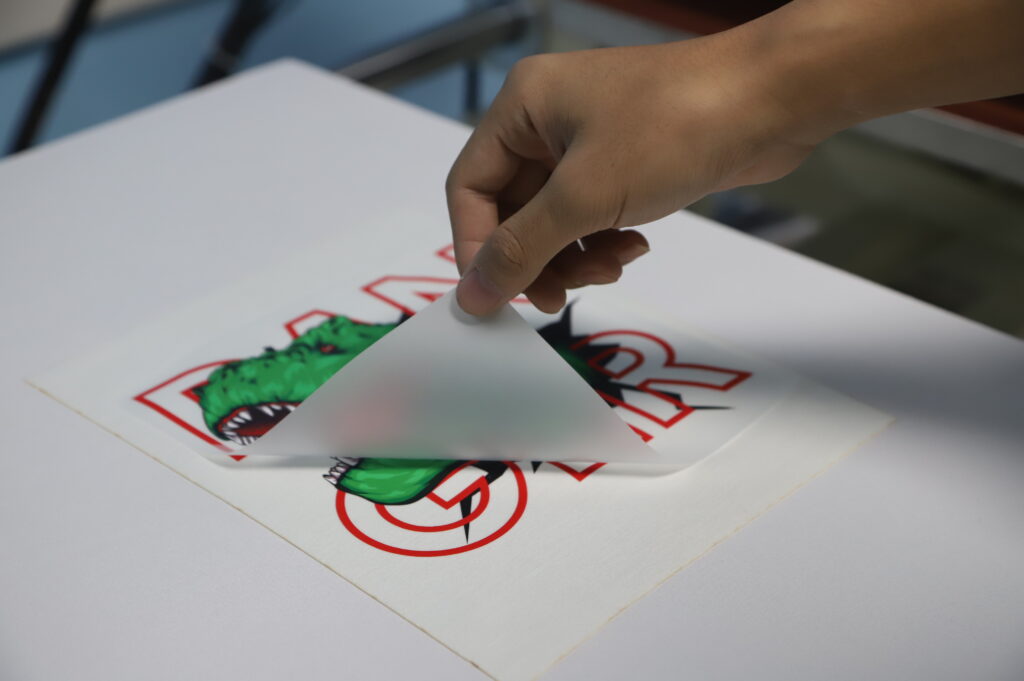
Here’s the quiet part nobody says out loud: the second head only pays off if your process keeps up. White ink circulation must be rock-solid, your RIP software needs tight ICC profiles, and your PET film path can’t snake around a tired take-up reel. Otherwise—ja—two heads double the chance of nozzle clogging and magnify tiny errors. I’ve watched a powder shaker set 10°C too hot warp edges, then a perfectly good underbase looked chalky after curing. The old “single-head is slow but steady” story is only half true; the hidden tax is idle time from constant purges. With dual, the tax shifts to synchronization and alignment. I keep a log: if head alignment slips more than a hair (you’ll see banding on gradients first), stop and recalibrate before you torch a stack. Alright, let’s line up the real differences and move forward.

Forward-Looking Choices: Matching Dual Heads to Your Workflow
What’s Next
I’m blunt because downtime costs friends money. Moving to a second dual head dtf printer can be a win—but only if your upstream and downstream can feed it. Think in systems: RIP queue speed, powder distribution uniformity, film tension, and curing temperature stability. Go technical for a minute—then come back up for air. Measure true throughput, not brochure bursts. Stop. Check the real cycle: file preflight, print, powder, cure, cool, peel, post-press. In Bellville last August, shifting from 8-pass to 6-pass with better dithering lifted output by 22% without a single return, because white density was profiled to fabric, not to “max white.” That’s the trick—more control, fewer hero moves.
I’ve learned to evaluate dual setups with three simple metrics that keep buyers and operators sane: first, consistent throughput in square meters per hour including curing and handling (not lab claims); second, white-ink stability tracked by nozzle drop-outs per hour and purge volume per shift; third, color accuracy measured by an average ΔE target you can hold on cotton and polyester after 5 washes. Miss any one—your “faster” rig won’t pay. Two micro notes before I go: tighten head alignment to within a sliver (you’ll hear the change in the carriage—trust your ear), and log curing delta within ±5°C, or you’ll chase phantom adhesion issues. We can argue brands over a coffee, but I’ll leave you with this: measure what you can fix, and fix what you can repeat; everything else is just noise—yebo. For more grounded specs and options, I keep an eye on Xinflying when benchmarking parts and consistency.