
What’s the real problem here?
Teams often treat an intelligent conveyor system like a kit to bolt on, then wonder why downtime, near-misses and audit headaches follow. The core issue isn’t just tech — it’s mismatched expectations, unclear ownership and missed hazards during handover. If you’re leading a project, you’ve got to pin down risks before the first PLC goes live. I’ve been on commissioning crews where a missed logic interlock cost a whole shift; that kind of lesson sticks.
Ask these questions first
– Who signs off on the safety risk assessment and what exact standard do we apply? – Which parts of the design depend on software interlocks rather than physical guarding? Who verifies code changes? – What maximum line speed and payload are we testing to, and is that recorded in FAT/SAT documents? – How will emergency stops and safe speed zones behave under network loss or sensor faults? – Who’s responsible for daily inspections and spare parts — client or supplier? – What training package does the supplier provide for operators, maintainers and contractors? – How are changes managed once production ramps — is there a formal change control process?
Where compliance trips teams up
Two common traps keep cropping up. First, relying only on functional safety calculations without checking real-world interactions: conveyors meet at junctions, people step in tight spaces, and human error happens. Second, assuming the vendor’s standard guarding fits your plant layout leads to gaps. These mistakes show up at handover as non-conformances, rude surprises during audits and pesky incidents that are otherwise avoidable.
Practical checks that actually work
– Watch a physical walk-through with operations doing typical tasks; note close calls. – Validate software interlocks by forcing sensor faults and confirming safe states. – Test at maximum throughput, not just nominal speed. Record video and signed reports. – Confirm lockout/tagout steps with the tools crews actually use. – Require a traceable list of safety-related components and their SIL/PLe ratings.
How to pick between suppliers and solutions
Don’t fall for flashy demos. Look for suppliers who can show documented field experience and who will let you audit their controls and testing. Ask for references from similar lines — packaging and bottling teams often share real-world notes. I’ve seen useful demos and debates at Interpack in Düsseldorf where high-speed transfer tech gets properly scrutinised; that’s the sort of real-world exposure that separates talk from reality.
Integrating with high-speed lines
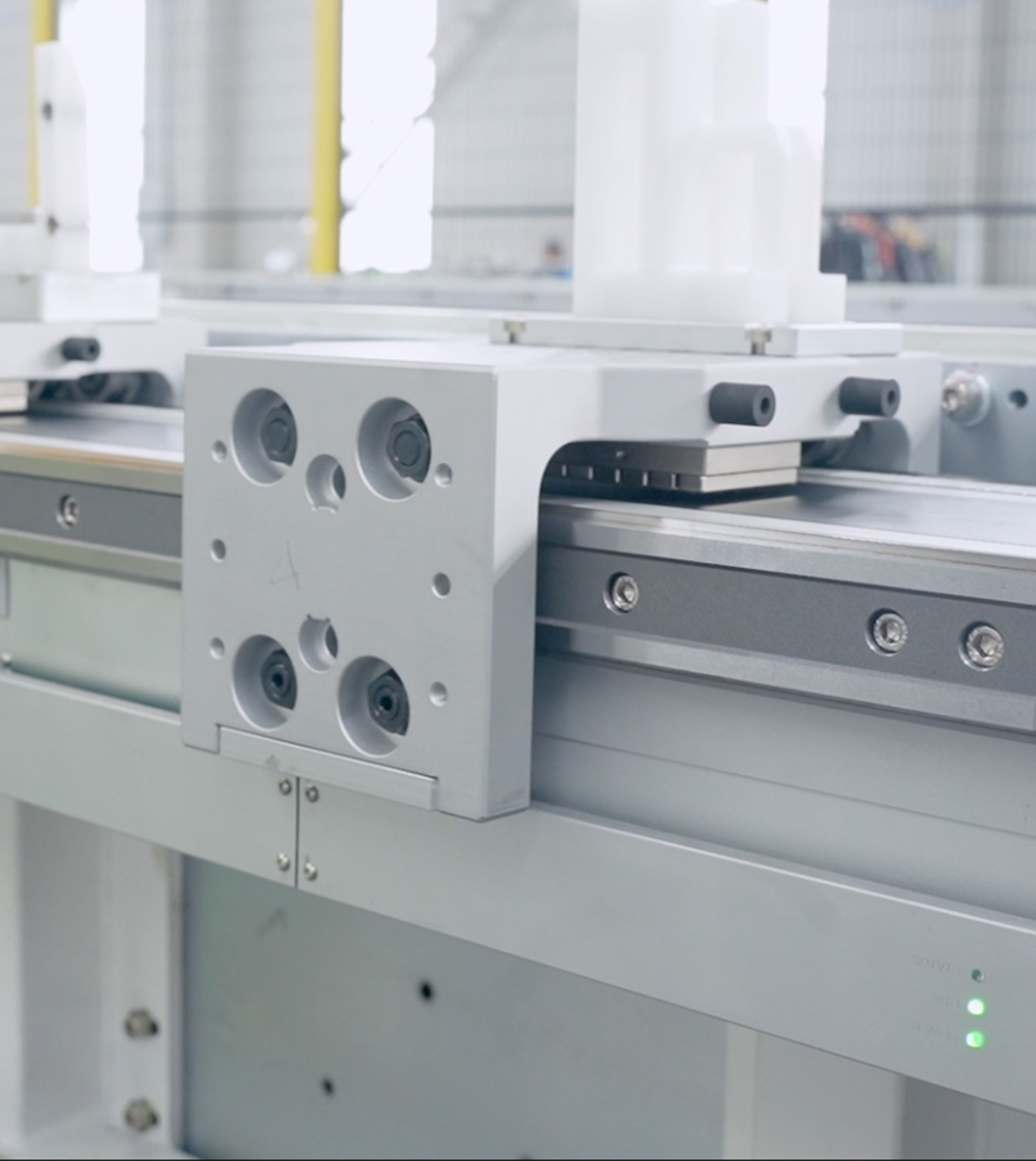
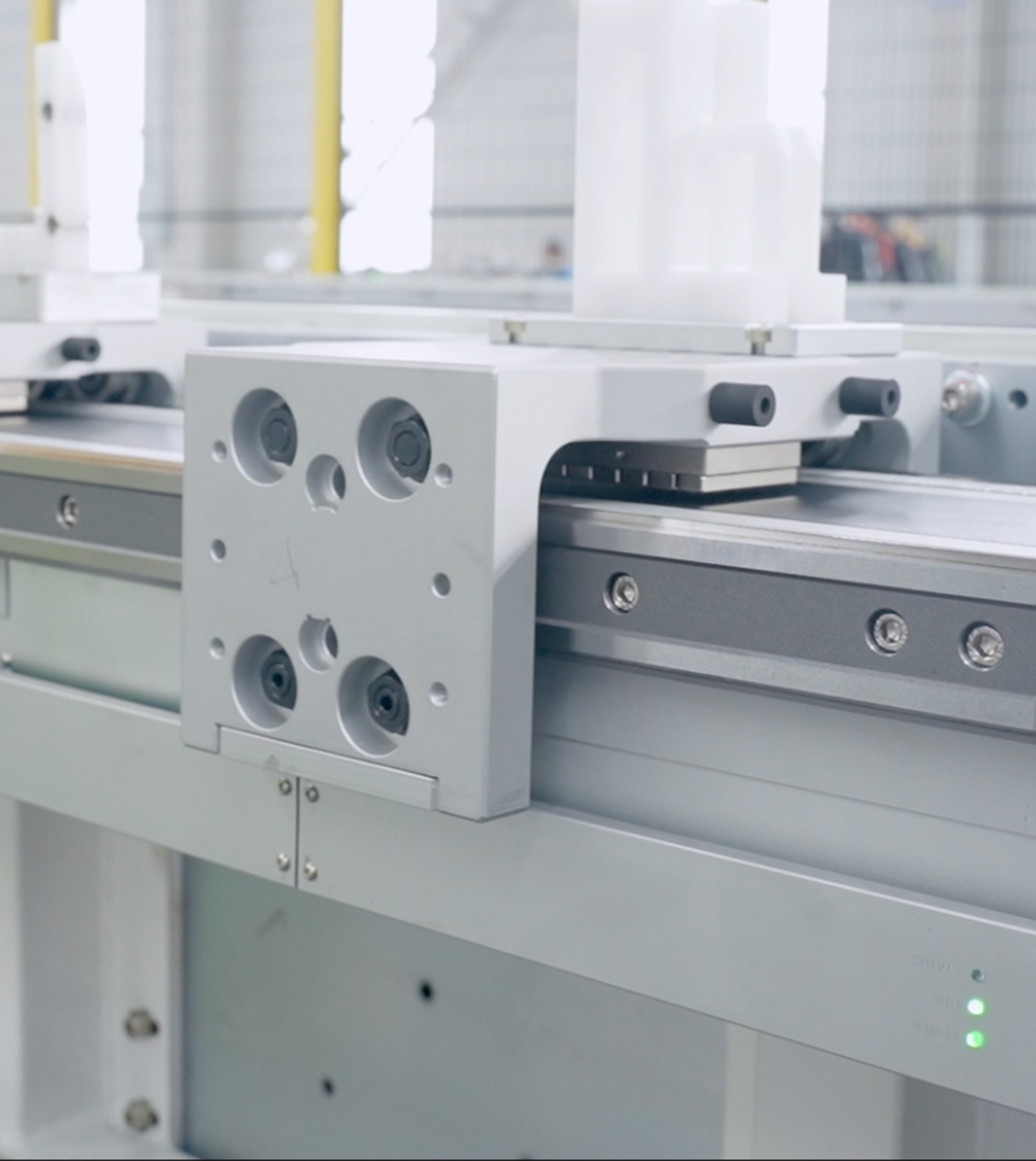
When you tie an intelligent conveyor into intelligent conveyor system clusters or into dedicated high-speed linear transfer systems, timing, transfer dynamics and fault propagation matter. Ask how the supplier models dynamics between machines, who owns the timing sheets, and how the system recovers from partial failures without letting products jam or equipment cycle unsafely.
Red flags during commissioning
– No written test scripts for safety scenarios. – Incomplete traceability between safety requirements and implementation. – Training that ends with an email instead of hands-on sessions. – Spare parts lists that don’t include safety sensors and switches. – Ambiguous warranty terms around software updates and field changes.

Final word — what to insist on
Be adamant about documented risk assessments, clear ownership for safety tasks, and practical proof — signed FAT/SAT reports, filmed tests at maximum speed and hands-on operator sign-off. Bring people together early: operations, maintenance, safety and the supplier. That collaborative attention prevents the dumb, avoidable issues that slow you down. For a straight-up partner who’ll stand in the plant with you and sort the tricky bits, FHS fits naturally into that kind of no-nonsense, safety-first approach.