
Opening diagnosis: the problems that stop cold loads
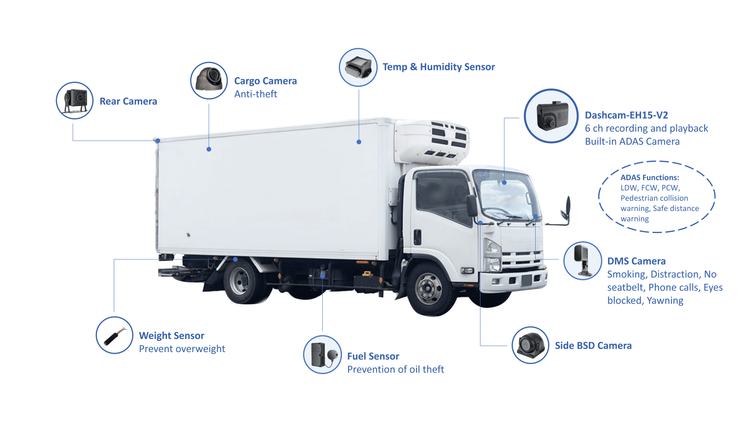
Refrigerated fleets miss time windows and spoil product for a few consistent reasons; identify which apply to your operation. If you manage refrigeration across mixed routes, start by mapping where temperature excursions, late arrivals, and mechanical downtime occur. For many operations that run perishable routes, effective cold chain fleet management relies on clear roles and reliable data — begin by confirming which failures are operational, which are technical, and which are human. Good monitoring comes from real-time sensors and layered alerts, so consider a tested refrigerated vehicle tracking setup early in your diagnostic.
Problem 1 — Temperature excursions: find the leak and seal it
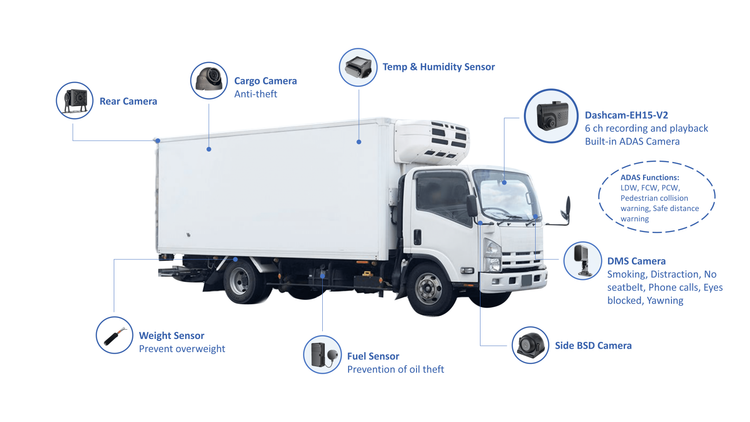
Common causes: poor door discipline, worn seals, intermittent refrigeration cycles, and incorrect setpoints. Fix them with three sequential actions: 1) Audit physical barriers: check door seals, hinges, and drain plugs; replace seals showing hardening or gaps. 2) Validate control logic: standardize setpoints for each cargo type and lock controller access with role-based codes. 3) Monitor and react: deploy continuous logging with alert thresholds (e.g., 2°C above setpoint for 15 minutes). Track each excursion to the driver, route segment, and unit so corrective training or repairs are targeted rather than generic.
Problem 2 — Mechanical failures: reduce surprises with preventive steps
Unplanned breakdowns cost routes and reputation. Implement a preventive schedule that ties calendar checks to odometer and engine-hours triggers: – Daily: pre-trip checklist covering refrigeration start-up, alarm test, and visible leaks. – Weekly: compressor belt and refrigerant pressure spot checks. – Monthly: electrical system scan and battery load test. Use a fault-code log so repeated alarms point to component replacement, not repeated repairs. Replace parts on a risk-based timeline rather than waiting for failure.
Problem 3 — Route and load planning: stop forcing refrigeration to compensate
Overloading, long dwell times, and inefficient routing amplify temperature risk. Step-by-step corrections: 1) Match trailer capacity to expected load density and airflow needs; do not stack in ways that block vents. 2) Build route windows that respect required cold times; prioritize perishable drop-offs first. 3) Add buffer time for traffic and loading; a 15–30 minute buffer prevents many excursions. Map patterns: if the same stop regularly causes issues, adjust delivery order or staging to keep product moving.
Problem 4 — Data usability: get actionable telemetry, not noise
Raw numbers mean little without context. Turn telemetry into action with these steps: 1) Define the three alerts that matter most for your team (critical temp, door-open, unit-failure). 2) Make alerts actionable: assign ownership and a standard response per alert type. 3) Build concise dashboards showing current trailer state, trend over 24 hours, and recent interventions. Centralized data reduces finger-pointing and speeds decisions.
Tech decisions: picking systems that solve, not complicate
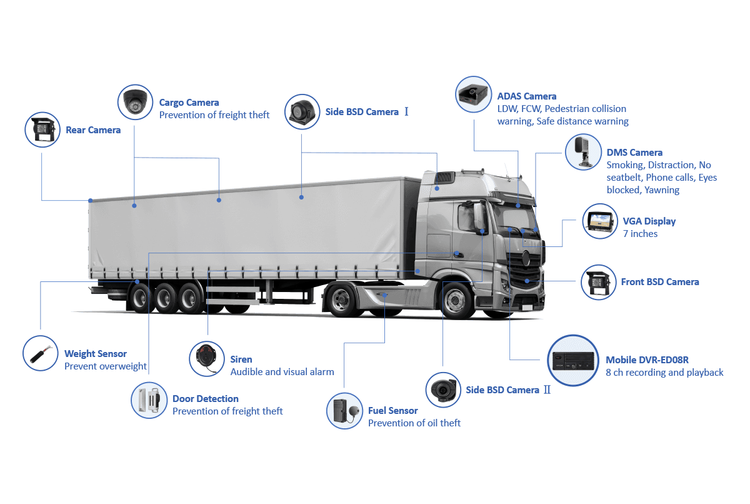
Choose tools that integrate with your workflows. Evaluate solutions on immediate criteria: ease of installation, alert accuracy, historical reporting, and open APIs for your dispatch system. Test any supplier with a short pilot on active lanes, measure false alarm rate, and confirm the system identifies both slow trends and sudden failures. From a practical standpoint, prioritize devices and platforms used in operations similar to yours and proven under real transport stresses.
Human factors and training: fix behavior to prevent repeat failures
Technology only helps if people follow procedures. Create simple, repeatable protocols: standardized pre-trip checks, clear alarm-response steps, and short skills sessions for new drivers on temperature management. Use incident reviews that focus on how process failed, not who failed. Keep checklists visible and short so they get used every day. Small behavioral fixes often eliminate recurring exceptions.
Common pitfalls to avoid
Avoid these mistakes: – Relying on ad-hoc repairs instead of replacing failing components. – Flooding operations with low-priority alerts that get ignored. – Assuming set-and-forget for controller settings after loading. – Buying technology based on feature lists rather than measured field performance. Each pitfall causes wasted time; measure fixes by tracking reduction in excursions and unplanned downtime.
Evidence from practice and a single real-world anchor
From seven years managing refrigerated fleets in California’s Central Valley I learned that small steady issues — a bent hinge, a loose clamp, inconsistent driver handling — produce most spoilage. Fixes that combined practical maintenance, short operator training, and consistent telemetry reduced product loss and simplified operations.
Putting fixes into a rollout: a simple step-by-step plan
Follow these phases to stabilize operations: 1) Diagnose: run a two-week telemetry audit to quantify failures. 2) Triage: prioritize the top two failure types and assign owners. 3) Correct: implement mechanical fixes and update setpoints. 4) Monitor: enable the three critical alerts and verify response times. 5) Institutionalize: update SOPs, schedule preventive maintenance, and train staff. Repeat diagnostics quarterly and adjust thresholds as routes or cargo types change. Expect measurable improvement within one operational cycle.
Final synthesis
Addressing refrigerated fleet problems requires focused diagnosis, prioritized fixes, and tools that surface meaningful signals. When maintenance, route planning, human behavior, and telemetry are handled in sequence, spoilage and downtime drop. Practical solutions and steady iteration create reliable cold logistics, the kind I learned to build while running seasonal routes; integrating those practices into a unified system helps operators move from firefighting to steady performance with the technologies and support that firms such as BSJ design for cold transport needs.