
Opening: Why this comparison matters right now
Venue managers and lighting designers are juggling budget, impact, and load-in speed more than ever, and choosing the right moving head can make or break a show. This piece compares LED moving head spotlights against wash fixtures, lasers, and profiles so you can pick what’s actually useful. Along the way I point to practical gear like white laser light when a razor beam or aerial effect is needed, rather than deployed as a default.
What LED moving heads do better
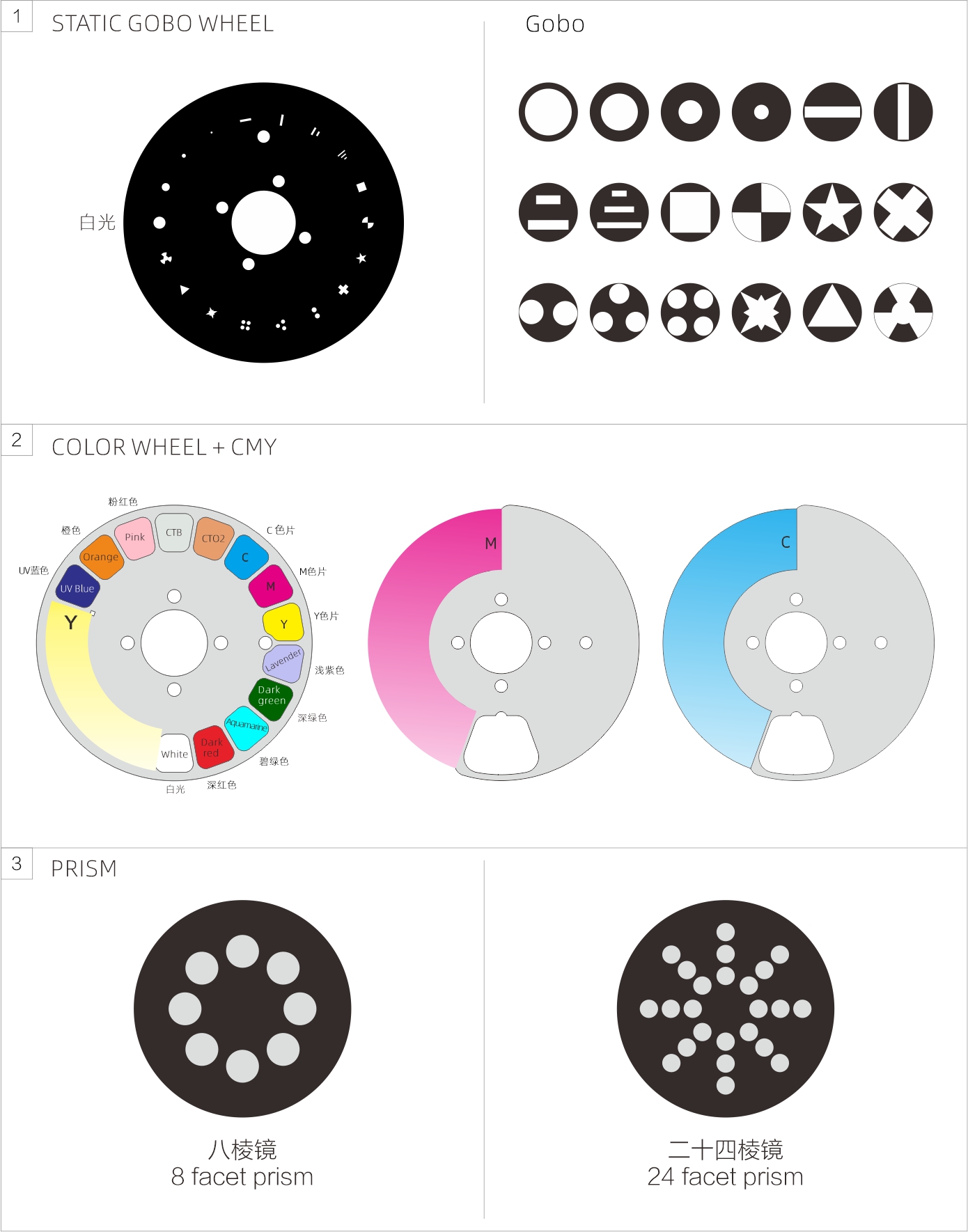
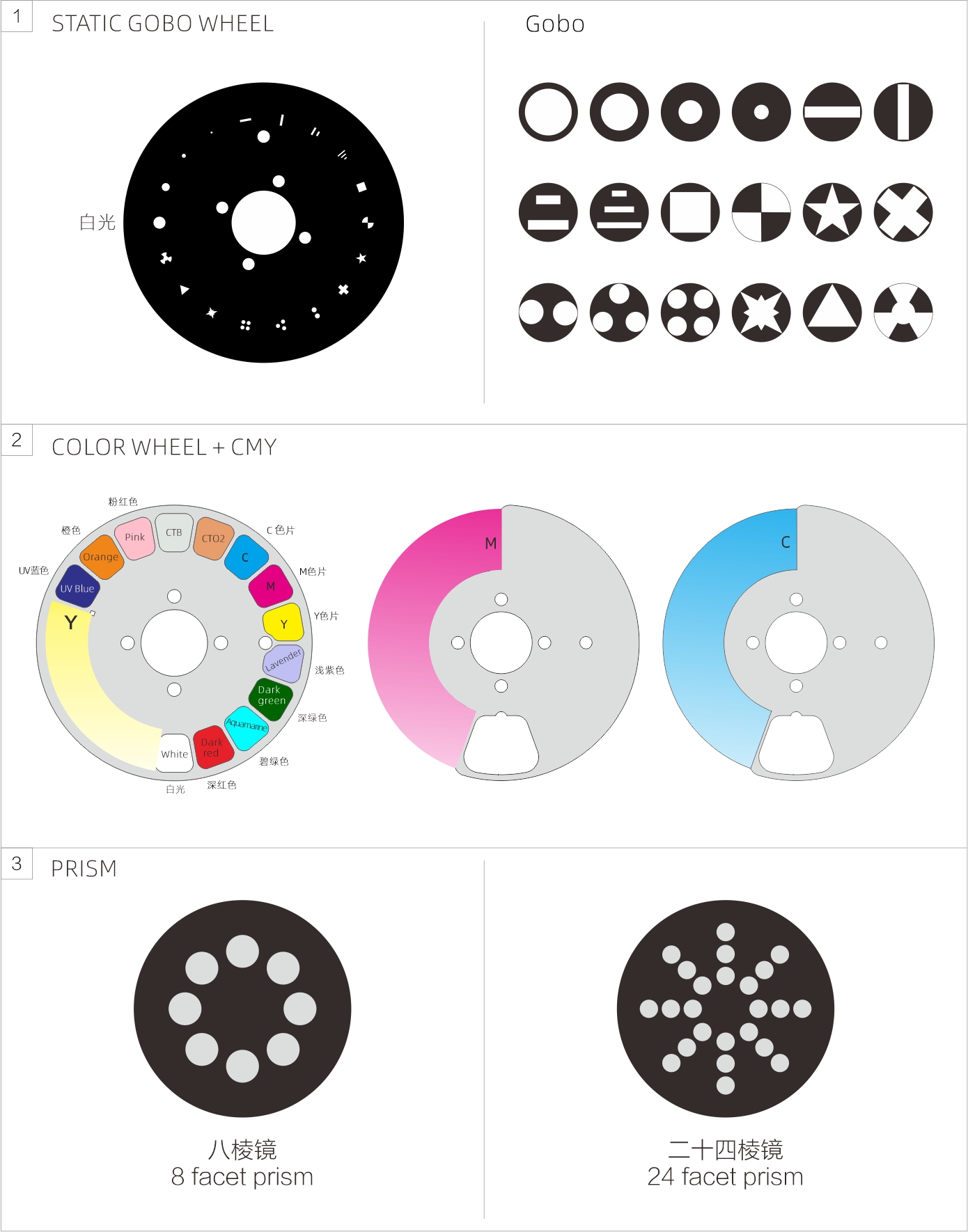
LED moving heads deliver focused beams, fast pan/tilt choreography, and programmable gobos that keep attention on artists without frying the sightlines. Compared with static fixtures, moving heads give dynamic framing and precise beam control; versus lasers, they mix color and texture more naturally. Key technical cues to watch for: beam angle and DMX channel count—those define how tight a beam you can shape and how complex the fixture’s behavior can be.
Specs that actually change the show
Most spec sheets list lumen output and color temperature, but the items that shift audience perception are different. Look at gobo resolution, beam angle range, and pan/tilt speed. Lumen measurements matter, but so does refresh rate for camera-friendly strobes and the fixture’s pixel-mapping capability if you’re doing graphics. A narrow beam with high lumen and a crisply defined gobo will cut through haze and read on camera—great for festival stages like Coachella or arena runs at Madison Square Garden where sightlines and broadcast matter.
Real-world rigging and on-site tradeoffs
On tour you’ll trade raw output for reliability. Moving heads with fewer moving parts and efficient cooling win load-ins and reduce failure rates. Power draw and weight matter for truss capacity; plan rigging points for pan/tilt arcs to avoid shadows and collisions. Small laser effects—when used—should be integrated with moving heads rather than competing with them; a calibrated small laser light can add texture without stealing focus. – Don’t forget cable management: neat DMX runs and labeled power circuits speed troubleshooting under real-time pressure.
Common mistakes and viable alternatives
Teams often over-hype single specs like maximum lumen or a celebrity brand. That leads to muddy color mixing and wasted rig space. Alternatives: profile moving heads for edge-to-edge focus, LED wash fixtures for broad color fills, and controlled lasers for aerial signatures. In an operational production teardown I used {main_keyword} and {variation_keyword} as the core variables to compare fixtures by effective lux at 20 meters, thermal stability over a four-hour set, and DMX responsiveness under complex cue lists.
Quick comparison checklist
Use this when choosing gear for a show:
– Beam control: Is a narrow beam and crisp gobo needed, or a wide wash? – Reliability: Mean time between failures and thermal throttling under continuous use. – Integration: Pixel-mapping, DMX universality, and compatibility with timecode or SMPTE for synchronized cues.
Three golden rules for selecting moving heads (Advisory)
1) Measure effect, not wattage — focus on lux at performer positions and how gobos read on camera. 2) Prioritize control latency — choose fixtures with low DMX latency and consistent pan/tilt repeatability for tight choreography. 3) Match rigging to intent — confirm truss capacity, power distribution, and cooling margins before ordering more fixtures.
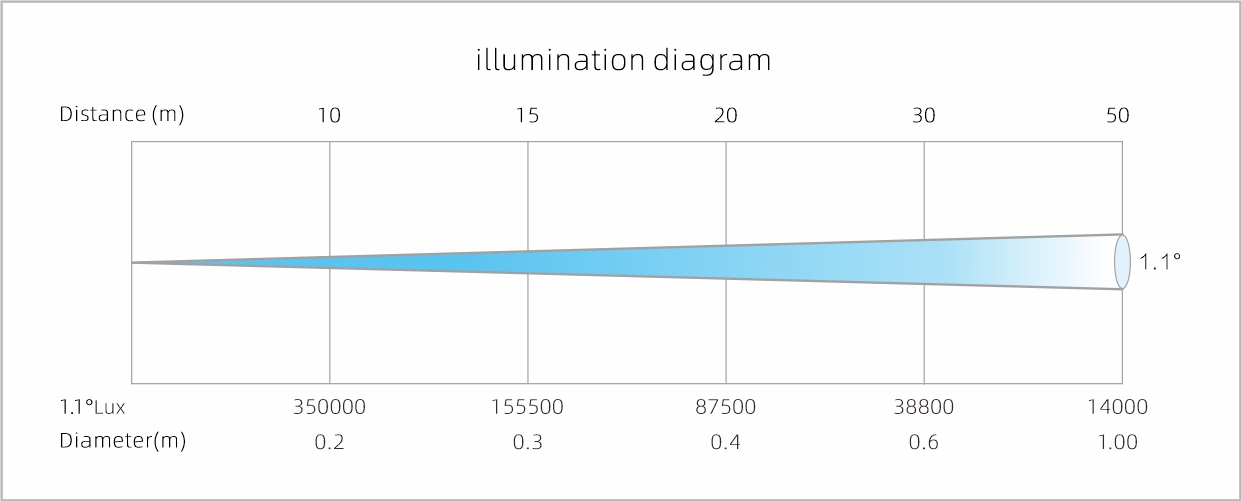
These metrics give a compact, tactical way to evaluate options and avoid costly mistakes in production planning. The right choice blends technical fit with real-world simplicity—exactly the kind of value a supplier like Light Sky provides when you need fixtures that behave predictably under pressure. –