
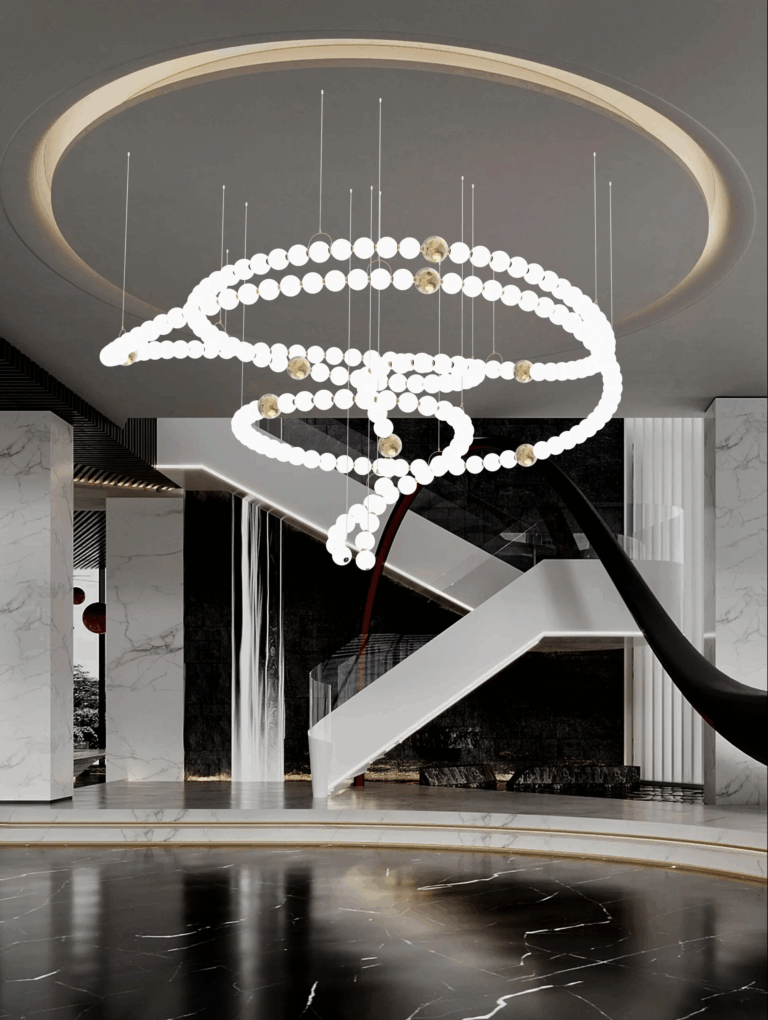
Why Comparative Optimization Matters Now
Define the system first, then scale it. That is the only way multi-site lighting stays on time and on budget. A decorative light supplier steps in when a chain opens ten stores or a hotel refreshes three floors across two cities. In that scenario, small gaps become big delays: mismatched drivers, wrong IP rating for wet zones, or lumen drift between batches. Data shows it clearly: 20–30% of rollouts slip due to spec variance, and rework can add 8–12 weeks. So ask the hard question early: do your specs behave the same way in every site condition, from 110V to 277V, from dry lobbies to humid spas?
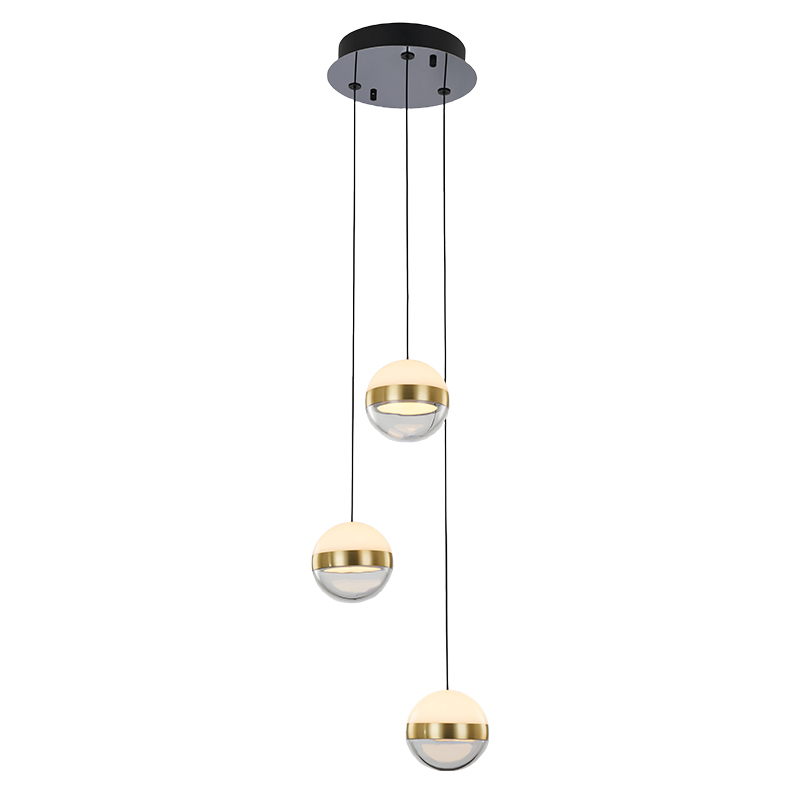
Comparative thinking helps. Test one spec across several site types, compare failure modes, then normalize the bill of materials. Use simple guardrails: driver topology, thermal management limits, and target lux values by zone. Bring in digital sample tracking and batch-level QA. Short, clean loops. Add a small buffer for power converters and dimming protocols to avoid noise on the line. Build a playbook you can repeat—funny how that works, right? Next, we examine why the old way breaks under real pressure, and how to fix it at the root.
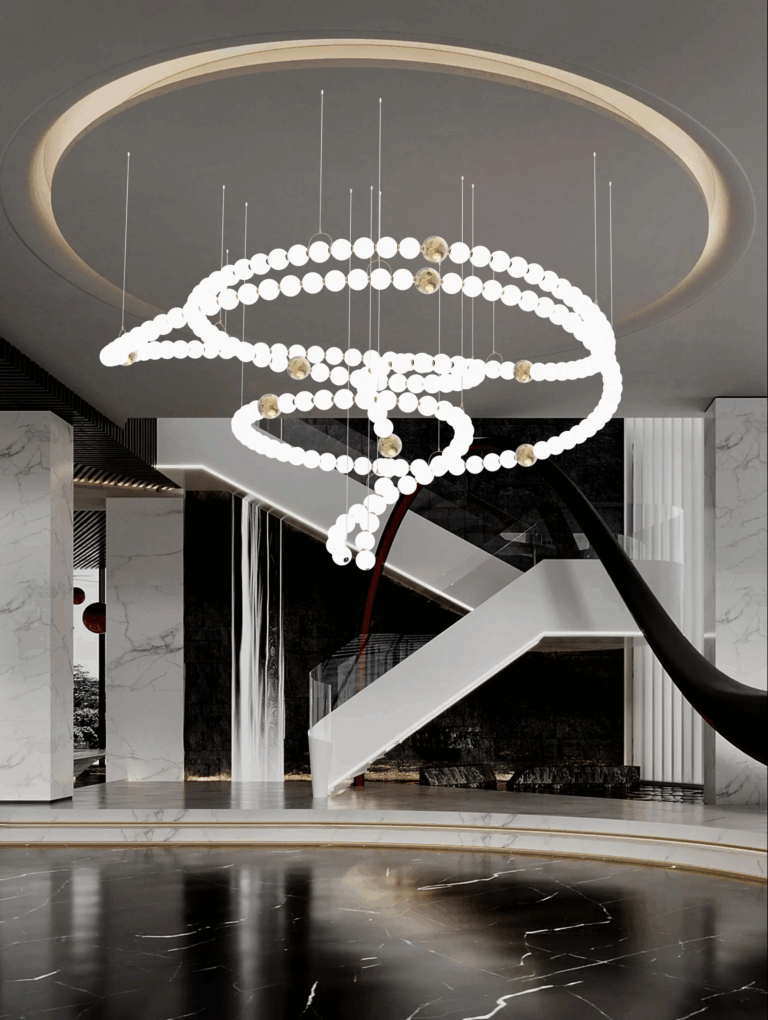
The Hidden Flaws in Traditional Sourcing
What breaks in the old model?
Teams often start with catalogs, not constraints. When rollouts hit speed, the cracks show. Early quotes ignore site voltage diversity, fixture heat loads, and dimming behavior. When teams turn to bespoke lighting manufacturers at the last minute, they expect miracles. Yet the issue is upstream: specs lack cross-site rules. Without a unified driver map and verified PWM dimming curves, the same pendant can flicker on one floor and strobe on another. Compliance also slips. UL listing is assumed, not proven per variant. And DMX512 gets added for a bar scene without checking grounding—then the bus gets noisy.
Hidden pain lives in the BOM. Finish options multiply, SKUs fork, lead times balloon. Field teams install adapters to “make it work,” which burns future hours. Look, it’s simpler than you think: standardize the driver families, pre-approve heat sinks, and lock optical packages by application class. Add spare power converters only where needed, not by habit. Tie all that to a clear change-control path. The irony: one disciplined ruleset shortens design time and cuts rework—yet it feels slower at the start. That first week of rigor pays back every install window that follows.
New Principles: From Spec to Site in One Flow
What’s Next
Shift the model. Use new technology principles that make every site predictable. Start with a parametric spec: one core fixture, with controlled options for voltage, IP rating, and lumen package. Then link a rules engine that assigns drivers by region and load, and simulates heat under worst-case ambient. Add edge computing nodes only where controls demand them, and isolate DMX512 gateways to keep the bus clean. A capable decorative lights company can expose these rules in a digital twin, so your team tests behavior before metal is cut. Short runs, fast feedback, fewer surprises—and no, this is not rocket science.
Real-world impact looks like this: a hospitality brand aligns three pendant families to one driver topology and a shared QA protocol. Lead time variance drops by half. First-fit rate climbs above 95%. Batch-level color tolerance holds across floors, so photos read consistent. We compared this to the legacy approach and saw fewer site RFIs, tighter commissioning, and cleaner maintenance handover. To choose partners and tools, use three metrics: 1) compatibility rate across voltages and dimming (target >98% without field fixes); 2) lead time stability (variance <15% month to month); 3) install-first-fit rate per site (≥95% with zero on-site reengineering). Keep the process calm, the data visible, and the fixtures honest. That is how comparative optimization becomes daily practice with kinglong.