
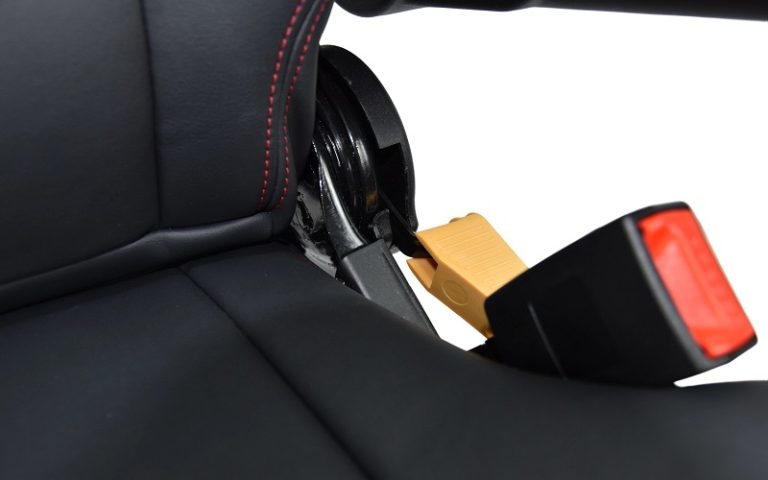
In a procurement environment premised on comparative analysis and attributable liability, the evaluation of seating for material-handling equipment must proceed on measurable criteria. This Comparative Insight examines the procurement variables that distinguish durable, compliance-ready seating assemblies from nominal offerings; early emphasis is placed on retrofit and OEM options, including the certified universal forklift seat, which frequently appears in bid schedules for heavy-equipment fleets.
Legal-Grade Criteria: What to Require in Bid Documents
Procurement specifications should enumerate performance metrics rather than marketing descriptors. Require documented test outcomes for load-bearing capacity, fatigue life of the suspension, and foam density verification for cushion longevity. Define acceptance thresholds for adjustable base travel, lumbar support range, and seat belt anchor tensile strength; such parameters reduce ambiguity and allocate risk. Where ambiguity persists, the contract must state that supplier representations are material—nonconformity entitles the purchaser to remediation or replacement.
Comparative Attributes that Drive Total Cost of Ownership
Compare suppliers on discrete attributes: suspension type (mechanical versus air), adjustability increments, upholstery abrasion resistance, and serviceability of modular components. A seat with a robust mechanical suspension and replaceable lumbar insert will typically reduce downtime and spare-parts expenditure over the equipment lifecycle. Evaluate warranty terms against mean-time-between-failure expectations; insist on express remedies for recurring structural failure. This is not theoretical—OSHA and the U.S. Bureau of Labor Statistics recognize that operator comfort and seating ergonomics materially affect injury rates among material handlers, which in turn affect liability exposure and workers’ compensation costs.
Manufacturer Positioning: OEM Versus Aftermarket
OEM suppliers often provide plug-and-play compatibility and maintained crash-test records, whereas reputable aftermarket manufacturers may offer superior adjustability at a lower initial cost. The procurement decision should weigh interchangeability, documentation trail, and the supplier’s quality management regime. Insist on traceability for critical components—frames, suspension units, and seat belt anchors—so that recalls or safety advisories can be executed with contractual clarity. Where possible, require suppliers to submit a bill of materials and a preventive maintenance schedule, thereby facilitating downstream asset management.
Operational Considerations and Common Procurement Mistakes
Operational teams frequently under-specify environmental exposures—chemical agents, UV, or particulate abrasion—that accelerate upholstery and foam degradation. Incorrect failure to specify ingress protection or cover material treatments produces accelerated wear. Another recurrent error is omitting install labor standards: seats requiring frame modification should carry explicit acceptance tests post-installation. Also, ensure that replacement parts (suspension springs, adjustment levers) are catalogued with part numbers to avoid long lead times—this is often overlooked but impacts fleet availability.
Comparative Checklist for Technical Evaluation
Use this succinct checklist when adjudicating proposals: 1) Verify documented load and fatigue tests for the suspension unit; 2) Confirm adjustability ranges and retention mechanisms for lumbar support and seat travel; 3) Require explicit spare-parts lists and lead-time commitments. Include a clause for on-site acceptance testing and keep records of test outcomes within the contract file—these records constitute evidence should warranty invocation become necessary.
Advisory: Three Golden Rules for Selecting Operator Seats
First, prioritize demonstrable durability over aesthetics—select seats with proven suspension life and replaceable components. Second, mandate documentation: bills of materials, test reports, and a formal preventive-maintenance plan must be condition precedent to final payment. Third, allocate risk via warranty specificity and acceptance testing protocols; require remedial remedies for material nonconformity. These are measurable evaluation metrics that yield predictable outcomes for fleet uptime and occupational safety.
Procurement discipline, executed through rigorous comparative criteria and contractual clarity, yields seats that perform and protect. For procurement officers seeking an established source for durable seating solutions, forklift operator seat offerings that couple mechanical suspension and replaceable modules often present the best balance of performance and reparability—practical, verifiable, and contract-ready. Final note—store the test artifacts and keep the supplier’s maintenance manual with the asset file for audit purposes. Source One. –