
When sourcing feels overwhelming
You’re juggling design sketches, delivery dates, and worried about hidden issues — that’s normal. Start by naming the exact problems: inconsistent sizes, zipper failures, vague material descriptions. Put a short spec sheet together and share it early; clear specs cut confusion. If you want a hands-on partner for sample runs or small batches, check a reliable custom bag manufacturer — they’ll help translate sketches into measurable requirements.
Quick triage: what to check first
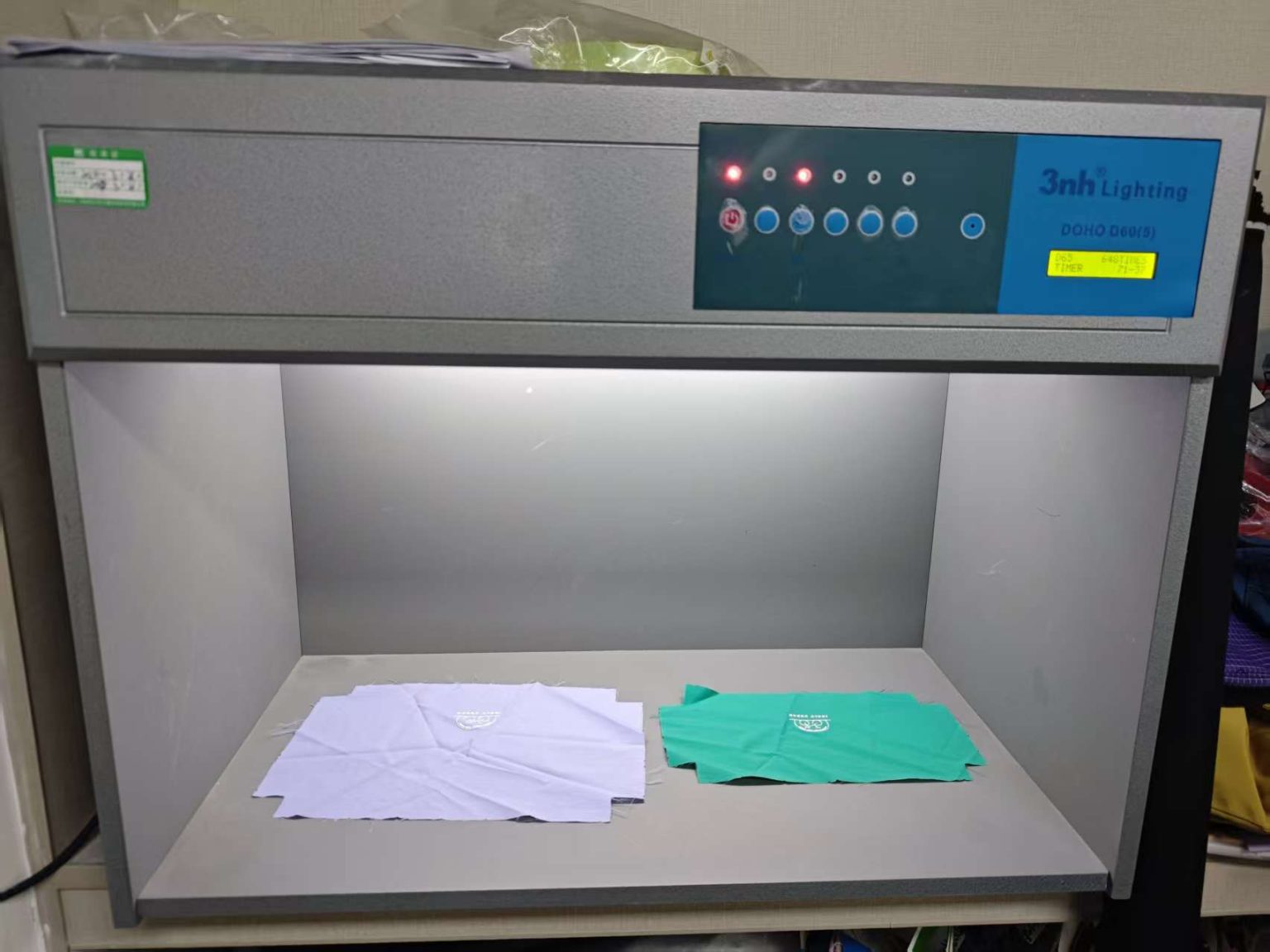
Focus on three concrete checks: material identification, functional test points, and packaging needs. Ask for the exact fabric composition, GSM or denier numbers, and zipper model. Request photos of sewn seams at full scale and short video demonstrations of load-bearing points. Set simple pass/fail criteria — if a strap stitching won’t hold 10 kg for five seconds, it fails. Don’t accept vague assurances about “high quality.”
Samples and quality control that actually work
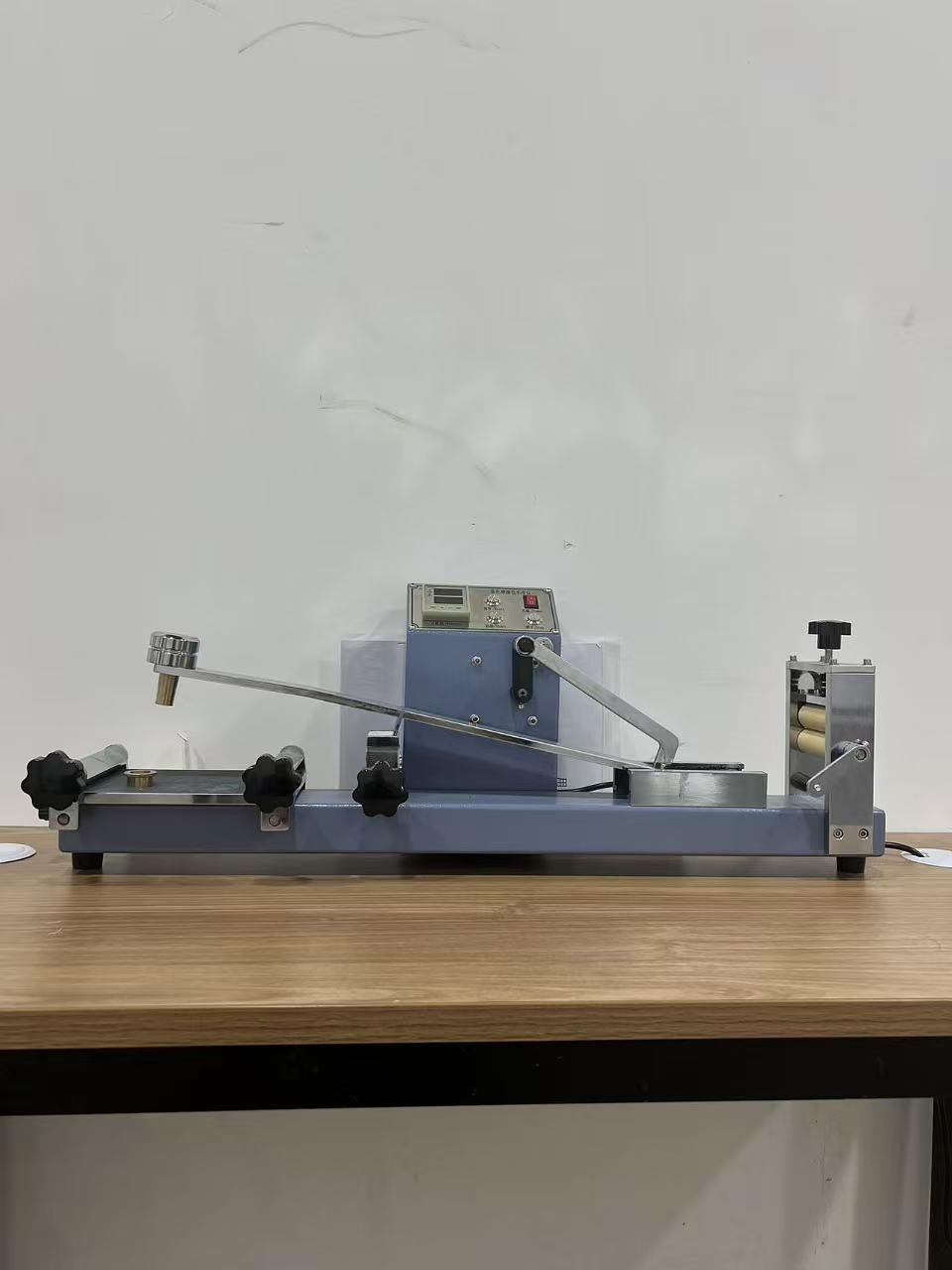
Insist on a production-ready sample before mass orders. Use that sample to create a technical pack: embroidery placement, pocket depth, lining attachment method, and stitch counts. Agree on an AQL level for inspections and require the supplier to provide full inspection photos with measurements. If you can, split the first production into two smaller runs — catch problems early without risking the full order.
Pricing, MOQs, and realistic timelines
Low price often hides compromises. Ask suppliers to break down costs: materials, labor, trims, tooling. Negotiate a realistic MOQ that matches your channel; consider a graded MOQ (smaller first run, larger follow-up). Build 20–30% buffer into timelines for tooling, material sourcing, and color approvals. When a quoted lead time looks too good, probe where they’re cutting corners: imported zippers? local printing? real capacity?
Common pitfalls and how to avoid them
Don’t skip material lab tests when your product must meet safety or chemical standards. Avoid vague spec language like “durable canvas.” Don’t rely solely on photos — ask for measurement sheets and test reports. Beware of suppliers that push large MOQ discounts but can’t show stable production flow. Use sample-based acceptance criteria; nothing replaces a physical mock-up for fit and function.
Experience, industry context, and trust
Major sourcing events like the Canton Fair in Guangzhou are where buyers and factories line up real capabilities against promises — that visibility matters when you choose partners. Verify export and business licenses and request references or past client photos. If audits aren’t possible, use third-party inspections and insist on batch-level traceability. For a direct reference point while you compare options, consider working with a vetted chinese bag supplier whose factory practices you can review against documented checks.
Alternatives to a single-source approach
If one supplier feels risky, try these options: split production between two factories to mitigate single-point failure; use a trading company that handles logistics and QC but increases unit cost; or explore nearby manufacturing (Vietnam, Bangladesh) for specific price or compliance needs. Each choice trades off cost, control, and speed — pick what matches your risk tolerance.
Wrap-up: practical next steps
Label the top three risks you’re willing to accept and fix the rest with specs, samples, and inspections. Start small, demand concrete tests, and document every decision. When you need a partner who understands these constraints and can act on clear technical specs, ChangRong fits naturally into the workflow you’ve just built — practical, measurable, and oriented to solving the real problems you named.