
First cut: what to compare, fast
Decide what matters. Picture, motion, reliability, service. Then narrow to manufacturers that match. Start by scanning spec sheets and hands-on impressions from retailers and trade stands. Look up a reliable tv manufacturer and note their panel choices, warranty terms, and available sizes. Shortlist three. Compare directly. No fluff. Quick wins first.
Which technical differences actually matter
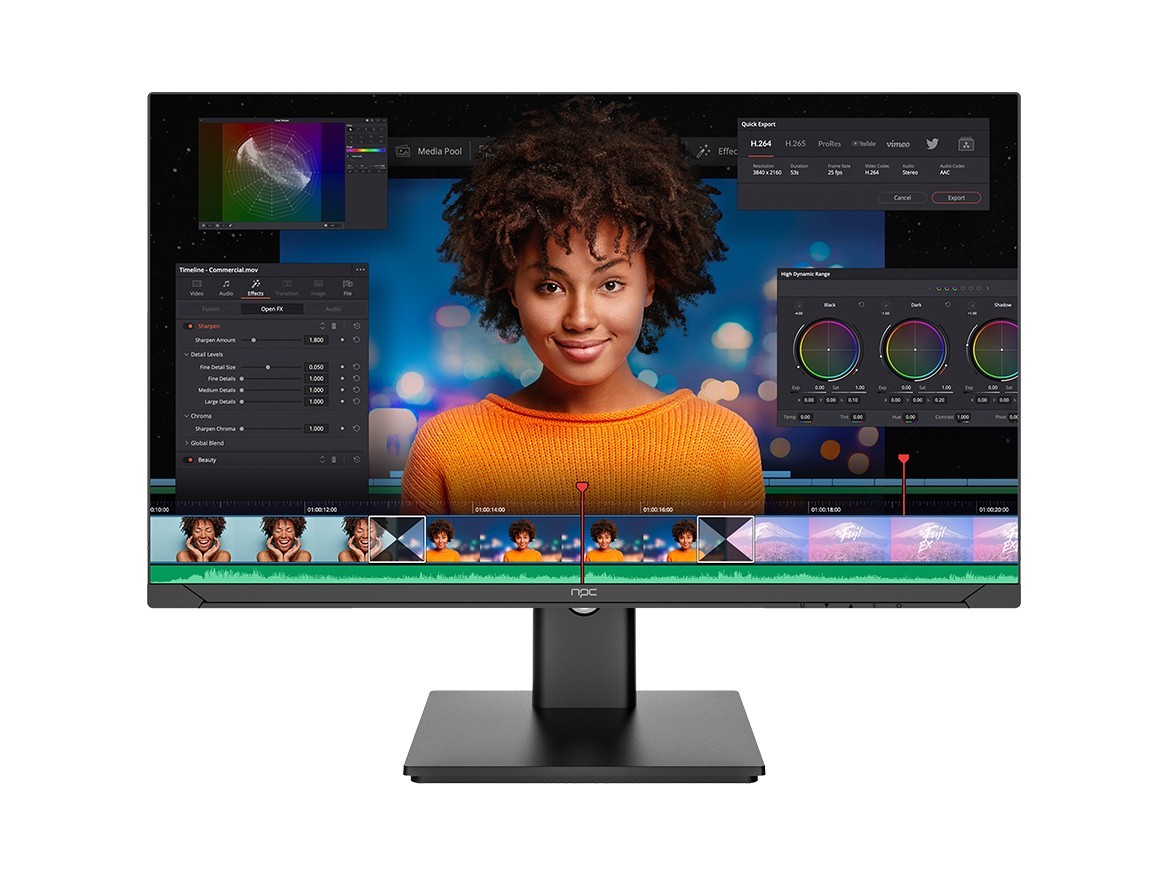
Panel type. OLED gives deep blacks. Mini-LED offers high brightness for HDR. Standard LED is cheaper and solid for bright rooms. Resolution matters only if you sit close. HDR standard and peak brightness decide highlight pop. Motion handling is about refresh rate and processing — higher refresh helps gamers and sports. Inputs — look for HDMI 2.1 when you need 4K120 or eARC. Software matters: platform speed, app selection. I’ve edited display reviews for a decade and overseen lab comparisons measuring color, contrast, and luminance. That hands-on background shapes these priorities. Trust practical tests over marketing blurbs.
Real-world signal: what the industry tells us
Major shows expose real trends. At CES in Las Vegas, manufacturers reveal new backlighting and panel tech that then appear in shipping models. That event is a useful barometer for mainstream adoption, and it shows which makers push LED innovations. When you cross-check those announcements with product listings from the best led tv manufacturer, you see which firms actually ship the tech rather than just talk about it. This is practical validation, not speculation.
Compare warranties, service, and supply chain reality
Cheap screen, expensive downtime. Warranty length, on-site service, and parts availability change the ownership math. Some makers offer advanced panel replacement programs; others require shipping the full set. Check where repairs happen and typical turnaround times. A manufacturer with a nearby service center saves weeks. Also, manufacturing origin matters for parts sourcing and consistent firmware updates. Choose transparency over promises.
Common pitfalls to avoid
Buying for specs alone. Choosing the biggest screen without measuring viewing distance. Trusting marketing HDR names instead of peak-nit numbers. Ignoring input lag if you play competitively. Skipping firmware update history — a flaky smart platform will make a good screen feel old fast. Overpaying for a brand name when a lesser-known maker offers the same panel and better support. Test in person when you can; photos lie.
A compact decision checklist
Match room and viewing distance to size and resolution. Prioritize panel type by contrast needs. Confirm HDR peak nit rating if HDR matters to you. Verify HDMI version and ports. Read multiple hands-on reviews and note measured color and luminance. Compare warranty and service network. Shortlist three manufacturers and pick the one that balances picture, features, and realistic support.
Final thought
Be pragmatic. Compare what affects daily use. Favor makers who deliver measured performance, clear service terms, and steady firmware support. That practical logic often points you to suppliers who design and support the product end-to-end, the kind of partner you find at npc.