
Starting point: what “multi-channel” really buys you
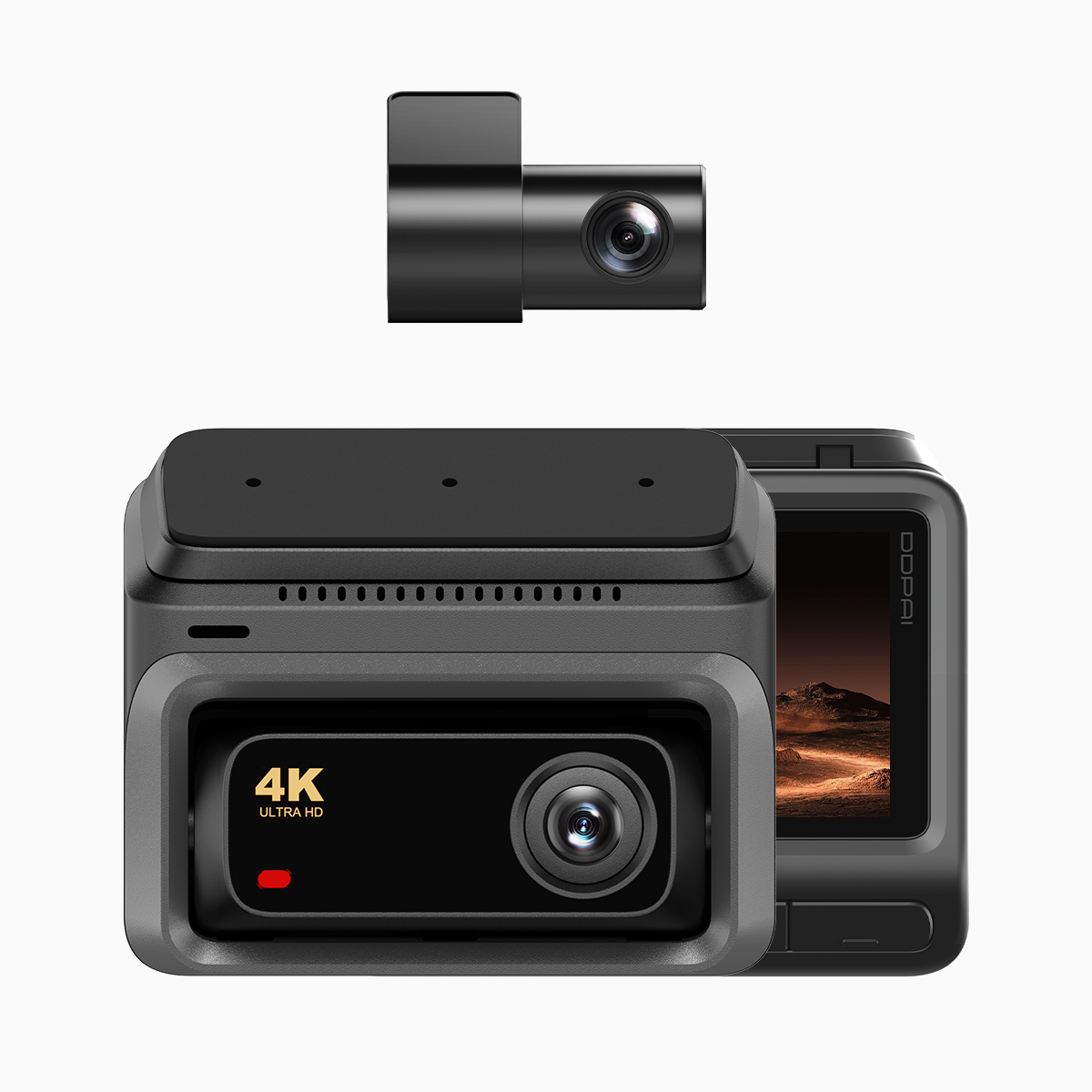
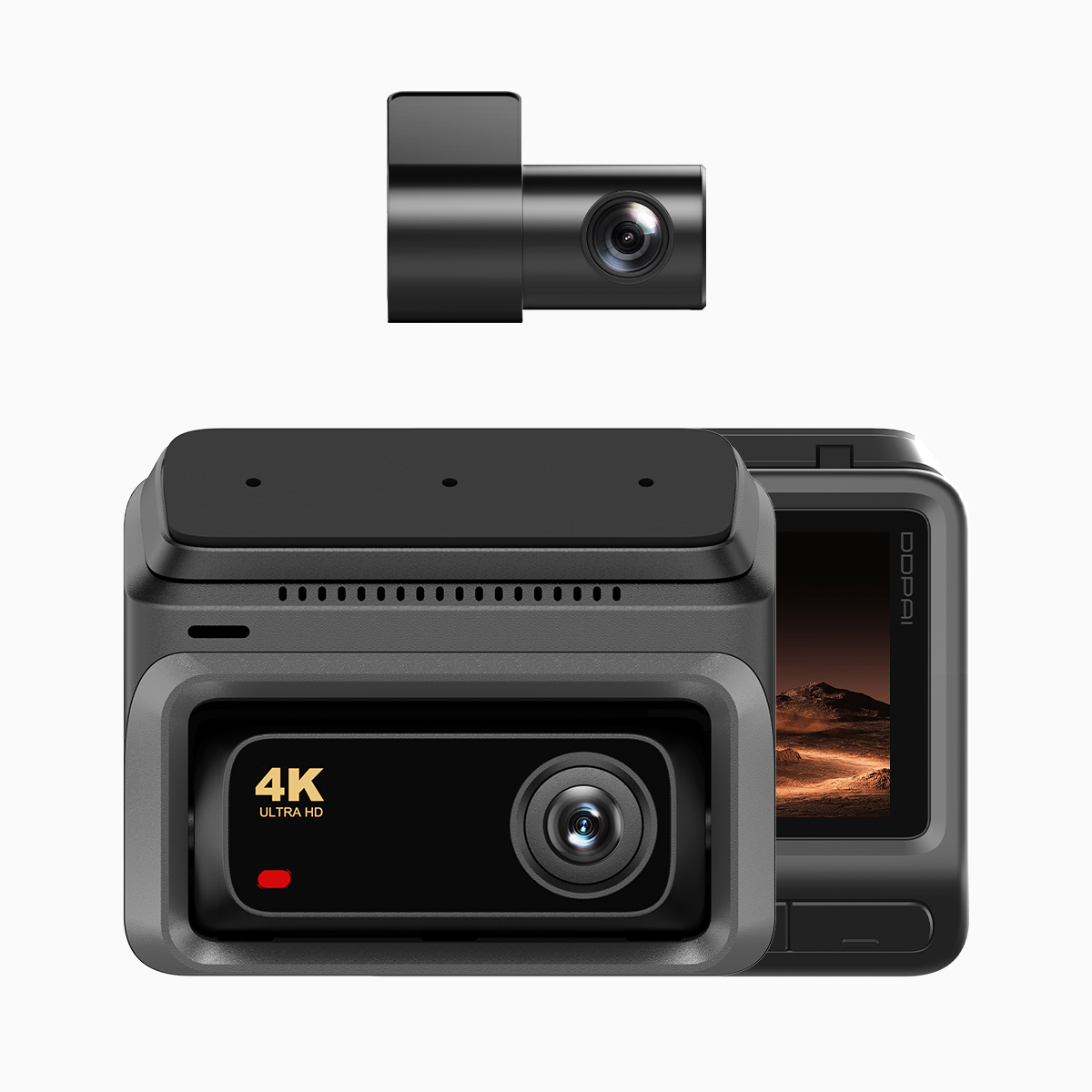
Most drivers know a cheap single-lens camera covers the road ahead. What they don’t always see is how much value a multi-channel topology adds — front and cabin feeds, plus optional rear coverage — especially when paired with a reliable 4g dash cam. From clearer 4K evidence to simultaneous cabin recording for passenger disputes, the comparison is about more than resolution; it’s about complete context and faster incident resolution.
On-the-ground reality in Metro Manila
Daily gridlock in Metro Manila means more close calls, more claims, and more scrutiny from both platforms and insurers. Drivers end up needing footage that’s timestamped, synchronized across channels, and easy to share. That’s where dual-channel or multi-channel setups outperform single-lens units: synchronized front-and-cabin footage gives a full story instead of fragments. Industry terms: bitrate and parking mode become practical tools here — higher bitrate improves image clarity in low light, and parking mode keeps an eye when the car is parked.
How DDPAI’s topology differentiates itself
DDPAI’s approach mixes hardware design with reliable connectivity. Their systems often support simultaneous 4K front capture while keeping a cabin or rear feed active. Add LTE or robust cloud upload options and you can push clips off-device in near real time — useful for drivers who need evidence while still on shift. In practice, that means fewer disputes dragged out for days and faster settlements when incidents occur.
Comparing costs, installs, and common mistakes
Budget single-channel cams feel attractive upfront but miss key features: inadequate night performance, no synchronized timestamps, and limited storage strategies. Multi-channel installs cost more and require better cable routing and power management — but skimping on bitrate or ignoring thermal specs is where most people fail. Install badly, and you get dropped frames or corrupt files — not the footage you need. Take the time to balance bitrate, storage capacity, and cooling; it pays off in reliability.
Alternatives and when to pick them
Not every driver needs full multi-channel redundancy. Solo drivers on short city trips might be fine with a high-quality front-facing unit. Fleet operators, full-time rideshare drivers, and those who transport valuables or ride with higher passenger turnover benefit from multi-channel plus cloud upload. If continuous monitoring matters, go for units that support both local microSD and remote upload — a true dash cam with cloud storage gives peace of mind and proof that can’t be lost in a smashed device.
Practical setup tips that actually work
Keep things simple: position the front camera for license-plate clarity, angle the cabin camera so faces are visible without invading privacy, and enable parking mode with motion detection. Use a high-quality microSD and enable periodic cloud backups when possible. And don’t forget firmware updates — they fix bugs and improve stability. Small choices here change whether footage is admissible and usable, not just pretty.
Real outcomes: what operators can expect
Adopting a multi-channel DDPAI topology lowers dispute time, reduces false claims, and improves driver ratings when issues are resolved quickly. Drivers report fewer platform penalties when they can supply synchronized footage; insurers respond faster when the chain of custody is clear. These are measurable wins: clearer footage, faster uploads, fewer lost claims.
Closing — three golden rules for choosing the right setup
1) Prioritize synchronized multi-channel recording and adequate bitrate so footage is clear in all lighting. 2) Insist on redundant storage: on-device microSD plus reliable cloud upload — this avoids single-point loss. 3) Choose a vendor with local support and tested installs so thermal throttling and power wiring aren’t guesswork. Follow these and you’ll cut dispute time and protect earnings.
For Filipino rideshare operators who need a pragmatic, proven solution, DDPAI’s topology ties those rules together — reliable hardware, multi-channel evidence, and sensible cloud features delivered with local support via DDPAI Philippines. —