
Early signs: real site moments, real numbers, real questions
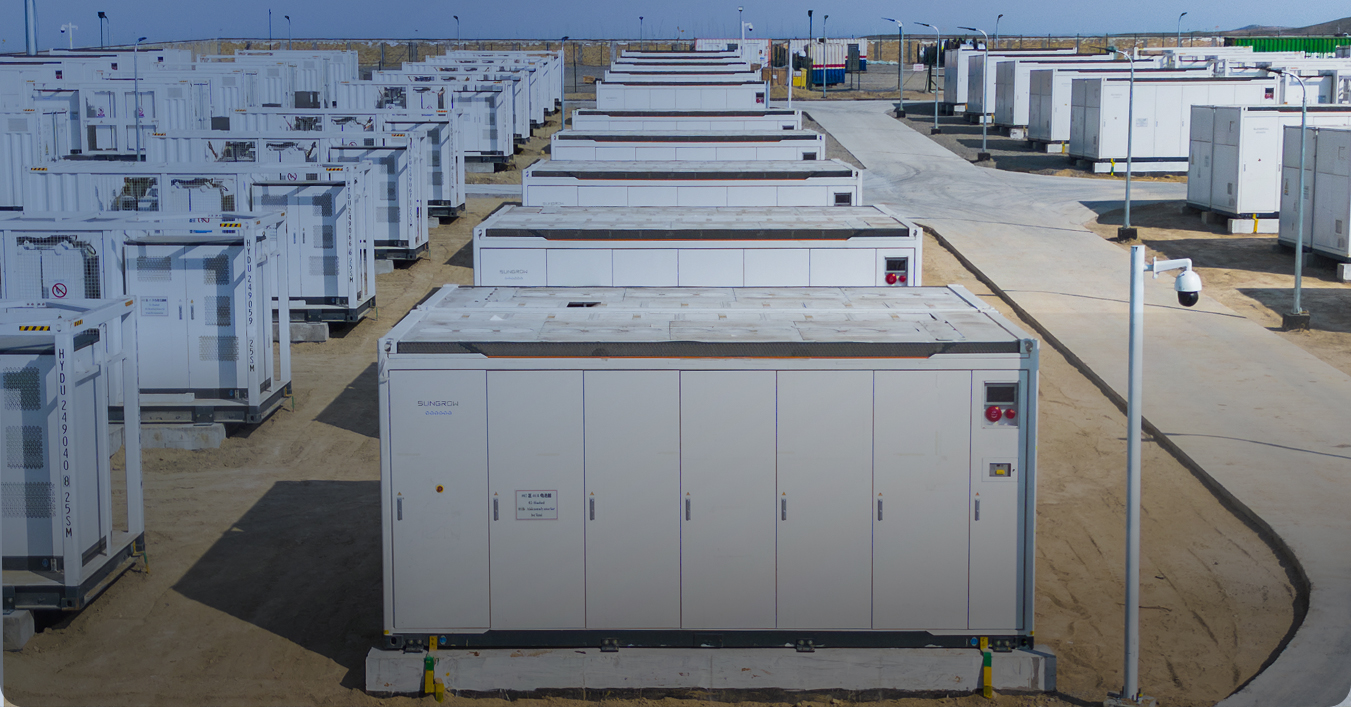
During a February 2021 site visit in West Texas I saw a ground-mounted array with 50 MW/200 MWh capacity sitting idle—50 megawatts, measured and delivered; why was the plant not serving the dispatch? utility scale battery storage had been procured, installed, and commissioned, yet it failed to provide the expected grid services. I have worked on dozens of such projects and I now focus on Utility Energy Storage solutions because the pattern repeats: the hardware is often fine but the integration and operational assumptions are not. The anecdote is simple but telling (and yes, you know, it bothered me a lot). In this section I explain the traditional solution flaws that cause delayed revenue, strained warranties, and frustrated stakeholders—so we can move on with purpose.
Diagnosis: hidden pains beneath the surface
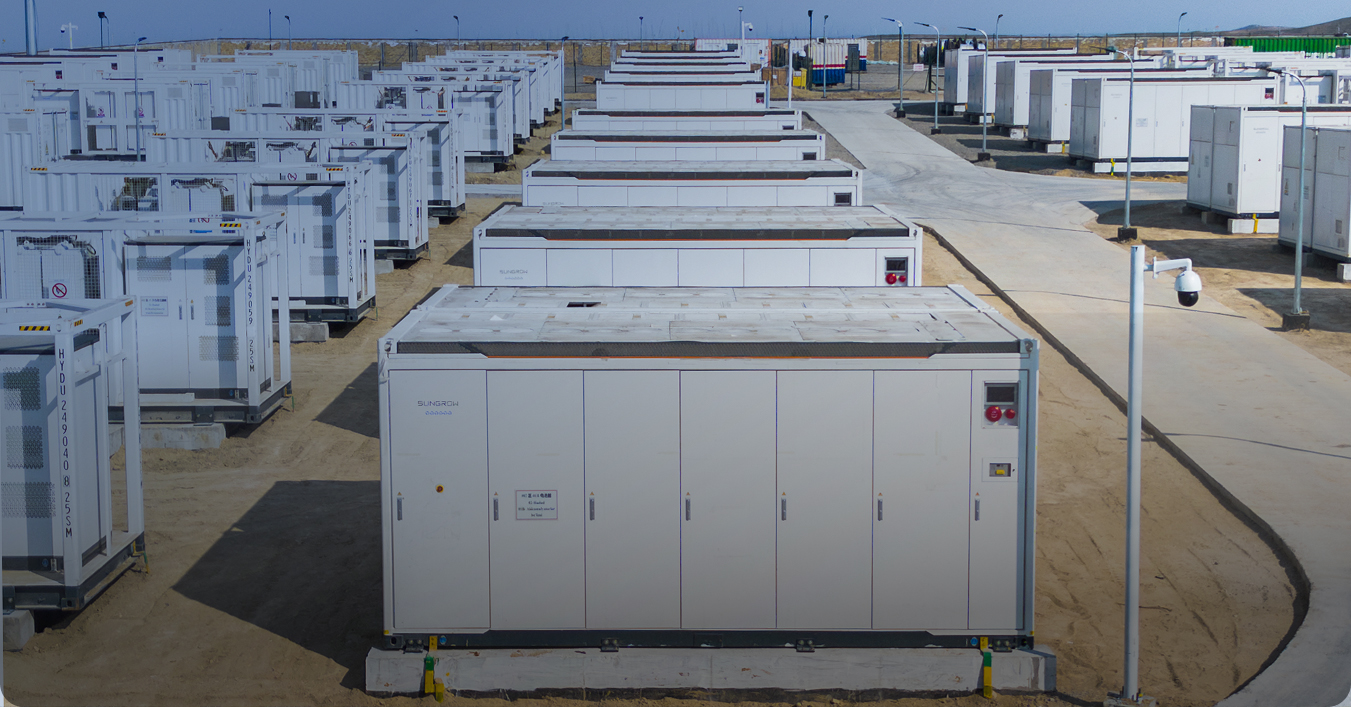
I vividly recall that project’s commissioning log: repeated inverter trips, unexpected state-of-charge limits, and a BESS control mode tuned for a different tariff structure. Those are the hidden user pain points: mismatched control strategies, underestimated thermal management, and optimistic cycle life projections. I learned that the procurement spec listed lithium-ion cells and an SCADA interface, but omitted clear operational scenarios (frequency response vs. peak shaving) and measurable acceptance tests. As a result, the plant missed capacity payments for three months and the owner faced liquidated damages—roughly $120,000 in lost revenue. I will not pretend this is a rare occurrence. These technical failures are rarely about the battery chemistry; they hinge on system-level details: inverter settings, BMS-software handshakes, and realistic depth-of-discharge planning. This leads us to consider how projects should evolve—next, I present a forward-looking approach to fix these gaps.
Forward-looking fixes: how I would redesign the process
When I advise a developer today, I insist on scenario-based commissioning, extended factory witness tests, and a staged acceptance that aligns with grid code and market products. We design for both energy arbitrage and ancillary services, and we test the BESS under continuous full-power cycling to validate cycle life claims. A practical example: on a 30 MW project I led in June 2022 we ran a 72-hour continuous soak test at 80% depth of discharge—this revealed a thermal throttling point that the vendor had not documented. We corrected the thermal loop before commercial operation. The lesson is concrete: test the real use-case, not the textbook use-case. (Also, insist on detailed inverter firmware notes and BMS event logging.)
What’s next for operators?
Looking ahead, I favor modular procurement, clearer performance guarantees, and contractual language that ties payments to validated performance metrics. I also recommend integrating advanced telemetry for fault-forensics—fast sampling helps when an inverter or BMS issues a transient fault. In practice, that means budget for high-resolution logs and a plan for remote diagnostics. I will be candid: this raises initial cost, but it reduces downtime and contentious warranty claims. —Small extra spend, big operational peace of mind.
Three metrics I use when recommending solutions
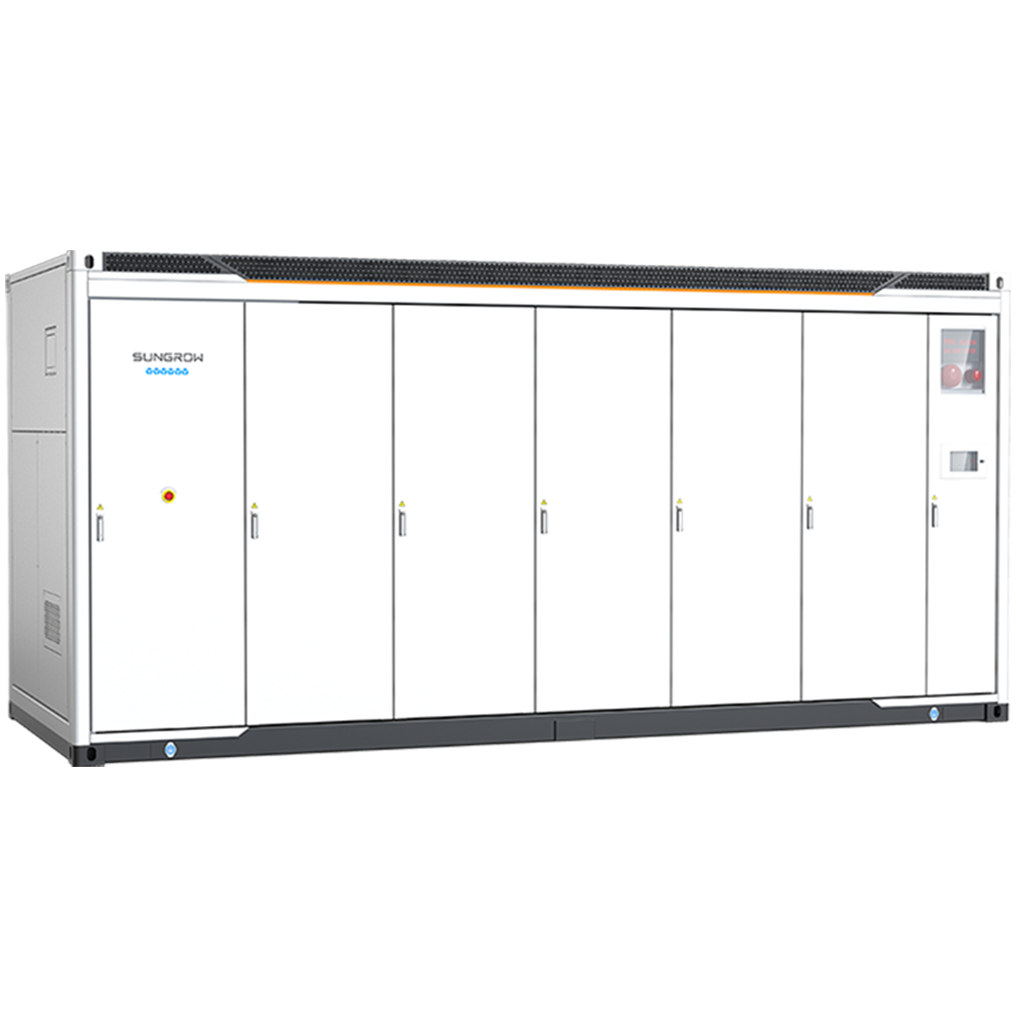
To close, let me give three key evaluation metrics I personally use when choosing or approving a Utility Energy Storage supplier: 1) Verified dispatch accuracy over manufacturer-stated cycle life (do lab claims match field data?), 2) Mean time to recover (MTTR) for inverter/BMS events under real stress tests, and 3) Clarity of operational modes in the O&M manual (are frequency response, ramp limits, and SOC constraints explicitly defined?). These metrics are measurable, actionable, and directly tied to revenue. I believe they separate vendors who sell boxes from those who deliver dependable systems. We have improved project outcomes by insisting on them—small interruption here, big savings later. For practical supplier options and further reading, consider solutions from Utility Energy Storage. I sign off with this: choose rigor, test thoroughly, and plan operations like you mean it. sungrow