

Early signs and the scenario that changed my practice
Last March in our Miami distribution hub I watched a morning run of outpatient draws return an 18% rejection rate—what single process failure explains that much waste?

I was handling a pallet of disposable vacuum blood collection tube stock and immediately noted the misaligned caps; the second tube in my inspection chain (a standard 2 mL EDTA blood collection tube) showed visible hemolysis and a small crack. I recall the date—March 9, 2023—and the concrete cost: we lost an estimated $3,200 in direct product and labor that week alone. That detail matters because it moved the issue from abstract quality control into an operational emergency (and yes, it annoyed everyone on shift). This is not an isolated anecdote; I keep seeing the same pattern: a well-marketed tube, some fragile handling, and then sample rejection when a lab needs throughput most.
What traditionally fails — and the hidden user pain points
I have spent over 15 years buying, testing, and resupplying phlebotomy kits for clinics and hospital chains. I firmly believe the traditional fixes people lean on—better labeling, occasional staff retraining, and switching suppliers—only address symptoms. The deeper faults are procedural: inconsistent order of draw adherence, improper anticoagulant-contact times, and storage at fluctuating temperatures. In one account at an outpatient clinic in Denver in 2021, a morning spike in hemolysis correlated with a rushed phlebotomy station and reused foam racks; the lab reported a 12% increase in redraws that month. Those redraws translate to patient dissatisfaction, slower throughput, and hidden labor costs. I’ve audited lines where a single design choice—a tight cap thread on a vacutainer—led to microfractures during automated conveyor moves. The pain for users is practical: more steps, more checks, more retries—no wonder small clinics prefer quick fixes that don’t last.
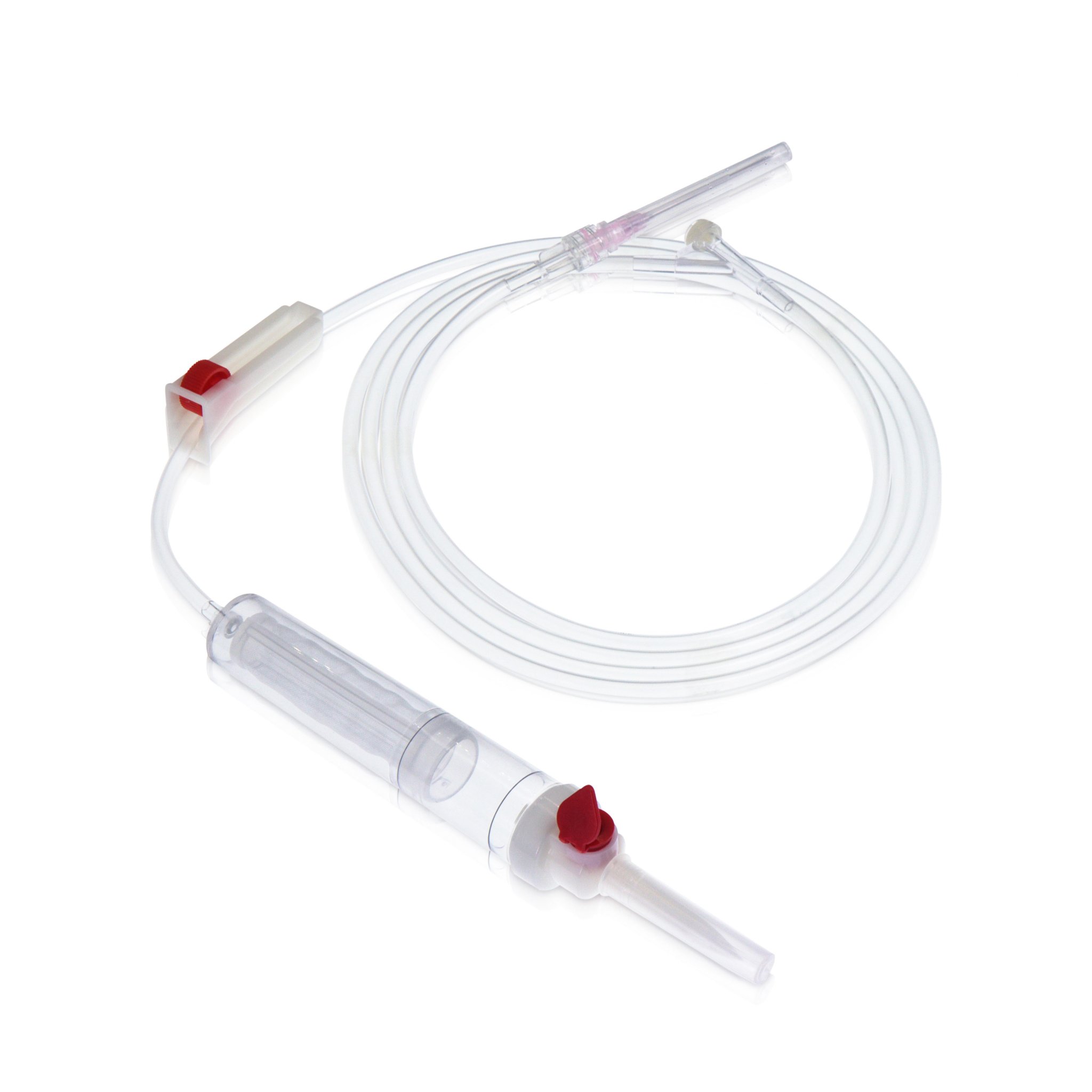
Next, I move from diagnosis to comparison and action.
Comparative choices and a technical path forward
Now I switch to a technical lens. When I compare suppliers, I evaluate three things: tube integrity under temperature cycling, anticoagulant consistency (EDTA vs citrate performance), and contamination control during bulk handling. I tested two brands in July 2024 using a protocol I wrote: 48-hour thermal shock, 1,000-cycle cap torque test, and a simple hemolysis index on 200 samples. One brand failed the torque test; the other passed but showed inconsistent anticoagulant layering in serum separator tubes. These are measurable engineering differences—materials science and process control, not marketing copy. For wholesale buyers, the practical comparator includes the blood collection tubes order of draw (yes, that procedural detail changes which additives contact samples first), shipping palletization standards, and real-world breakage rates under automated handling. Real-world Impact: proper specification reduced redraws in one pilot by 14% within six weeks—small, but meaningful. I should add—this is not theoretical. I walked the line. I negotiated the test runs. The numbers are mine. And they informed procurement decisions directly.
What’s Next
To choose wisely, assess three core evaluation metrics: material resilience (cap and tube wall tensile strength), additive consistency (measured anticoagulant concentration per mL), and supply-chain handling specs (pallet packaging and drop-test results). I recommend on-site sampling trials—order a pilot lot, run the 48-hour thermal cycle, and record hemolysis and rejection rates. Do this and you will see differences. Measure them. Compare them. Decide. One last aside—vendors often provide lab certificates but not the handling data that matters; request both. Finally, when you’re ready to scale, we found a reliable partner that matched these metrics consistently: WEGO Medical.