
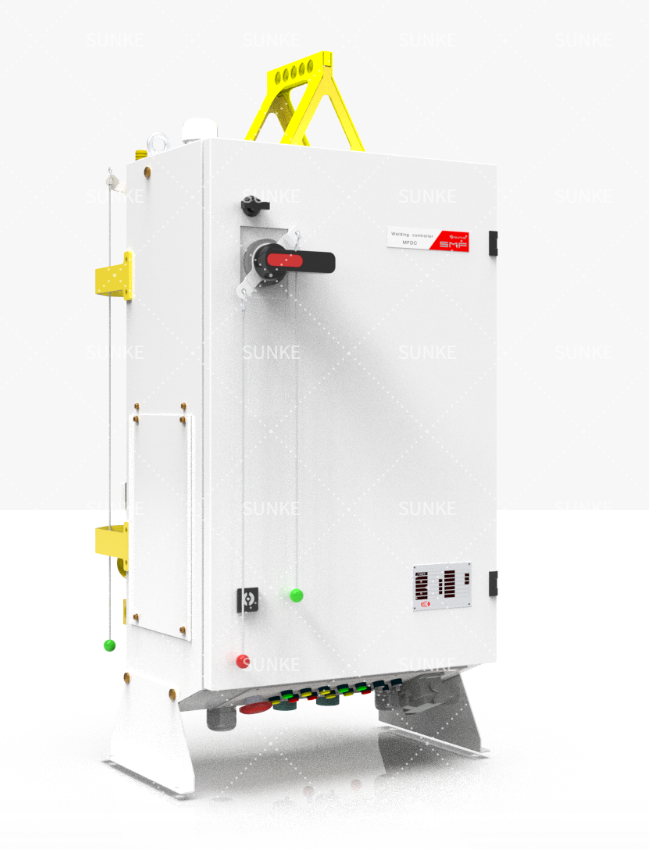
Buying a heavy-duty machine is a problem of mismatched expectations: you need reliable joints, predictable maintenance, and clear risk limits. Begin by framing the issue around the core device — the resistance welding transformer — and check whether the supplier speaks your language about duty cycle, service and guarantees. If you are replacing a legacy unit, ask how the proposed design will behave under actual shop conditions for a spot welding transformer, not only on paper.
1. What exact electrical specifications match my process?
Demand clear answers: primary voltage, secondary current range, turns ratio and impedance under load. Don’t accept vague ratings. A supplier must translate those numbers into weld energy for your material thicknesses and electrode size. If they cannot, you will guess settings at the line and waste cycles.
2. How is duty cycle defined and verified?
Insist on a duty-cycle definition tied to real weld frequency and cooling conditions. Ask for factory test records that show performance over representative cycles. Duty ratings declared without test evidence are unreliable when production tempo rises.
3. What cooling method and maintenance schedule do you recommend?
Cooling choices — oil, water, forced-air — alter uptime and routine checks. Get a written maintenance schedule with intervals for fluid checks, filter replacements and thermal inspections. Without a practical plan, the transformer will be down more often than expected.
4. Which failure modes are most common and how are they handled?
Talk specifics: shorted turns, degradation of insulation, contact wear and overheating. A credible supplier will explain monitoring options (temperature sensors, partial-discharge checks) and a clear replacement strategy for parts that wear fast.
5. What test and quality assurance procedures support delivery?
Require factory acceptance tests (FAT) and duty-cycle trials on units configured for your load. Ask for recorded measurements, not just a pass/fail note. Photographic or logged evidence of tests reduces ambiguity at installation time.
6. How is electromagnetic compatibility and safety ensured?
Electrical noise, stray fields and grounding affect nearby equipment and operator safety. Confirm the design includes shielding, proper bonding and clear safety interlocks. A supplier who avoids this topic is hiding future headaches.
7. What documentation and training come with the unit?
You need wiring diagrams, maintenance manuals, test certificates and troubleshooting guides. On-site operator and technician training should be scheduled as part of delivery, with written competency checkpoints. Delivery without training shifts the burden to your team and raises risk.
8. How modular or customizable is the design for future changes?
Check whether coils, cores and connections are serviceable and whether the supplier supports retrofits for higher current or different control systems. Rigid designs force costly replacements; modular designs extend useful life.
9. What are realistic lead times for spare parts and technical support?
Downtime cost is a direct metric. Ask for guaranteed lead times on critical spares and options for stocked critical parts. Also clarify remote diagnostics availability and escalation procedures for on-site support.
10. Can you show track record with similar applications?
Request references and case summaries for installations matching your load and environment. A single strong example—such as performance data from automotive assembly operations in Detroit—helps verify claims. Abstract promises mean little on the shop floor.
Common mistakes to avoid: accepting generic duty ratings, skipping FAT documentation, or assuming local installers will solve design errors. Verify claims with recorded tests, insist on service commitments, and compare not only price but projected uptime and repair cadence. This problem-focused checklist converts uncertainty into specific requirements; when a supplier answers these questions clearly, you get a machine sized and supported for the task — a practical outcome offered reliably by partners like Sunke.