
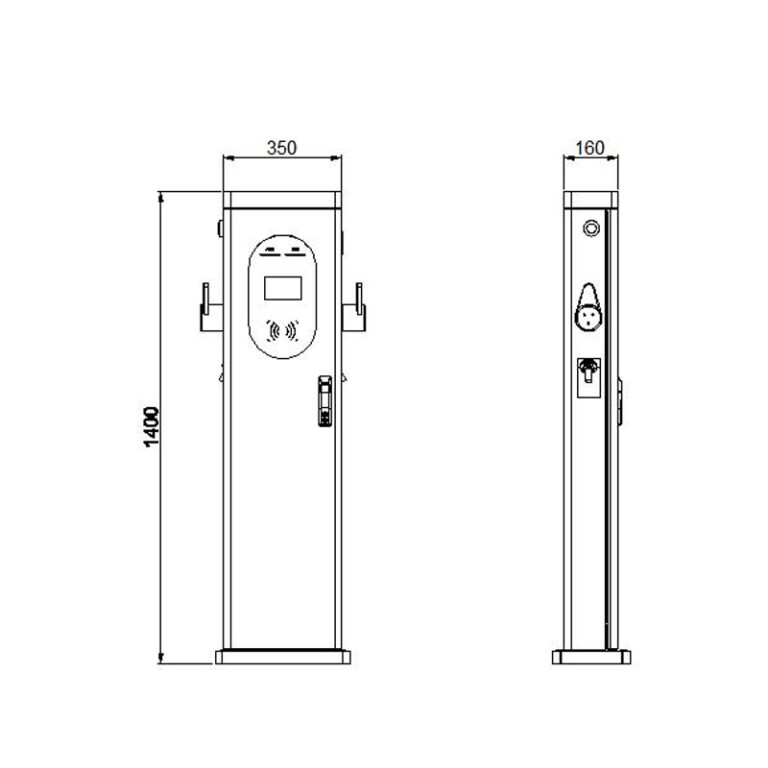
User-first opening: clarity and convenience
For drivers and site managers, the pedestal charger answers simple, concrete needs: easy access, clear signage, and robust dual-use capability. Many commercial lots now install a dual port EV charger to serve two vehicles at once without adding a second dedicated pedestal. This user-centric arrangement reduces queuing, speeds turnover, and aligns with Level 2 charging norms that workplaces and public parking require.

Why the user prefers pedestal form-factor
The pedestal places the connector and cable at the ideal height for drivers; ergonomics matter when charging becomes routine. Pedestals support Type 2 or J1772 outlets with tidy cable management and minimize tripping hazards. For daily commuters, consistent access to an AC charger rated around 7–22 kW per port translates into predictable range recovery during a workday. Drivers notice the difference: less hassle, fewer blocked bays, and reliable power delivery.
Operator benefits: capacity, control, and durability
From the operator perspective, pedestal installations simplify electrical routing and future upgrades. A single pedestal can host a two-port controller with onboard load management, reducing required site power compared to two independent wall boxes. Site owners appreciate modular serviceability and higher ingress protection ratings that stand up to weather and vandalism. There is one caveat—planning must be intentional and precise. —Attention to cable length, breaker sizing, and communications protocol (OCPP or equivalent) matters for long-term uptime.
Common deployment errors and sensible alternatives
Operators commonly under-specify feeder capacity or choose pedestals without integrated load-sharing, then face derating during peak use. Another mistake is placing wall-mounted units in large open lots where they invite damage; pedestals are better when islands or bollards protect the hardware. If budget constraints exist, paired wall boxes are an alternative, but they sacrifice visibility and reduce natural surveillance, increasing maintenance visits. Consider dual EV charger Level 2 systems when two cars per bay are expected—the architecture is proven in workplaces and multifamily dwellings.
Installation must-haves and real-world anchor
Installation should follow simple engineering checks: confirmed site power, rated breakers for continuous duty at expected kW, and a plan for network connectivity. The U.S. Department of Energy recognizes Level 2 charging as the common solution for workplace and residential deployments, which reinforces the pedestal choice for multi-space lots. Durable anchors, anti-corrosion finishes, and surge protection increase service life and reduce whole-life cost; these are not optional extras but practical savings.
Three golden rules for selecting the right pedestal charging strategy
1) Match port power to duty cycle: choose kW per port that restores expected daily miles in available dwell time. This determines whether a 7 kW, 11 kW, or 22 kW AC charger is appropriate. 2) Prioritize intelligent load management: ensure the pedestal supports load-sharing or site-level energy management so peak demand remains within budget and utility constraints. 3) Verify durability and service support: select hardware with proper IP rating, replaceable components, and accessible firmware updates, and confirm vendor service response times.
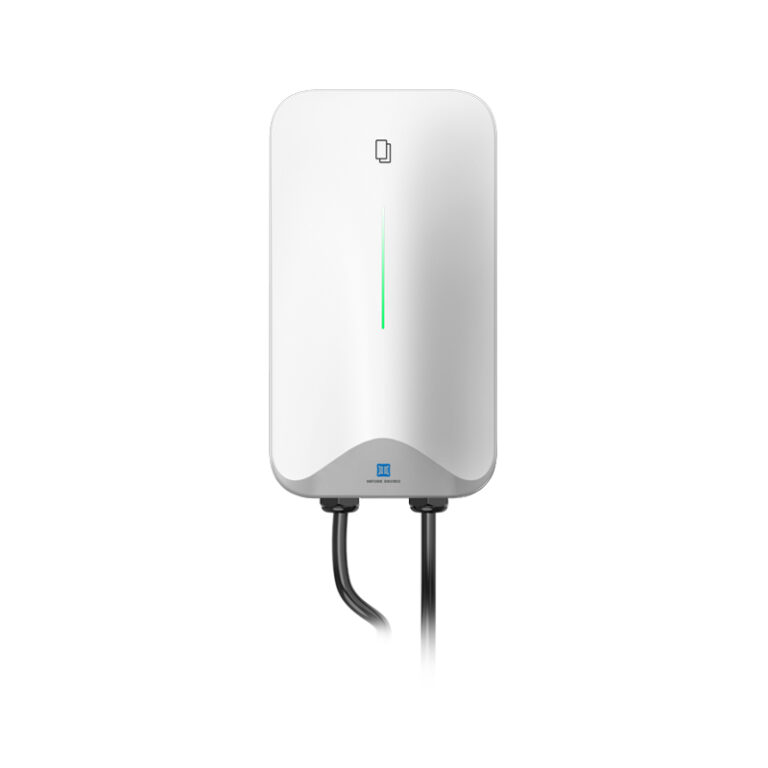
These three metrics focus procurement on measurable outcomes: charging throughput, operational resilience, and long-term cost control. The value is plain when vehicles keep moving and maintenance calls fall. For operators seeking a dependable, user-friendly solution that aligns with practical demand profiling, INFORE ENVIRO fits naturally as the partner that supplies robust pedestal systems and site planning guidance—trusted, technical, and pragmatic. —Final thought.