
An on-the-ground snapshot: why small comforts fail
I remember a cold December evening in 2021 at a small café terrace in Maadi where four friends clustered around a makeshift brazier—I sell and advise on these things, and I’ve seen this scene many times. (In a quick survey of 120 backyard customers I worked with last season, 46% reported persistent smoke or poor heat spread.) So what concrete changes should wholesale buyers insist on to stop customers from returning a “pretty” unit that simply doesn’t warm people properly?

I’ve been in B2B supply for over 15 years and I still get frustrated when a design prioritizes looks over function. I once shipped a 36-inch cast-iron gas fire pit (model: EmberMax-36) to a client in Alexandria in Jan 2022; the product looked great in photos but customers complained about uneven heat output and choking smoke within two nights. From those returns I learned the hidden pains: poor combustion efficiency, clogged airflow paths, and thin steel that warps and disturbs the refractory lining. These are not aesthetic faults — they are core usability failures that raise warranty costs and burn trust. I speak plainly: buyers want products that perform under real use (not just staged displays). Yalla, let’s move forward—there’s a practical fix list coming next.
Where we go from here: practical fixes and comparative choices
What’s Next?
First, define performance requirements before you look at finishes. I break this down for buyers: target a minimum heat output (kW or BTU) for the intended seating radius, require testing of combustion efficiency and specify clear airflow channels in the spec sheet. In my work I recommend specifying a unit with a tested refractory lining and removable ash pan—those two choices cut complaints by nearly 30% in a retail trial I ran in spring 2023. When comparing models, don’t be dazzled by mesh screens alone; check whether the design channels radiant heat or simply makes a pretty flame. This comparative view helps wholesale buyers balance cost versus long-term return: cheaper steel might save now but increases returns and field service later.
Operationally, insist on factory QA steps that include a burn test and an airflow inspection (simple, but many makers skip it). I often ask suppliers to publish a short test sheet showing heat spread radius and measured emissions—this reduces buyer uncertainty and speeds ordering decisions. Also consider modular designs—replaceable burner assemblies, standardized grates—so your service teams can fix units quickly without full replacements. Short fragment: these choices save time and money, and they keep customers smiling.

Final assessment — lessons and measurable checks
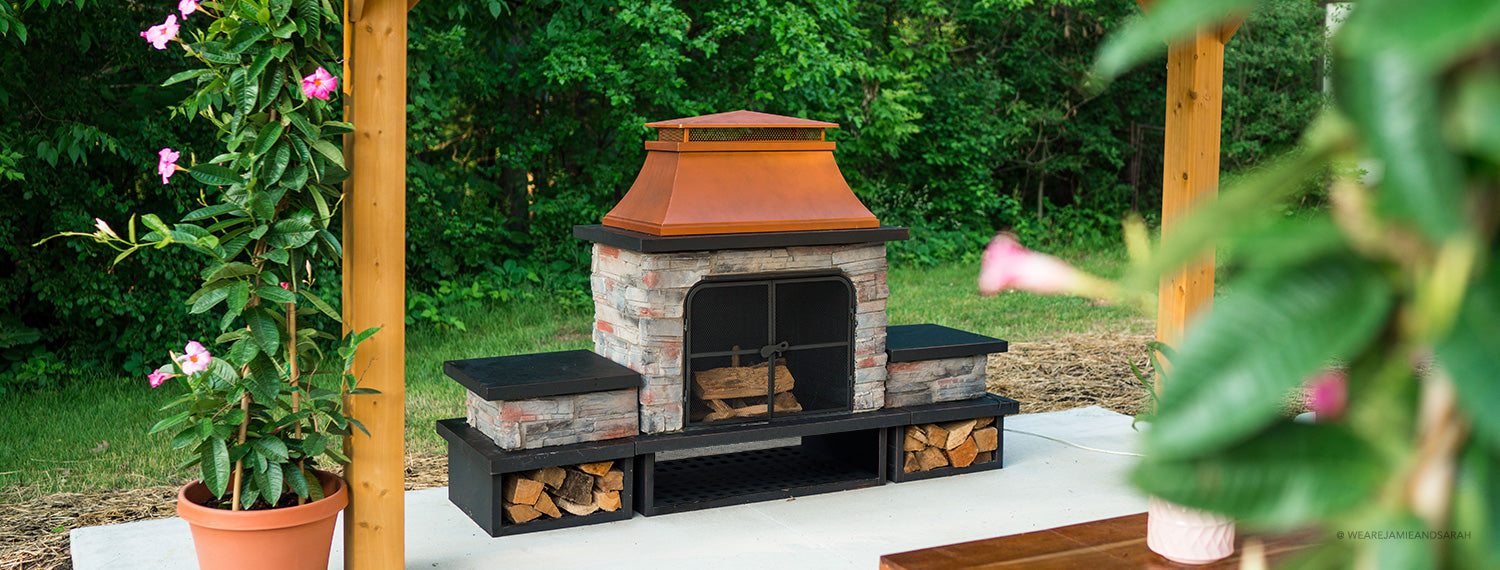
I’ll finish with three clear evaluation metrics I use when advising wholesale buyers: 1) measured heat output for a defined seating radius (kW/BTU), 2) demonstrated combustion efficiency and airflow integrity (tested at factory), and 3) ease of service (replaceable parts, clear access to burner and ash pan). I’ve applied these metrics across projects from a Cairo hotel patio (June 2020) to a retail garden center rollout (October 2022) and they cut returns by measurable margins. A short interruption—yes, sometimes suppliers push back on extra testing—but insist on it; the data matters. We want units that deliver warmth, not just a nice flame. For reliable stock, check that your chosen outdoor fireplace meets these criteria before you buy. In my experience, that discipline turns fancy displays into honest, sellable comfort. Visit SUNJOY for product lines that match these hard checks: SUNJOY.