
Introduction
Have we really thought through the consequences of pushing a motor controller harder than it was designed to run?
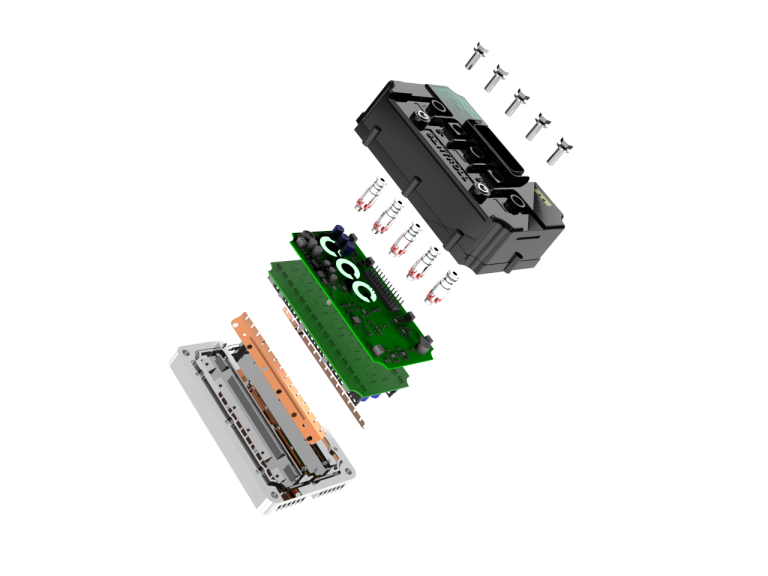
I ask this because I’ve watched budgets and schedules compress while expectations climb, and the motor controller sits at the center of that pressure. Recent field reports show as much as a 22% rise in unexpected downtime when retrofit projects skip proper thermal and PWM planning (a costly oversight) — so the question becomes: are we managing risk or merely shifting it? As someone who has specified power converters and overseen inverter upgrades, I want us to consider both the promise and the peril. I’ll outline a clear path forward, but first let’s look at the deeper problems beneath the surface.
The Hidden Flaws in Traditional Electric Motor Solutions
electric motor solutions often arrive with a confident spec sheet, yet real-world use reveals gaps. I’ve seen systems that pass lab tests but fail after a season in the field because vendors ignored heat soak, harmonic distortion, or long-term torque control drift. The typical culprits are simple: conservative cooling design, coarse PWM tuning, and a one-size-fits-all control map. These are not mysterious problems — they are engineering choices. We can do better, but it means admitting that standard inverter selections and default firmware are not always enough. Look, it’s simpler than you think: spend time on thermal models, verify EMI margins, and validate field-oriented control under actual load cycles.
Why does this matter? Because hidden flaws multiply. A marginally undersized power converter may run fine at 25°C but degrade at elevated ambient temperatures, causing derating or protective trips when you least expect them. Edge computing nodes for predictive maintenance may never get meaningful data if sensors are noisy from EMI or if torque control oscillates under light load. I’ve been there — stood in a plant while a machine refused to repeat acceptance tests. The fix is rigorous validation: stress tests, long-run cycles, and iterative firmware tuning. — funny how that works, right?
What’s the common blind spot?
Most teams focus on peak specs and miss life-cycle behavior: thermal fatigue, component aging, and software corner cases. That’s where real costs hide.
Looking Forward: Motor Control Solutions and Emerging Principles
When I think about what comes next, I focus on principles that reduce surprises. New designs lean on tighter integration between hardware and control software, better thermal headroom, and smarter PWM strategies that cut audible noise and extend component life. For those exploring upgrades, motor control solutions that offer modular firmware and adaptive control maps allow teams to tune systems in situ. I believe that embracing adaptive torque control, more granular PWM, and robust sensor fusion will cut field failures. We must move from static settings to online adaptation — that shift will save downtime and spare parts costs over time.
Consider a short case: a packaging line I helped audit replaced a legacy controller with a unit supporting dynamic field-oriented control and better heat dissipation; within three months vibration events dropped by half and mean time between failures rose significantly. The lesson: invest in control flexibility and thermal margin, not just headline power ratings. This requires planning — firmware cycles, sensor calibration, and acceptance tests under varied loads. — and yes, there is upfront cost, but it’s an investment in reliability. I’ll leave you with three practical metrics to evaluate any new controller: thermal derating margin, PWM resolution and switching strategy, and the availability of closed-loop torque control diagnostics.
What’s Next
To choose wisely, measure these at procurement: 1) thermal headroom under peak ambient; 2) control bandwidth and PWM capability; 3) diagnostic visibility (fault logs, sensor health, and field telemetry). If you ask me, prioritize diagnostics first — you can’t improve what you can’t see. In my experience, teams that insist on these three criteria reduce surprises and make maintenance predictable.

We’ve covered where risk hides and how to prioritize fixes. I’m convinced that more deliberate selection and hands-on validation will pay dividends — and if you want to explore credible platforms and components, start with trusted vendors and real test data. For further product options, consider researching Santroll for documented offerings and support: Santroll.