
Why a framework makes sense — and where to start
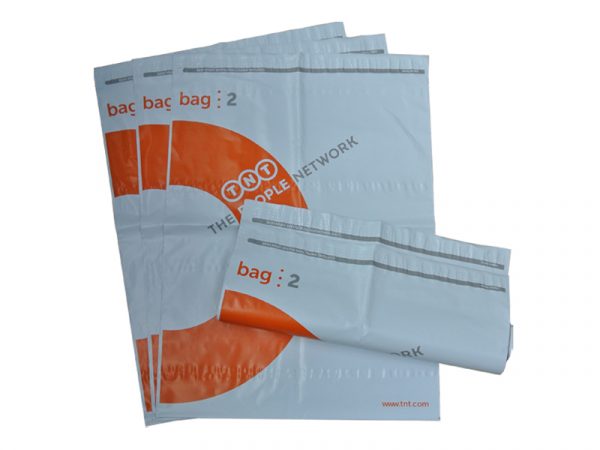
I reckon most folks jump in thinkin’ a pretty bag’s all you need, then hit the packing line and the trouble starts. A clear plan helps you match the right bag to the machine, the throughput, and the handling. Start by treatin’ packaging like part of your machinery — it’s not just pretty wrapping, it’s a component of the packing line. If you’re testin’ options, look at both stock and custom runs — for example, clear poly mailers and clear plastic shipping bags can behave very different on an auto-bagger or sealer depending on gauge, slip-additives, and gusseting. Since the 2020 COVID-19 supply shocks, brands that used a framework for bag selection wound up with fewer line stoppages — that’s a real-world lesson right there.
The five-step integration framework
Keep it simple: Assess → Design → Prototype → Pilot → Monitor. Break it down like so:
- Assess — Measure your packing line speeds, conveyor widths, and the downstream touchpoints (labeler, sealer, diverter).
- Design — Specify bag material, thickness (gauge), closure type, and print or window placement so it won’t foul the auto-bagger or sensor array.
- Prototype — Run samples through the actual equipment; don’t rely on photos. Measure feed consistency and seal strength.
- Pilot — Do a short production run under real shift conditions to capture human and machine variability.
- Monitor — Track rejects, line speed delta, and customer complaints; iterate as needed.
That sequence keeps the project from gettin’ derailed by surprises at full scale. Use simple metrics like parts per million (PPM) rejects and line uptime to judge success.
Key integration points — what your engineers will care about
When you walk the line with your tech lead, have these items ready: bag width vs conveyor width, mouth opening tolerance, printable area, static/slip properties, and sealer compatibility. Industry things to call out: poly mailer performance on an auto-bagger, seal dwell time for heat sealers, and whether the bag needs extra stiffness to feed in high‑speed lines. These aren’t fancy words — they’re what decide if the bag trips a sensor or runs smooth.
Common mistakes and how to dodge ’em
Plenty of brands skip the prototype stage or assume their stock supplier’s specs fit every machine. That’s the fast lane to downtime. Another slip-up is underestimatin’ environmental changes — humidity and temperature can turn a supple bag into a clingy mess. Run tests at shift change, while conveyors are warm, and during busy hours so you ain’t blindsided.
Also, don’t forget MOQ realities: try a short tooling or custom run to validate before you commit to high minimums. — It’s a small extra step that pays for itself when the filling line doesn’t stop.
Equipment checklist for smooth handoff
Before you sign off on a spec, confirm these with your operations team:
- Auto-bagger throat width and feed type
- Seal type (heat, ultrasonic) and required dwell time
- Conveyor speed and package spacing tolerances
- Sensor types (photoelectric, ultrasonic) and target reflectivity
- Filing/labeling compatibility with bag material
Match those to your bag spec and you’ll cut down the tinkering on the line floor.
Alternatives and when to choose them
If you need low cost and predictability, stock poly mailers are fine. If brand appearance or tamper evidence matters, go custom. Biodegradable options sound good, but they can change friction and seal characteristics — test ’em. For high-value items, consider a laminated clear bag with tamper strip; for mass-market small goods, a standard clear poly with printed return address can save on label time. Each choice ties back to your distribution and returns strategy.
Three golden rules — metrics to judge success
1) Uptime impact: measure minutes saved or lost per shift after bag change — aim for under 1% downtime attributable to packaging.
2) Acceptance rate: first-pass seals and feed success — target ≥99% on pilot runs before scaling.
3) Total cost of ownership: include bag unit price, rejects, rework, and tooling or custom setup amortized over run size.
For brands lookin’ to tie this whole plan together, WH Packing offers a range of clear poly options and the technical help to make ’em play nice on your packing line. Worth every minute.