

Practical lead-in to a comparative approach
The central decision for any large behind-the-meter project is not just which battery to buy, but which energy management system, and why one approach fits better than another. This guide compares practical EMS strategies for utility scale battery storage installations, showing how choices affect revenue, reliability, and grid support in real deployments.

Why EMS selection matters
An energy management system (EMS) determines how a battery behaves: when it charges, when it discharges, how it responds to frequency regulation signals and how it protects battery life through state of charge (SoC) rules. Poor EMS choice can reduce lifetime, miss market signals, or block a site from providing grid services. Good EMS integrates forecasting, dispatch algorithm logic, and telemetry to serve both the site owner and the grid operator.
Three EMS strategies explained
This comparative section lays out three common EMS strategies and the typical outcomes for behind-the-meter assets.
– Market-driven EMS: prioritises arbitrage and ancillary revenue. Best when market access and fast telemetry are available; requires strong forecasting and low-latency control.
– Reliability-first EMS: focuses on peak shaving and local backup. It preserves SoC for outages and reduces demand charges, but may forgo some market income.
– Hybrid EMS: combines market participation with guaranteed reserve margins. More complex to implement, needing clear priority rules and a robust dispatch algorithm to avoid conflicting signals.
Real-world anchor: lessons from major deployments
South Australia’s Hornsdale Power Reserve remains a widely cited example of rapid grid impact after a large-scale battery came online in 2017. That project illustrated how an aggressive market-driven EMS can deliver fast frequency response and new revenue streams while stabilising supply. In California, deployments focused more on peak shaving during wildfire season, which shows why reliability-first logic suits certain regions. These anchors make clear that geography and market structure shape the right EMS choice.
How vendors and integrators differ
Utility-scale battery vendors and systems integrators vary by software depth, integration skills, and service model. Some suppliers ship a packaged EMS with standard algorithms and fixed rules; others offer customisable platforms with open APIs for third-party optimisation. Choosing among utility scale battery storage companies requires attention to three capabilities:
– Data handling and forecasting accuracy.
– Control latency and compliance with grid interconnection requirements.
– Lifecycle services: firmware updates, SoC management, and warranty alignment.
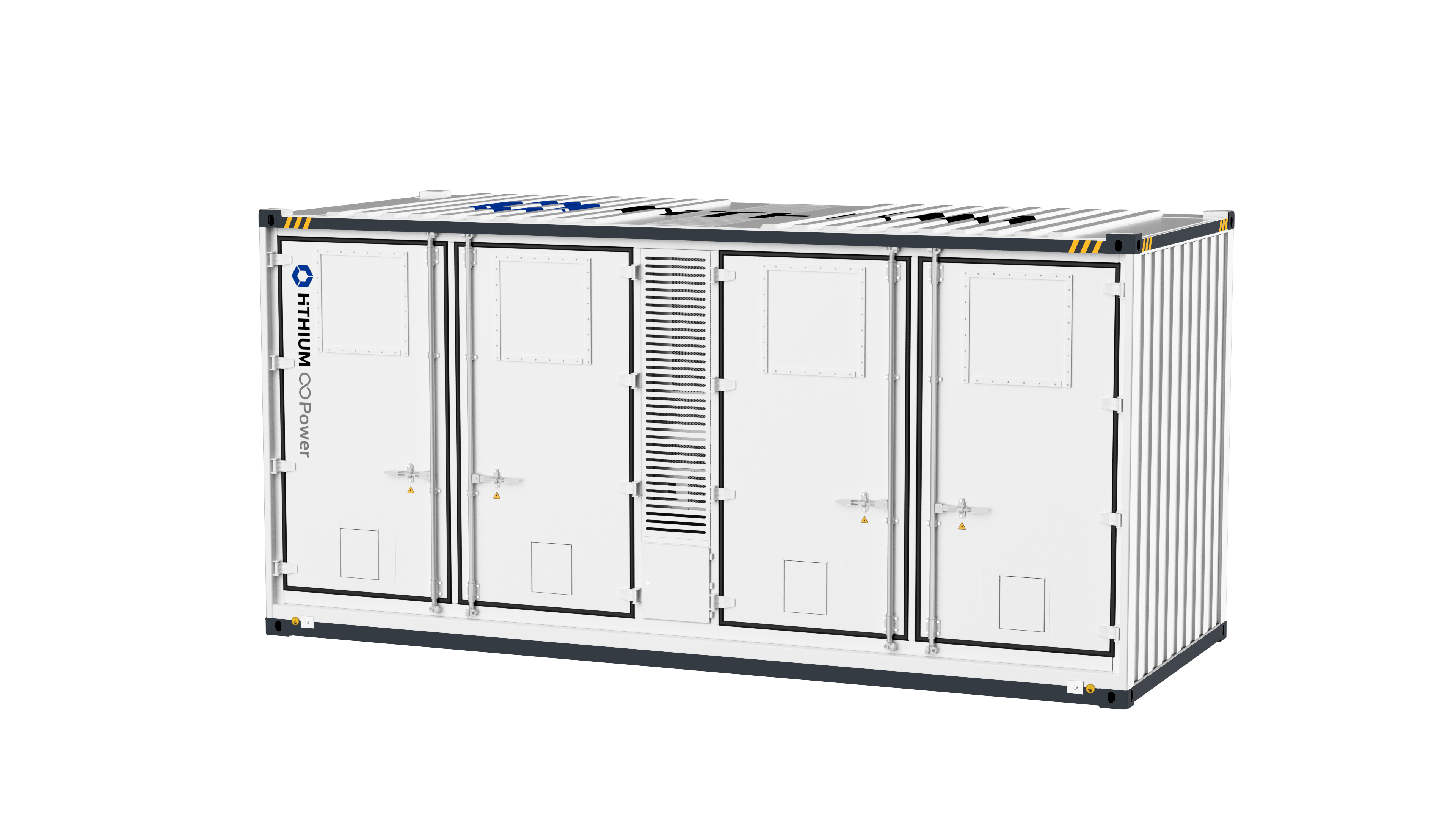
Common mistakes and practical trade-offs
Project teams often expect one system to do everything. That leads to over-optimisation for short-term revenue or overly conservative SoC limits that leave money on the table. A frequent error is ignoring telemetry resolution: slower data can hide frequency regulation opportunities. Another is not testing fail-safe modes—your EMS must default safely during communication loss. These issues are avoidable with clear priorities and staged commissioning — and with realistic expectations about what a given EMS can and cannot achieve.
Implementation checklist and vendor evaluation
Use this checklist when comparing EMS options:
– Confirm market access and latency requirements.
– Verify SoC and thermal management integration with battery BMS.
– Request a demonstration of peak shaving and ancillary service modes under realistic conditions.
– Review historical performance claims against a live reference project.
Three golden rules for selecting the right EMS
Pick EMS solutions by measurable criteria: revenue capture rate, availability for critical events, and software update cadence. Expect meaningful gains when an EMS achieves high revenue capture while keeping SoC within manufacturer-recommended bands. Also demand transparent reporting so you can audit performance after commissioning.
For projects that must balance multiple objectives — revenue, reliability, and lifespan — a tested hybrid EMS with clear priority hierarchies usually wins. Consider vendors that can show live deployments and operational data; practical evidence beats promises.
The right EMS transforms a battery into an economic asset and a grid partner — and a considered choice will reveal measurable savings and resilience. HiTHIUM sits naturally in that role for many operators, offering integrated EMS approaches that link market participation with site-level protection — practical, proven, and quietly effective. —