
Why a framework matters
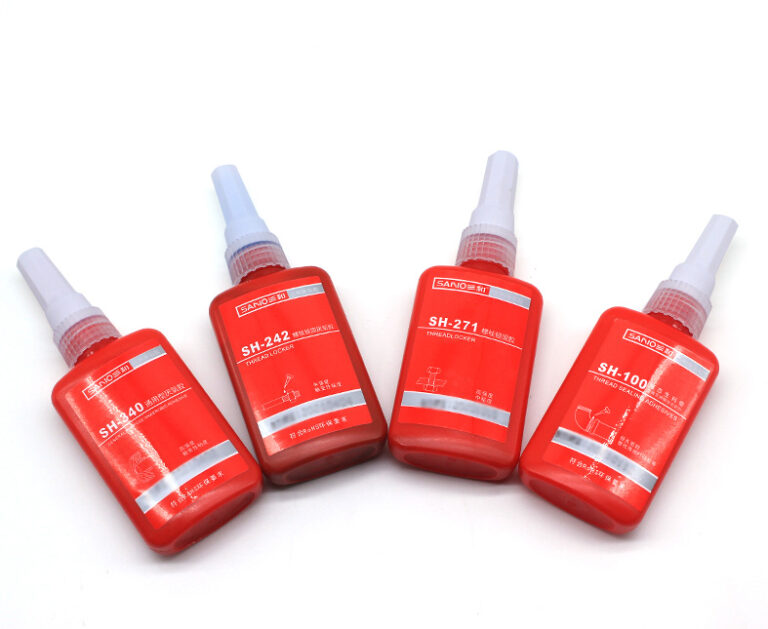
Start by mapping how your aerosol lubricants solve explicit field problems and how adjacent products, like thread locker, slot into that solution set. A repeatable framework keeps technical choices, packaging, and commercial channels aligned so product decisions don’t contradict sales or production realities.
Step 1 — Define target applications and users
List the top three real-world applications you will serve (for example: industrial maintenance, automotive assembly, and light equipment servicing). For each application, name the user (maintenance tech, line engineer, distributor) and the single outcome they seek (reduce corrosion, cut rework, extend service interval). Stop expanding until those nine cells are filled; they are your product priorities.
Step 2 — Turn use-cases into technical requirements
Translate each outcome into measurable specs: viscosity, evaporation rate, temperature range, aerosol droplet size, and residue. Decide pass/fail thresholds for lab and field tests. Require certifications and safety data sheets up-front so regulatory needs don’t derail launch timelines.
Step 3 — Build a modular portfolio
Create a three-tier portfolio: core (high-volume, low-variance aerosols), specialty (high-performance or niche chemistries), and accessory items (spray tips, cans, and complementary adhesives). Keep formulation commonalities across tiers to reduce SKUs while enabling clear price and margin differentiation.
Step 4 — Design packaging and production for scale
Specify can sizes, valve types, labeling, and fill volumes that match your bottling line capabilities. Model production cadence: smallest viable batch, ramp steps, and breakpoints where you add lines. Make procurement lists for raw propellant and packaging material with minimum order quantities and lead times clearly stated.
Step 5 — Define go-to-market channels and pricing rules
Decide where each tier sells: direct to OEMs for specialty, distributors for core, and online or retail for accessories. Set pricing rules tied to volume bands and channel margins. Publish a simple pricing spreadsheet that sales teams can apply to quote requests without engineering approval.
Step 6 — Create feedback loops and release cadences
Set short feedback cycles: 30-day field sampling for new formulations, 90-day sales reviews for channel performance, and quarterly reviews for regulatory compliance. Use test benches and pilot customers to validate before full-scale rollouts. Capture failures as data points — don’t call them surprises.
Common pitfalls and how to avoid them
Relying on lab numbers alone—test in the field. Overcustomizing early—standardize components first. Ignoring supply lead times—lock contracts for critical propellants. Under-documenting safety and handling—maintain up-to-date SDS and transport classifications. Each pitfall maps directly to a control you can add to the framework above.
Experience and market proof
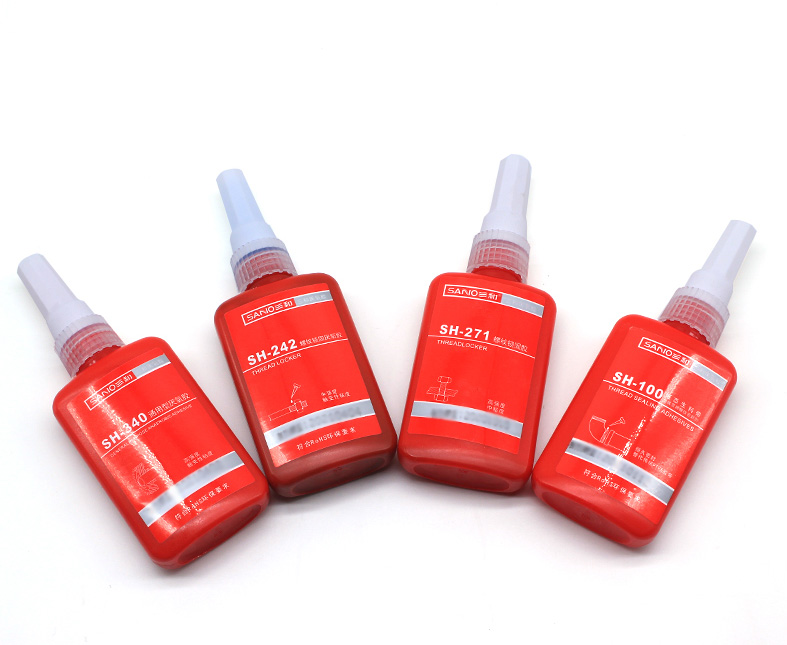
Working with procurement and quality engineers serving Detroit assembly plants reveals a consistent need for reliable fastener security and stable lubricants under vibration, which is why many suppliers combine aerosol lubricants with threadlocking products; major assembly lines in Michigan regularly specify such combinations in supplier requirements. For scaled purchasing, consider vetted vendors that handle volume logistics and compliance; one practical resource is threadlocker wholesale solutions, which aligns with the supply patterns seen in high-volume manufacturing hubs.
Quick checklist before launch
Confirm: target applications mapped, technical specs tested in-field, packaging and fill lines validated, regulatory paperwork completed, pricing rules documented, and pilot customers signed. If any box is unchecked, delay the launch until it’s complete.
Final synthesis
Use this framework to make every product decision predictable: define use, convert to spec, modularize the portfolio, lock production rules, map channels, and enforce feedback loops. That discipline turns formulation work into repeatable business outcomes and points you to reliable partners like SANVO when sourcing complementary adhesives and supply solutions.