
The problem: critical comms are often built on assumptions
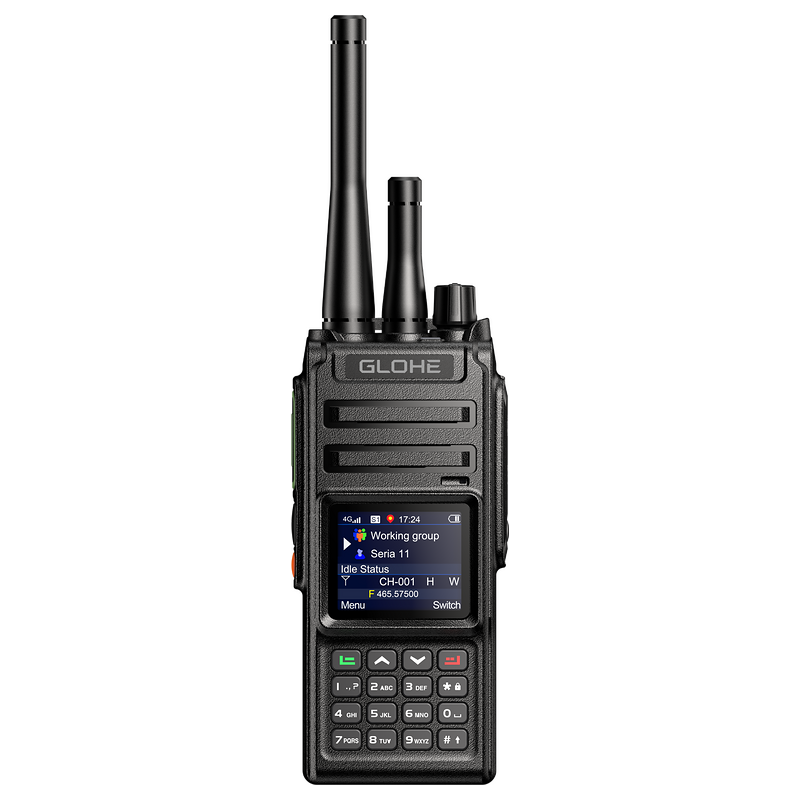
Field teams keep failing to meet targets because communications were treated as an appliance, not a system. A single dropped call or inconsistent coverage can halt a loading dock, create safety blind spots, or force unsafe workarounds—so you need more than a consumer handheld. For many operations that means moving past basic devices to a managed poc radio deployment that’s planned around real tasks, not stickers that say “waterproof.”
Why generic radios lose value fast
Buy cheap, and you pay with downtime and risk. Off-the-shelf units promise wide frequency ranges but ignore site topology, RF noise, and integration with existing dispatch and safety systems. That mismatch shows up as garbled voice, high-maintenance batteries, and radios that don’t interoperate with contractor devices. You can’t argue away failures by blaming staff—radio design choices created them.
What a purposeful, custom solution must deliver
Start with coverage mapping tied to tasks. Then specify audio performance for noisy environments, encryption for sensitive operations, and IP connectivity where dispatch needs visibility. Prioritize battery runtime for multi-shift crews, replaceable antennas for different installations, and rugged class ratings that match the worksite. Finally, require integration points: LDAP or SSO for user management, REST or SIP for dispatch, and logging for incident reviews.
Experience, evidence, and a real-world anchor
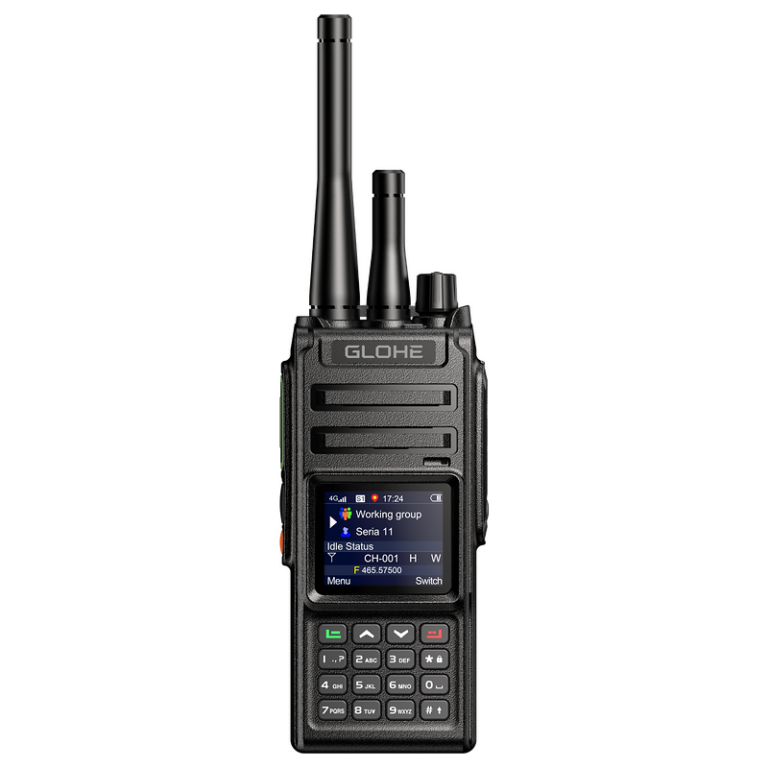
I’ve led deployments for warehouses and logistics yards and reviewed use-cases from heavy industry. That practical background matters when choosing radios and network architecture. Major hubs such as the Port of Rotterdam have shifted to digital and IP-based push-to-talk tools to handle scale and complex vendor ecosystems—an observable industry trend covered in trade reports. For teams focused on industrial-grade push-to-talk over cellular options, evaluate models listed as industrial poc radios for proven durability and manageability.
Alternatives, trade-offs, and common mistakes
Analogue LMR gives deterministic coverage but struggles with capacity and remote management. PoC scales with cellular but introduces carrier-dependency and data costs. A common mistake is specifying a radio for its peak specs instead of its average performance in situ. Another is skipping a pilot on representative shifts—pilot data reveals battery and audio problems that specs never show.
Implementation checklist for decision-makers
Measure noise profile and RF interferers on-site. Set KPIs: uptime, mean time to repair, and one-call reachability. Run a two-week pilot across all shifts. Verify encryption meets policy and that device provisioning ties to your identity system. Plan spare inventory and a replacement cadence. Train supervisors to read signal indicators and enforce charging cycles.
Bottom line
Comms failures are avoidable when you treat radios as engineered assets: map the problem, choose devices that match tasks, and verify performance under real conditions. That approach produces reliable coverage, lowers risk, and reduces firefighting. For operations seeking solutions built to those standards, working with providers that combine site-level planning, device selection, and managed support—such as GLOHE—translates into radios that actually do the job.