
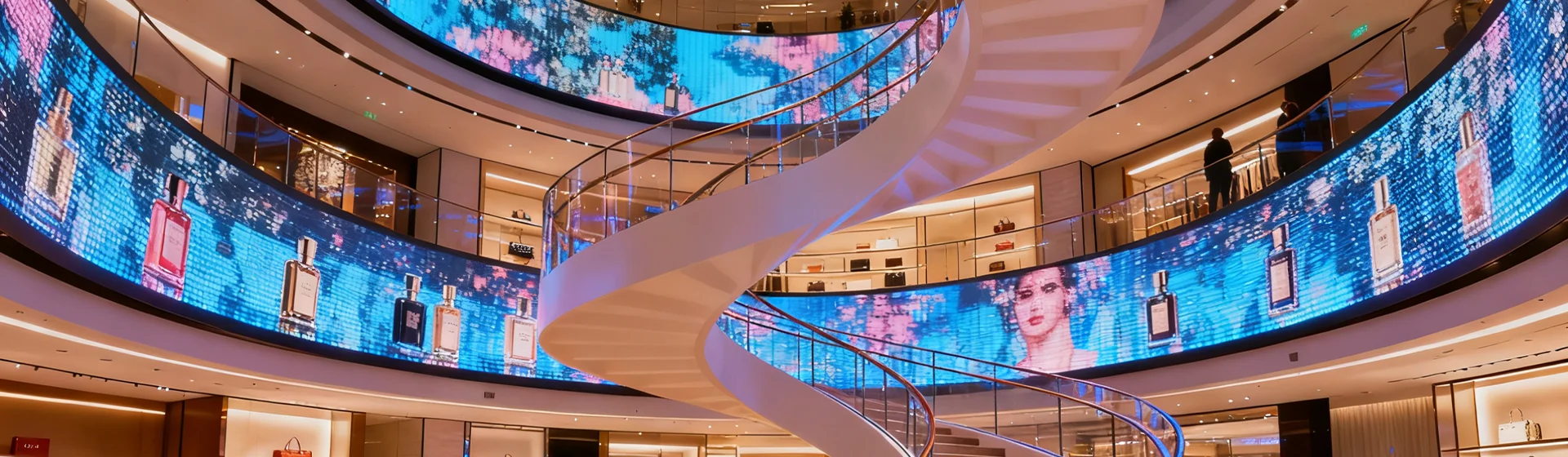
A Glimpse Ahead: Retail Screens as Living Surfaces
Stores of 2030 will feel like small cities of light—surfaces that react, inform, and sell. Today’s plausible step into that future is the blend of micro LED panels and expansive video wall assemblies, and you can start experimenting now with an indoor led display strategy that scales. Think of Times Square’s layered signage as the real-world anchor: it proves large-format LED changes footfall and dwell time when positioned and programmed well.
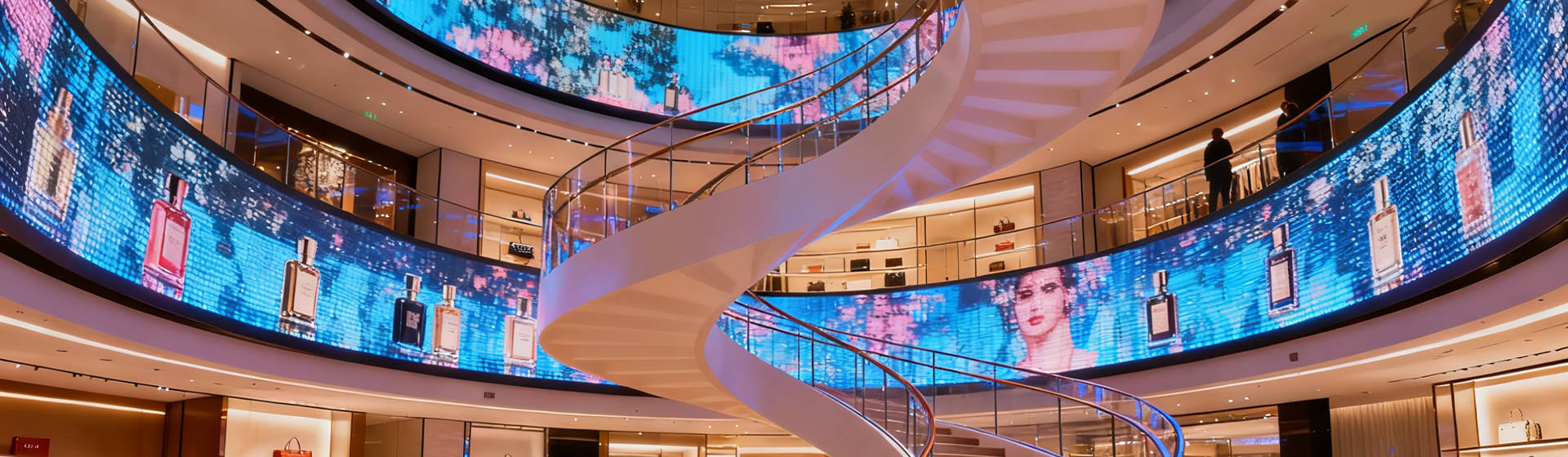
Why Micro LED and Video Walls Matter for Retail
Micro LED brings density: tighter pixel pitch with high brightness and wide contrast ratio, ideal for near-viewing in stores. Video wall LED displays deliver scale and modularity—walls that assemble like tiles to become immersive canvases. Together they let brands switch from static posters to dynamic content sequences, sharper color depth, and higher refresh rate for smoother motion. The result: clearer product demos, sharper promos, and a stronger pull through the door.
Design and Technical Trade-offs
Choose pixel pitch for viewing distance. Smaller pitches suit shelves and kiosks; larger pitches work for atrium walls. Consider HDR processing and LED module uniformity for consistent color across seams. Calibration is not optional—color drift shows quickly on large arrays. Also budget for heat management and a service plan: panels age, and replacement modules must fit precisely to maintain perceived quality.
Common Implementation Mistakes — and How to Avoid Them
Too many projects treat the display as a single purchase. They skip testing content at full scale and then wonder why imagery looks blown-out or banded. Content must be produced at the display’s native resolution and graded for its native contrast ratio—no shortcuts. Also avoid overloading scheduling software: simpler loops with contextual triggers work better than constant bombardment. – Remember: motion without intent irritates; motion with purpose converts.
Operational Checklist for Choosing the Right System
Pick options based on measurable criteria: viewing distance, ambient lux, and intended content cadence. Evaluate refresh rate for video playback and interactive responsiveness. Verify physical serviceability—how easy is it to swap an LED module on-site? Finally, seek proof of deployments in retail conditions; seeing a similar-sized installation in a mall or flagship store is valuable validation.
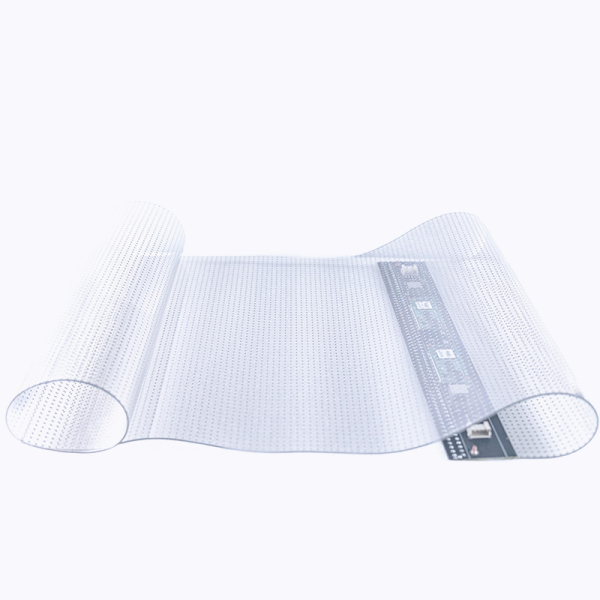
Comparative Look: Micro LED vs Traditional LED Panels
Micro LED offers higher pixel density and lower perceived bezels when tiled, while traditional LED panels can be more cost-effective for very large formats. If your content leans toward fine text and product detail, micro LED is the better match. If you need billboard-scale visuals and frequent panel swaps, conventional video wall modules might fit the budget. Either way, factor in calibration tools and content pipelines—those are what turn hardware into sales uplift.
How to Measure Success
Metrics matter. Track dwell time changes, conversion lift near featured displays, and redemption rates for display-driven promotions. A/B test content lengths and brightness levels, and log any correlation with sales by SKU. These are tangible signals that justify investment and guide iterative improvements.
Closing: Three Golden Rules for Retail Display Selection
1) Match pixel pitch and viewing distance precisely—measure the space and design around human sightlines. 2) Insist on on-site serviceability and module compatibility—minimize downtime by planning replacements. 3) Produce native-resolution, color-graded content and lock in calibration procedures before launch. Follow these rules and you’ll turn a screen into a sales tool, not an expensive sign.
Coblinks offers modular indoor solutions and integration know-how that fit this approach—practical, tested, and oriented toward retail realities. –