
Comparative entrance: why a pro maker wins
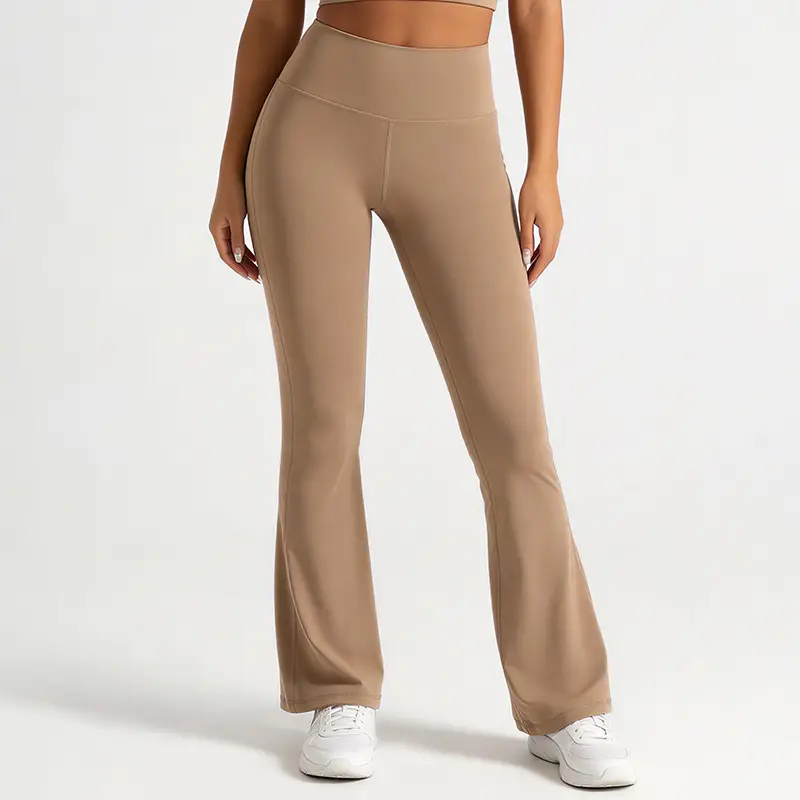
Most founders treat apparel like a weekend DIY project and then wonder why the first run arrives with mismatched sizing and a zipper that cries every time someone bends. Going with a professional partner fixes that—fast. A specialist brings consistent grading, fabric sourcing, and production knowledge so your samples behave like someone remembered to read the spec sheet. For example, when you ask for custom yoga pants you get intentional patterns, graded sizes, and tested seams instead of a hopeful prototype that falls apart after two classes. This is comparative insight in action: side-by-side, professional output beats homemade efforts on quality, reproducibility, and timeline management.

Quality mechanics: materials and construction that matter
Brands obsessed with labels miss the real differentiators: fabric performance and construction. Pros specify moisture-wicking blends, four-way stretch knits, and reinforcement like flatlock stitching and gussets where movement matters. Those are the ingredients behind a customer review that actually praises fit instead of forgiving flaws. My team learned this the hard way during production runs in Los Angeles and Guangdong in 2021—lessons came from shipping costs and returns, not PowerPoint. The difference shows on the mat and in your return rates.
Cost and lead-time tradeoffs, illustrated
Running everything in-house looks economical until you add sampling, tool setup, and the unglamorous waste of failed batches. Professional manufacturers amortize tooling across clients, optimize inventory planning, and can often compress lead times through established vendor networks. That doesn’t mean higher margins automatically—rather, it means predictable margins and fewer scramble weeks when demand spikes. Treat cost per unit as a metric tied to total landed cost instead of a headline price. Real brands track duty, freight, and quality rework minutes and then sleep better.
Common mistakes brands make—and how a factory fixes them
New labels skip tech packs, mislabel elastic specs, and forget testing thresholds for compression and shrinkage. Factories force discipline: you produce a tech pack or you don’t get a prototype. They also run standard testing parameters like wash cycles at specified temperatures and dimensional stability checks across sizes—real testing, not guesswork. Mistakes happen but they stop repeating once the factory’s quality control becomes your new baseline—yes, even the marketing team learns to respect a spec table.
Alternatives and when to consider them
There are sensible alternatives: small-batch local studios, print-on-demand, and hybrid partnerships. Each serves a purpose. Local studios give faster turnarounds for limited releases; print-on-demand reduces inventory risk for experimental designs. Hybrid models let you validate styles before scaling. However, if you plan to sell consistently and want lower returns, professional manufacturing remains the best route. Bulk ordering of wholesale workout pants is the bridge between aspirational design and a dependable marketplace presence—skip it and expect supply drama. Midstream changes are expensive—so plan once, execute with a partner.
Operational notes and a quick teardown
Practical checks for any manufacturer: verify sample timetables, confirm production tolerance bands, and insist on pre-shipment inspections. Label batches with clear file names and schedules; use {main_keyword} and {variation_keyword} tags in your documents so procurement doesn’t swap fabrics. Keep a lane for incremental improvements—small adjustments across runs beat large reworks. Also, maintain a list of fabric swatch approvals and a documented wash test matrix for every colorway.
Three golden rules for choosing the right partner
1) Evaluate by outcome, not promises: demand prototypes that pass your use-case tests and measure shrinkage, seam durability, and fit consistency across sizes. 2) Insist on transparent lead-time accounting: milestone dates, penalties for missed samples, and clear freight terms. 3) Prioritize lifecycle cost over unit price: include returns, rework hours, and customer satisfaction in your margin math. These metrics tell you who’s capable of scaling and who’s just good at selling spreadsheets. Choose a partner who treats product engineering like a discipline, not a suggestion—your customers will notice.

Joebond understands that consistent manufacturing is the practical solution your brand needs—no drama, just reliable product performance and fewer late-night crises. —