
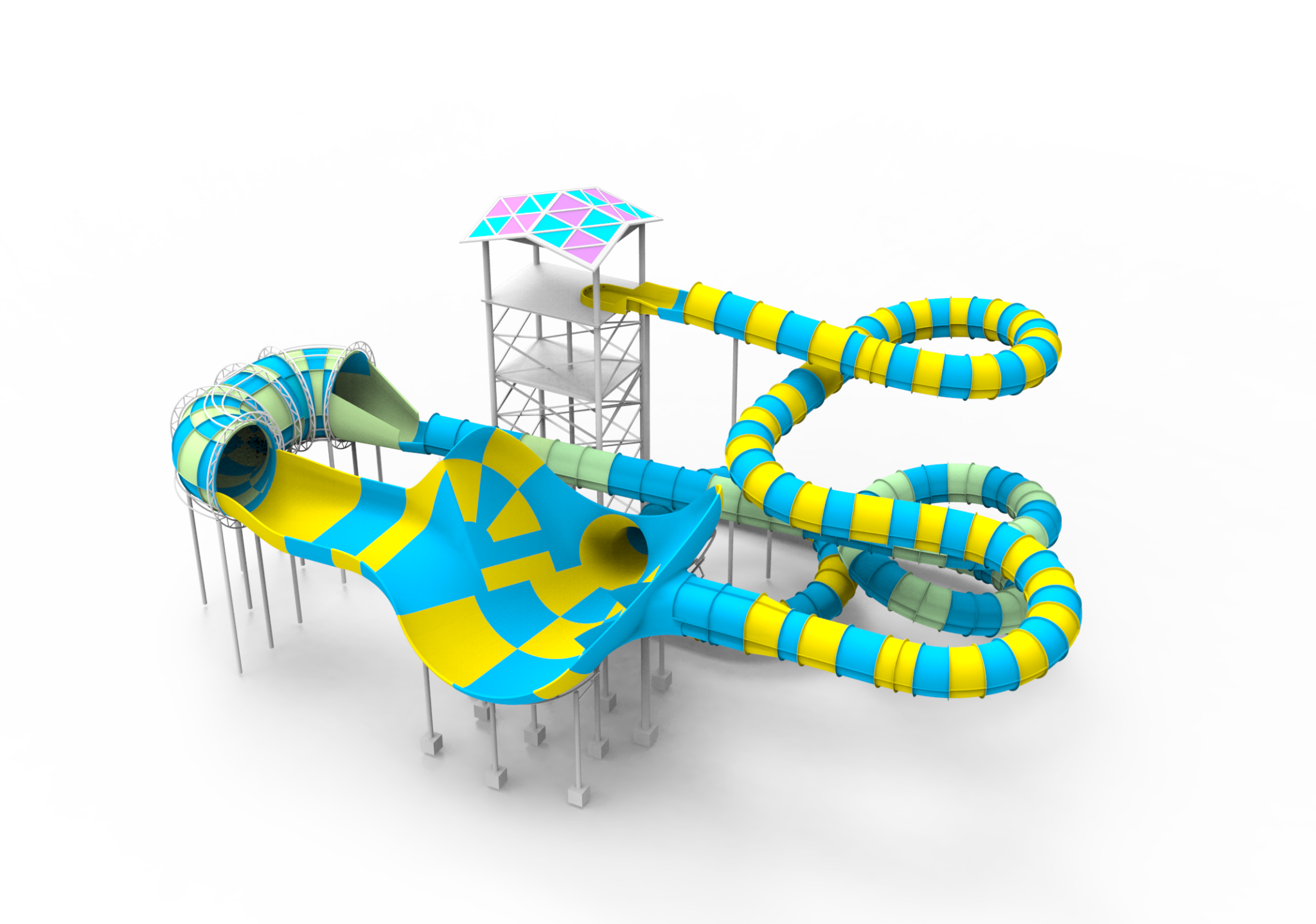
The fast, gritty problem for park operators: fiberglass slides that look great on day one but show stress, gelcoat crazing, and structural fatigue within seasons. For builders who churn out heavy-traffic attractions — including signature pieces like the tornado water slide — that degradation becomes a maintenance nightmare and a liability vector if left unaddressed.
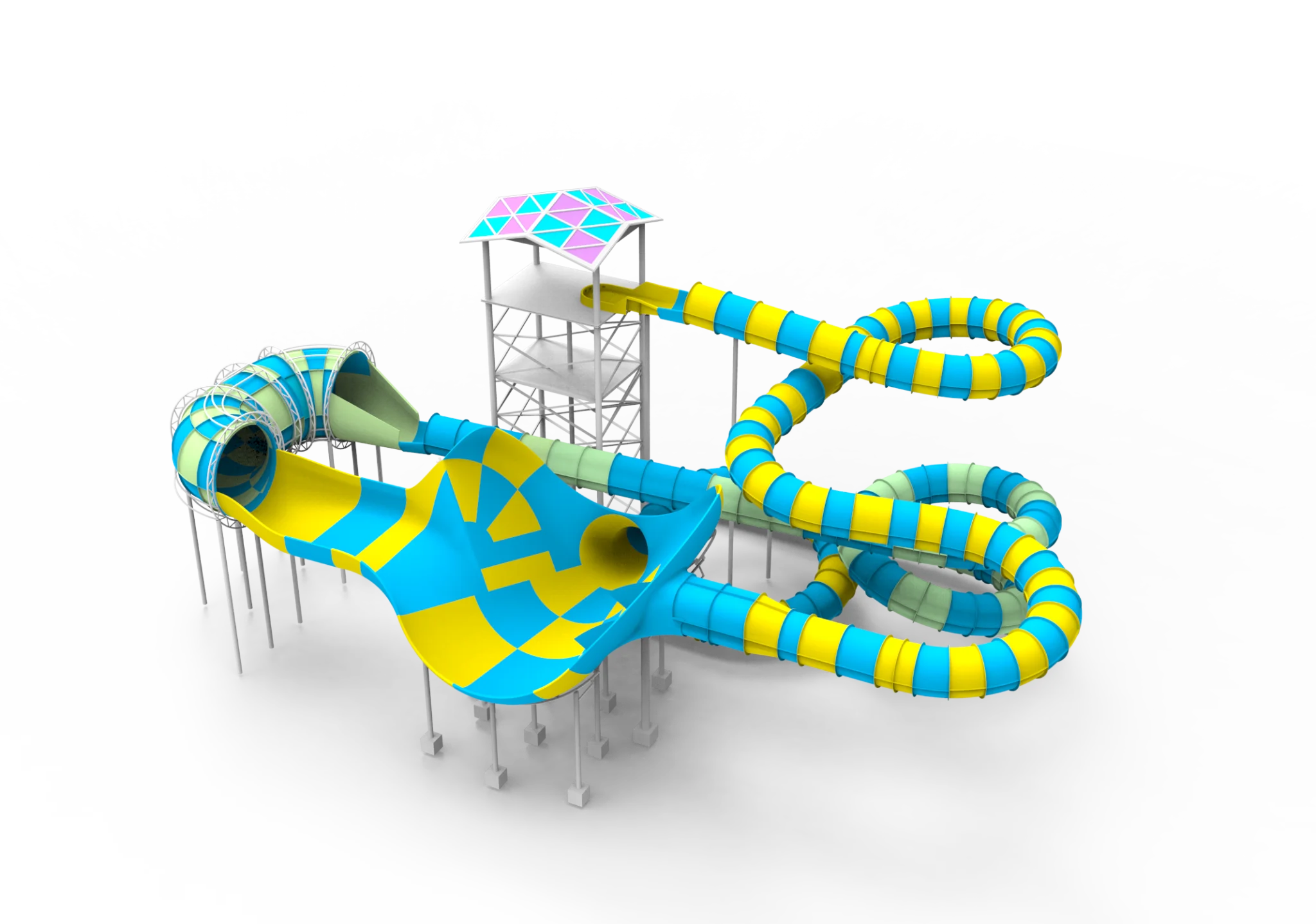
Why fiberglass breaks down faster in busy installations
Fiberglass degradation happens from cumulative causes: repeated rider impact, UV exposure, water chemistry, and poor lamination. Gelcoat erosion and osmotic blistering start at micro-defects created during manufacture or installation. In high-throughput parks — think Orlando and other major markets where lines move in the hundreds of thousands over a season — those micro-defects compound quickly into visible cracking and load-bearing failures.
Operational consequences that matter
Failure modes aren’t academic. A delaminated section forces closures, repairs, and guest trust loss. There’s an immediate cost in downtime and a longer-term hit to brand reputation. Parks that ignore proper structural monitoring end up paying more for reactive repairs than for a sensible preventive program that includes routine inspection, protective topcoat renewal, and targeted repairs of bond lines.
Practical mitigation strategies for builders
Start with design choices that slow failure vectors. Use proper resin systems and controlled curing to reduce internal stresses during lamination — resin infusion or hand lay-up with validated post-cure can make a big difference. Follow these concrete steps:
– Specify thicker gelcoat in high-wear zones and add UV-stable pigments to limit photodegradation.
– Reinforce load paths with strategic core material and secondary glass layers to resist fatigue cracking.
– Seal all through-holes and fastener interfaces with compatible adhesives and perform certificate-level bonding tests during commissioning.
These reduce common issues — gelcoat crazing, osmotic blistering, and edge delamination — and extend service life without adding excessive weight.
Maintenance, inspection, and the on-site checklist
Maintenance is surgical, not theatrical. Weekly visual checks for hairline crazing, monthly measurements of topcoat thickness, and seasonal non-destructive testing for delamination are low-effort, high-impact. Keep logs that track water chemistry (pH, total dissolved solids) because corrosive pools accelerate resin breakdown. Train technicians to spot early lamination flaws during scheduled shutdowns — this saves days of unpredictable downtime later.

– Visual inspection: check gelcoat, seams, and fasteners.
– Thickness monitoring: measure protective topcoat and reapply when it hits the lower spec limit.
– NDT sampling: use tap testing or ultrasound on suspect areas each off-season.
Choosing partners and materials that actually perform
Buyers should ask suppliers for documented lamination protocols, sample tensile and fatigue test results, and references from busy parks. A supplier who can point to real installations — for example, multi-season rides in high-traffic regions — and to continuous production QC is worth the premium. When a builder mentions an anaconda water slide or similar large-format pieces, demand production traceability and post-install performance data.
— A quick aside: even a small mismatch in resin batch or improper post-cure can shave years off a slide’s life. It’s boring, but it matters.
Cost-effective tradeoffs and common mistakes to avoid
Cheap shortcuts show up fast. Skimping on core reinforcement or skipping controlled post-cure reduces upfront cost but multiplies repairs. Overcoating without addressing underlying lamination faults only masks problems. The smarter approach pairs robust initial fabrication with scheduled preventive maintenance and clear inspection KPIs.
Three golden rules for evaluation
When selecting materials, methods, or partners, use these metrics every time: lifecycle service targets (expected seasons before major rehab), documented fatigue and tensile test results tied to the resin/laminate used, and end-to-end production traceability including curing profiles and gelcoat specs. These three evaluation metrics quantify risk and make procurement decisions defensible.
Builders who align fabrication standards with park operations cut closures and liability, safeguard guest experience, and protect long-term margins — which is precisely the practical value that reliable manufacturers provide. Dalang.