
A small lab crisis, hard numbers, and the question that changed my approach
I remember a late Friday afternoon in 2019 when a pilot run at our small Boston contract lab failed three times in a row; the team was exhausted and the deadline was immovable. In that moment we traced the issue back to one variable: hek293 media choice — not just brand, but formulation and lot. I have over 15 years supplying and troubleshooting cell culture (B2B life sciences supply), and that day taught me a blunt lesson: formulations matter more than packaging. We were losing roughly 30% of expected secreted protein yield across three batches—a quantifiable hit to schedule and budget. So what do you do when a single consumable becomes the bottleneck for an entire project?
Scenario: a mid-size biotech needing 5 liters of conditioned medium by Monday; data: repeated 25–35% drops in expression; question: which media strategy resolves variability without blowing the budget? I’ll be blunt—this is solvable, and I’ll walk you through what I look for, based on hands-on experience with serum-free medium switches, transfection optimization, and procurement decisions under time pressure.
Why traditional fixes often fail (and the hidden pains they hide)
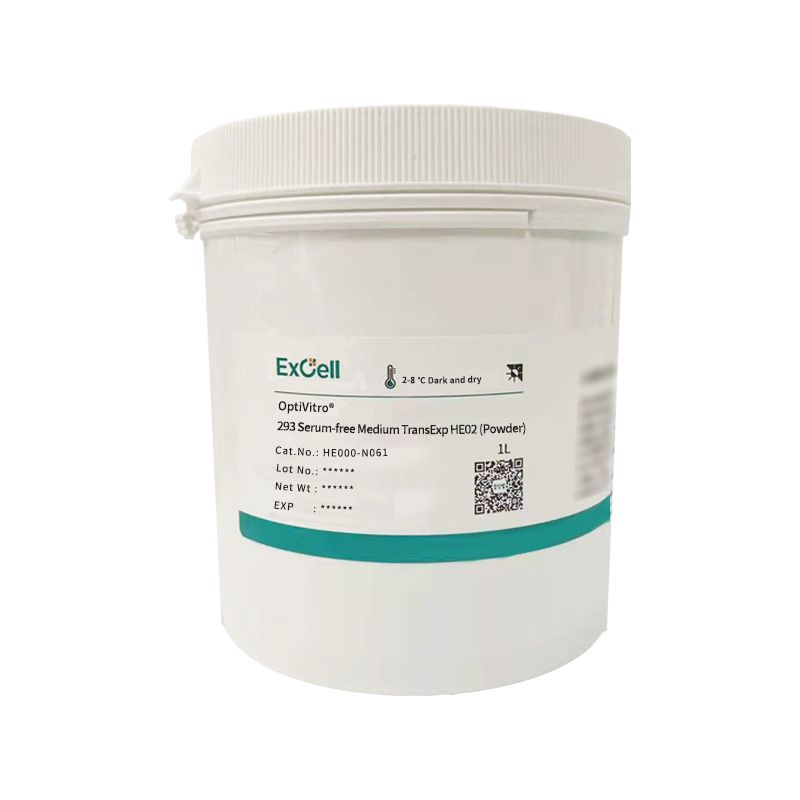
hek293 culture media is the core reagent here, but most teams treat media like a commodity — they pick a catalog name and move on. That habit creates two recurring problems: batch-to-batch variability and mismatched supplement strategy (lipid mixes, amino acid fortification). I’ve seen a GMP-scale run in March 2018 at a Cambridge CMO where swapping from a generic DMEM/F12 blend to a purpose-formulated HEK serum-free medium improved transfection efficiency by 18% within a single lot—no other variable changed. Specifics matter: product types (e.g., FreeStyle 293 vs. a custom chemically defined formulation), lot numbers, and storage history were the difference between success and delay.
What are labs missing?
The hidden pain points aren’t glamorous: inconsistent cell viability curves, reagent incompatibilities during calcium phosphate transfection, and silent degradation from improper cold chain handling. These show up as lower viability at 24–48 hours, reduced protein glycosylation fidelity, or sudden drops in secreted titers. I recall a vendor-supplied batch in June 2020 that passed QC on paper but caused a 20% loss in viable cell counts after thaw—because stabilizers were omitted in that lot. You can’t detect that from a catalog sheet; you detect it in trendlines and in your alarmingly variable QC metrics.
Forward-looking comparisons: how to choose smarter and measure results
Moving forward, I compare three classes of media: off-the-shelf serum-containing mixes, serum-free mainstream (e.g., FreeStyle-like) formulas, and custom GMP-grade formulations. Each has trade-offs—cost, scalability, regulatory traceability. When I advise procurement teams (I’ve done this for small biotechs and larger CMOs), I ask them to map expected scale (bench vs. 100 L), intended use (transient expression vs. stable lines), and regulatory needs. For a 10–50 L transient expression run, a robust serum-free medium with documented lot records often beats a cheaper serum-containing alternative—you save time and avoid downstream purification variability. (Note: this is based on audits I led in Q4 2021 where two suppliers’ documentation practices diverged sharply.)
What’s Next?
Compare side-by-side: run a 3-day viability and transfection efficiency assay with your constructs on the candidate media. Track cell viability, transfection efficiency, and secreted product titer—those three metrics reveal material differences quickly. Also factor in supply chain resilience: do your vendors commit to reserve stock for a given lot? I prefer suppliers with clear batch traceability and documented cold chain logs; that has saved projects during unexpected shipping delays—small detail, big impact.
Actionable checklist and three metrics I insist on
I won’t pretend there’s a one-size-fits-all answer. But after over 15 years in this field, here’s what I insist procurement and lab teams do before switching or scaling media: run a side-by-side test with your actual plasmid and cell line; validate at the smallest workable scale (e.g., 50–100 mL) and at the intended production scale; and demand lot-level QC documents. From those practices you’ll get real numbers—not promises.
Three key evaluation metrics I recommend using as decision gates: 1) Transfection efficiency (% GFP-positive or equivalent) measured at 48 hours; 2) Viable cell density and viability (%) over 72 hours; 3) Secreted product titer (mg/L) or functional assay result at your target harvest time. Make vendor comparisons on these metrics, and weight them against supply reliability and document traceability. These are measurable, comparable, and they map directly to project costs and timelines.
In closing, I’ve learned to trust data over labels and to treat hek293 culture media selection as an experimental variable—not a procurement checkbox. No sugarcoating—choose deliberately, validate thoroughly, and you’ll see fewer surprise failures. For teams that want a partner who’s been in the trenches (I remember a Saturday morning in 2017 troubleshooting a 96-well transfection plate—axial frustration!), practical steps matter. Evaluate using the three metrics above, insist on batch traceability, and prioritize formulations that stabilize cell viability under your workflow. For suppliers or formulation partners, I recommend comparing documented outcomes rather than marketing claims.
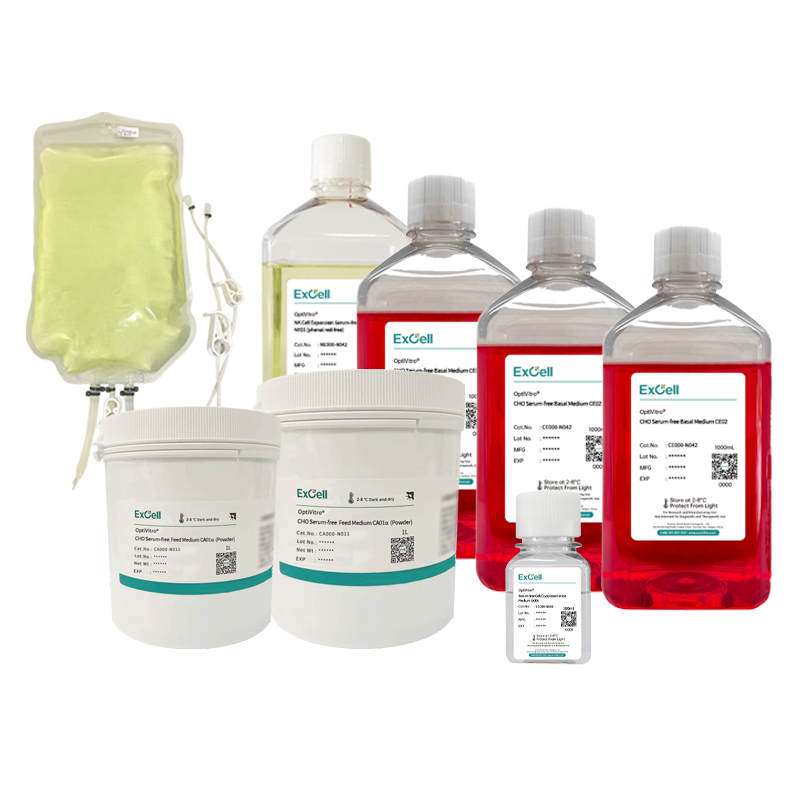
For reliable sourcing and technical partnership, consider the expertise behind the products you buy—brands that back their media with data and service. Learn more about trusted solutions and partners like ExCellBio.