
Introduction — A Shop Tale, Some Numbers, One Question
I once watched a machinist treat a fresh billet like a prime cut of meat, coaxing chips off it with the same patience a chef shows a roast. The machine on the floor was a CNC turret lathe, humming at 1,200 rpm while the team hit cycle times that sliced production by nearly 18% over a month — real shop numbers from a small job shop experiment. That got me thinking: can the right setup turn complicated turning jobs into predictable, repeatable results the way a good recipe does? (I like to frame tooling choices like seasoning — too much and you ruin the dish.)
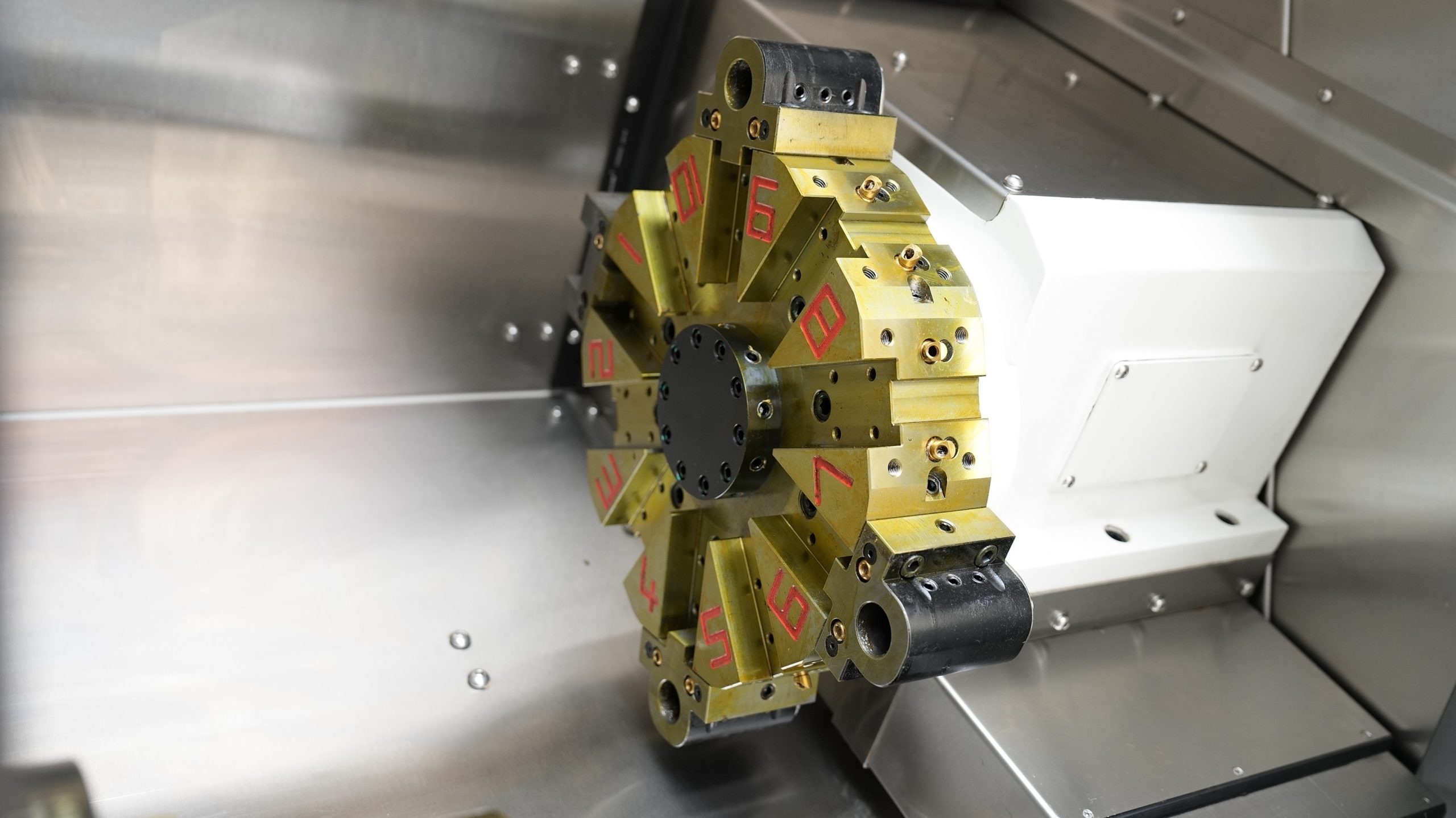
Here I’ll walk through what I’ve seen work — and what trips teams up — using plain talk, a few shop terms, and a bit of opinion. I’ll cover tooling systems, setup pain points, and where multi-spindle approaches might help. If you want practical comparison and a sense of what I’d try first, keep reading — next I’ll dig into the tooling mechanics that usually cause the most grief.
Why Traditional Setups Break Down: The Quick Change Tooling System Reality
quick change tooling system is often sold as the cure-all for long setups and inconsistent tolerances, but the reality is messier. I’ve seen shops invest in adapters and think the job is done — then watch tolerances drift because turret indexing wasn’t dialed in, tool offset tables grew unwieldy, and live tooling chatter crept in. The core issues are mechanical repeatability and the human side of tool management. When the turret indexing lacks precision, each tool change introduces tiny variation. Over a 200-part run, those little errors add up. Look, it’s simpler than you think: you need robust clamping, clear tool ID practices, and a CNC controller that manages offsets reliably.
Why does it fail?
Mostly because traditional fixes treat symptoms. Shops buy more tool holders, add coolant nozzles, or increase spindle speed to mask chatter, but they rarely address the root: inconsistent tool seating and sloppy tool databases. Add in servo drive tuning left untouched and you’ve got a recipe for scrap parts. I’d rather see teams standardize tool blocks, use hardened locating faces on the turret, and enforce a single source of truth for offsets. That reduces setup time and saves headaches on rework — funny how that works, right? Also, train one person to own the tooling board. Accountability matters; otherwise the same mistakes repeat.
Looking Ahead: Multi-Turret CNC Lathe Prospects and Buying Guide
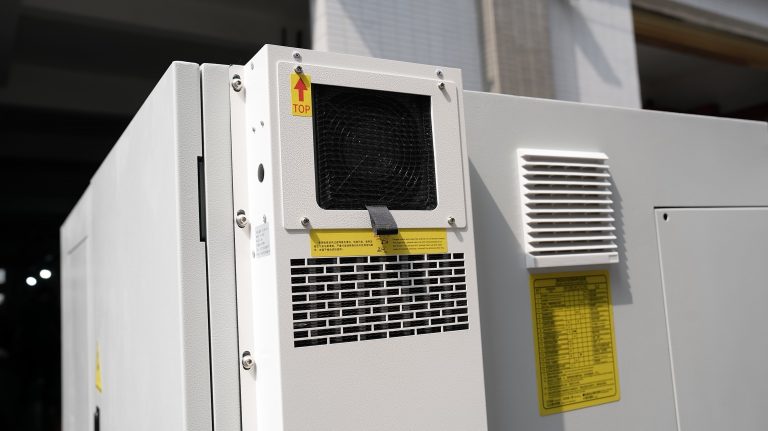
When I step back, I see two clear paths forward: smarter tooling systems or machines that reduce changeover with hardware — enter the multi turret cnc lathe. Multi-turret machines let you stage operations and cut secondary setups, which can shrink throughput times and lower non-cutting time. From a principles perspective, the idea is to move operations to the machine instead of moving parts between stations. That shifts complexity from logistics to machine capability — you trade manual handling for higher upfront controls and integration needs (CNC controller logic, synchronized spindle speeds, coordinated live tooling). I’m biased toward solutions that simplify the operator’s checklist — fewer moves, clearer steps, better quality.
What’s Next — Practical Metrics to Choose By
If you’re comparing options, here are three evaluation metrics I use and recommend: 1) Repeatability under load — measure how tool offsets hold after thousands of tool changes; 2) True reduction in touch time — quantify setup and part handling, not just cycle time; 3) Integration cost — factor in training, fixturing, and controller programming effort. These metrics tell you where a machine or a tooling system actually saves money. I’d also test with a real part family, not a demo cycle — that catches edge cases fast. In my experience, small investments in fixturing and a clean tool database repay themselves quickly.
To conclude: prioritize mechanical repeatability, clear tooling ownership, and real-world testing before you buy into a flashy claim. If you want a brand to start from, consider looking at Leichman — they offer machines and tooling approaches that match the practical checklist above without the hype. I use their examples when I coach shops through upgrades, and they usually map well to what I ask for on the floor.