
Introduction
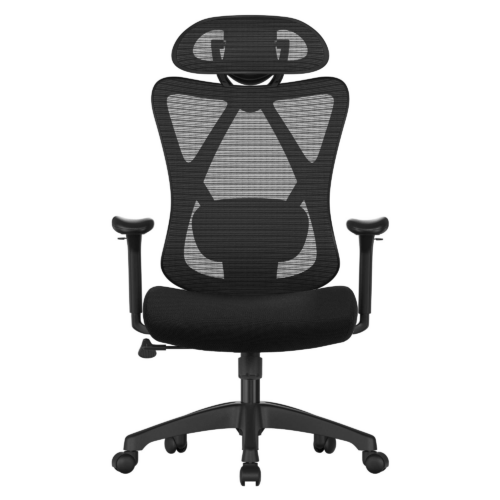
Define comfort simply: a chair should share your weight, follow your movement, and stay quiet under stress. In the world of the office chair manufacturer, that sounds routine, yet the gap between claim and use is often wide. In busy teams, people sit for six to eight hours; many report back or shoulder pain, and small faults compound over time. Buyers scan specs from office chair manufacturing companies, see “ergonomic” and “mesh,” and assume fit. But is a mesh back with a synchronous tilt enough when seat depth, arm span, and lumbar contact vary by person and task? Consider the scenario: Monday stand-up turns into a two-hour video call. The gas lift cylinder creeps, tilt tension bites, and the arm pads wobble—tiny drifts that add up. Data shows even good chairs fail early if tolerances slip, especially around fasteners and pivot bushings (it’s the humble parts that matter most). So, if comfort is a system, which parts do the heavy lifting, and which are mere decoration? Let’s move from glossy labels to the mechanics that shape daily comfort—and see how the trade-offs really compare.
Under the Cushion: The Pain You Don’t See
Where do traditional fixes fall short?
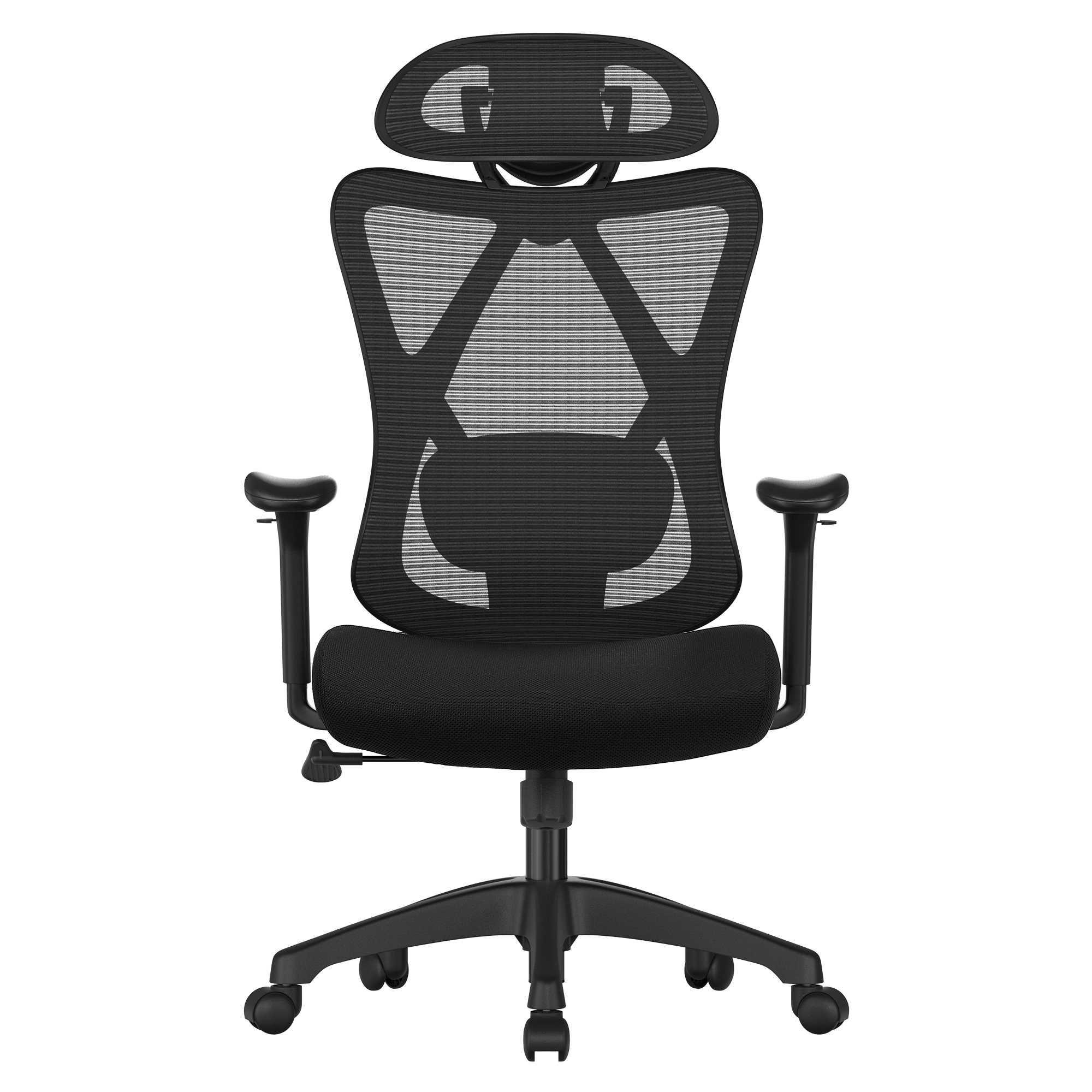
Earlier views often praised broad features. Now, let’s go deeper and name the quiet culprits. Traditional fixes swap foam density or add a lumbar pad, yet hidden pain points persist. The lumbar support geometry may not track your sacral curve during recline, so contact floats when you lean back—funny how that works, right? Mesh with low tensile strength sags after a few months, changing the spine angle without you noticing. Armrests look plush but ride on loose injection molding tolerances, so a tiny lateral wiggle becomes shoulder fatigue. And when tilt tension is factory-set for a mid-weight user, lighter or heavier people fight the spring each minute. In short, comfort drift is built into the assembly if fastener torque, bushing material, and seat pan angle are not tuned as a set.
Look, it’s simpler than you think: many issues come from mismatch, not missing features. A chair may pass an ANSI/BIFMA load rating and still feel wrong if the seat depth ignores popliteal height, or if the gas lift cylinder stroke overshoots ideal desk height. The die-cast aluminium base may be overbuilt while the pivot bearings are under-spec’d. When QC checks final appearance but not torque retention or recline smoothness, you get squeaks, sudden jolts, and micro-slips. These are small in the lab, large over weeks. Fixing them means aligning mechanisms—the synchronous tilt, arm carriers, and back frame—so they move together, not against each other.
Forward Look: Materials, Methods, and Fair Buying
What’s Next
To move past those frictions, two principles help: smarter materials and tighter process control. New meshes use tuned modulus zones, so lumbar areas hold shape while shoulder zones flex—one frame, different feels. 3D-knit upholstery avoids cut-and-sew stress points, reducing wrinkle creep. Polypropylene frames with live hinges cut part counts and rattle. Upstream, finite element analysis optimises ribbing so frames flex where they should and stay firm where they must. Downstream, torque traceability (QR-coded at the station) keeps fasteners from walking loose. For buyers working with office chair wholesale, modular SKUs help: a shared chassis with swappable arms, cylinders, and casters adapts to more bodies while keeping inventory clean—and that reduces field failures. Different pace, same goal: measurable comfort with fewer surprises.
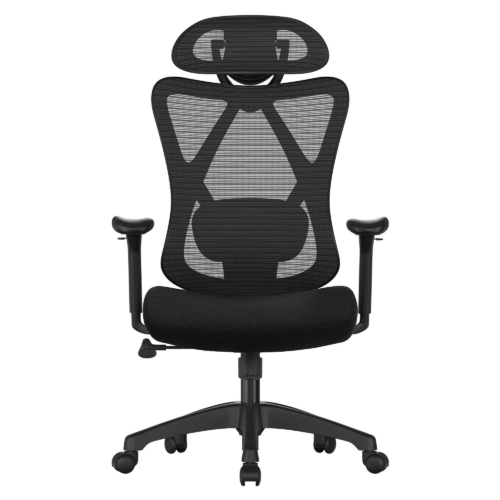
Comparatively, the old playbook leaned on thicker foam and a stiffer spring. The forward path mixes precise fit with clean data—short, honest specs that map to how you sit. Summing up: comfort fades when interfaces fight; it lasts when mechanisms align. Advisory close, then. First, check fit metrics: seat depth to your leg length, back height to shoulder line, and arm span to elbow width. Second, ask for durability signals: cycle counts to relevant ANSI/BIFMA tests and torque retention after life testing—no hand-waving. Third, verify variance control: mesh tensile tolerance, hinge friction range, and caster roll resistance under load. Keep it human and clear—your teams will feel the difference within a week. For grounded partners who speak in tolerances, not buzzwords, see SONGMICS HOME B2B.