
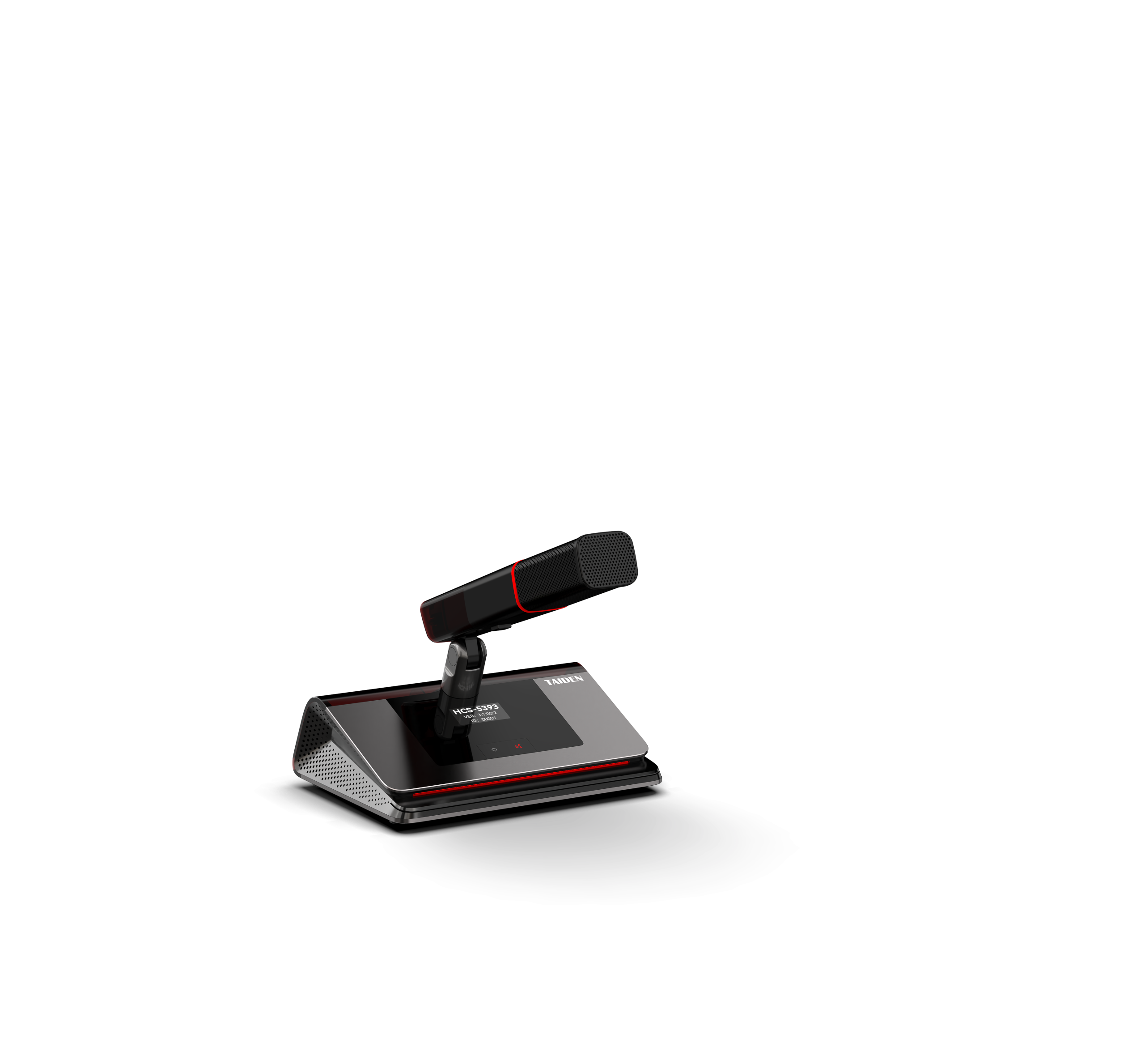
The Gap Between Promise and Reality
Success in a meeting room is simple to define: clean sound, low delay, stable links. Most teams expect a wireless conference system to feel like a light switch—on and reliable. Now picture a city council room on a long budget night. The room is full, mics pass around, and the stream goes live. Then, a burst of chatter, a chair scrapes, and a speaker’s words clip out. Folks stare at the tech booth (bless ’em). In our field notes from more than a hundred rooms, close to one in three hybrid sessions hit a snag tied to signal drop, battery sag, or poor mic pickup. Even when gear is new. The pattern shows up when RF noise spikes, when seating shifts, or when battery packs get swapped late. It all rolls downhill into latency, echo, and missed points—funny how that works, right?

So why do good rooms go bad under pressure? And why do fixes seem to fade by the next quarter? We need to compare how these systems behave in the wild, not just on the spec sheet. Here’s where the story turns, y’all—let’s zoom in on the user pains that rarely make the brochure.
The Hidden User Pain Points with Digital Wireless Discussion Devices
Where do users really stumble?
A digital wireless discussion device promises tap-to-talk ease. Look, it’s simpler than you think, yet real rooms add friction. First, people move mics. Places shift. When units slide across a table, pickup changes and the auto-gain chases the room. That adds tiny delays that stack into latency. Second, the RF spectrum is busy. Laptops, phones, and building sensors crowd the air. When channel allocation isn’t planned, small hits to signal turn into dropouts—and that’s when folks start blaming the mics. Third, batteries sag late in long meetings. If power converters or docks are mixed and matched, you get uneven charge health and random shutoffs.
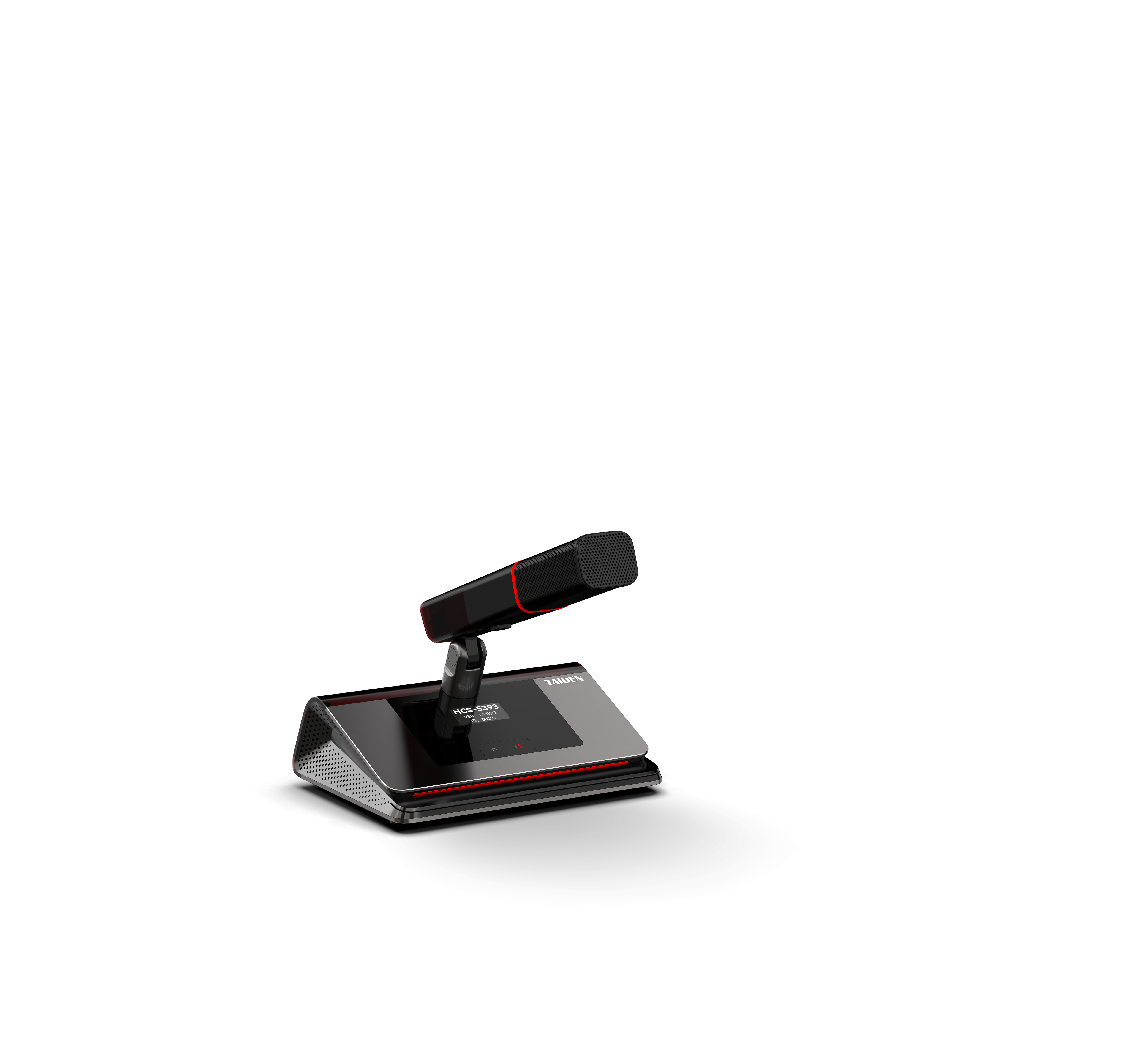
There’s more. Some teams run these systems next to Wi‑Fi without QoS rules, so the jitter buffer fills at the worst time. Then audio sounds like it is underwater. And in rooms with glass and hard walls, beamforming mic arrays can grab the wrong voice off-axis if chairs spin or people talk over each other. The devices aren’t broken; the workflow is. Direct support scripts often miss these human factors. So, the pain is not only tech—it’s layout, habits, and small timing errors that build into big misses. The fix starts with seeing the whole chain, end to end.
RF vs. IR, Today vs. Tomorrow: Principles That Change the Room
What’s Next
New builds now compare radio and light. An infrared wireless conference system uses line-of-sight light in the room. It does not pass through walls, so it dodges RF noise and keeps voices inside the space. That also raises a need for clean sightlines—no tall centerpieces, no dark corners. With proper ceiling emitters, coverage becomes predictable. Pair that with smart channel allocation, tight AES encryption on control links, and local DSP, and you shrink failure windows. Modern systems also push processing into edge computing nodes near the room. That move cuts round-trip delay and stabilizes gain rides during fast back-and-forth talk. It feels calmer. More natural. And when IR is not a fit, better RF tools—real-time spectrum scans, auto power control, and dynamic mic grouping—close the gap.
What does this mean for teams from our first scene? We roll forward with a comparative lens. In noisy office stacks, IR often offers cleaner borders. In flexible training rooms, refined RF with better antennas and planned QoS can win. Battery health dashboards and guided seat maps reduce drift in mic placement—funny how the small nudges fix the big headaches, right? To choose well, use three clear checks: One, measure signal integrity under load, including latency and packet loss during stress. Two, review deployment complexity: emitter placement, charging cycles, and cable runs. Three, test security and privacy boundaries in real use, not just on paper. Stick to these, and your rooms will sound right as rain without heroics from the booth. For deeper know-how and standards-minded designs, see TAIDEN.