
A Quick Scenario
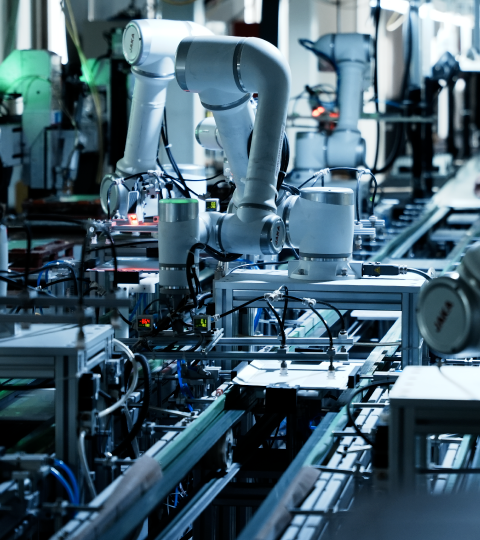
Picture this: a bustling factory floor, machines whirring away, and workers surrounded by heaps of tasks. Fascinating, isn’t it? As of 2023, the global market for collaborative robots (cobots) is projected to reach $11 billion. The question is—how will collaborative robots revolutionize the industry by solving long-standing inefficiencies? Indeed, they go beyond just automation; they promise a more integrated workforce where humans and machines can collaborate seamlessly.
Understanding Articulated Robots
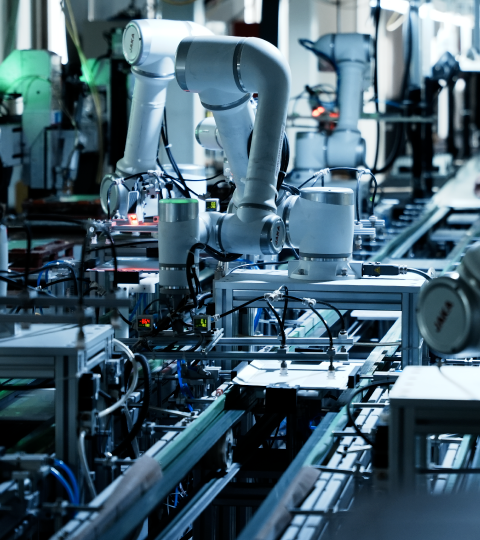
Let’s break it down to one popular type of collaborative robots: the articulated robot. If you haven’t heard of them, think flexible arms that can mimic human movement while performing delicate tasks. I can distinctly recall a time I watched an articulated robot sort parts in an automotive assembly line back in 2020—its precision was mind-blowing. Traditional automation has its flaws, like rigidity and a lack of adaptability. But here’s the fun part: articulated robots can adapt and even change tasks on the fly, making them perfect for unpredictable environments. What’s more, they work alongside humans, providing a safety net that traditional machines lack.
Why Choose Collaborative Robots?
Let’s flip the script for a moment. Why are businesses increasingly reaching for collaborative robots over traditional automation? First off, they’re significantly easier to program. You don’t need a degree in robotics to get one rolling—most come with intuitive interfaces that anyone can learn. It’s like a breath of fresh air in a space dominated by complex software. Plus, they are cost-effective solutions for small to medium enterprises that might feel overwhelmed by the full-scale automation dream.
What’s on the Horizon?
As I see it, the future of manufacturing with collaborative robots is bright—especially when discussing articulated robots. The landscape will likely shift toward increased customization and integration of AI, allowing even greater efficiency and flexibility. Companies will probably invest more into smaller automated solutions rather than giant robots that demand entire overhauls of current systems—how’s that for everyone?!
This approach speaks volumes about adaptability in chaotic environments. Rather than eliminating jobs, these cobots will make roles more enjoyable and less mundane. Picture a scenario where your robot assistant takes care of repetitive tasks while you focus on strategic and creative endeavors. That’s the dream—and it’s closer than you think.
Evaluating Your Options
So, how do you decide if you need a collaborative robot in your facility? Start by assessing three key metrics: cost of implementation, ease of integration, and scalability potential. Ask yourself, “Can this robot grow with our business?” If the answer is yes, well then, you might be onto something big. I’ve learned firsthand that each of these elements is vital for long-term success. Definitely worth pondering!

As we keep looking ahead, it’s clear that phased adoption—starting with simpler tasks and gradually introducing more complex ones—is often the best path. Reflecting on my journey, I see the immense value in taking that calculated leap. There’s nothing like seeing the tangible benefits of a new system unfold in real-time. It’s exhilarating!
In conclusion, the rise of collaborative robots in manufacturing represents an opportunity to redefine productivity and worker satisfaction. If you want to stay ahead of the curve, now’s the time to dive in. Trust me—it’s worth every penny. For more information on innovative solutions, check out JAKA—they truly understand the future of automation.