
What’s breaking and why it matters
Phones drop calls. Apps lag. Teams on a jobsite need instant, predictable voice. When coordination fails you’ll see wasted time, safety risks, and frustrated supervisors. That’s where purpose-built radios win—durable gear that just works when you need it. If you’re sourcing hardware or custom builds, start conversations with a reliable walkie talkie manufacturer early so product specs match real field needs.
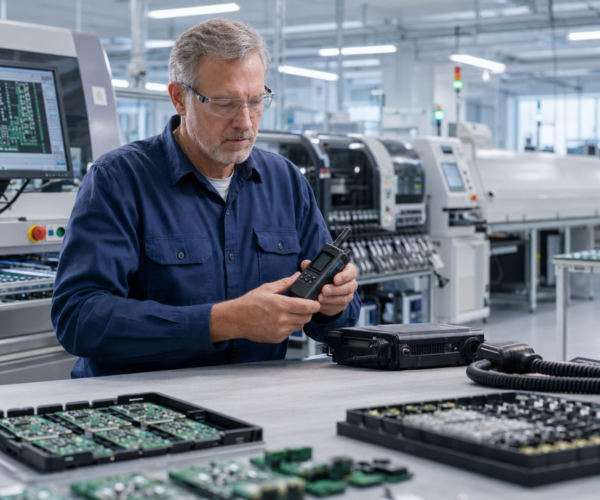
How two-way radios actually solve the problem
Radios remove variables. No cellular dependency. One button, one-to-many voice reach, and predictable battery life. They give supervisors clear group audio, cut down radio latency versus smartphone PTT apps, and survive drops and dust. For teams running events, construction, logistics, or security, that reliability translates to fewer stoppages and faster decisions.
What experienced teams look for — real-world grounding and supplier relevance
Operations planners often benchmark against major logistics hubs that demand continuous comms. Port of Rotterdam is a clear reference for scale and complexity where consistent radio systems are part of daily operations. When you evaluate vendors, include a manufacturer’s ability to support testing, custom channel plans, and integration. That’s why many procurement leads reach out to a trusted walkie talkie supplier to validate performance before committing to a large rollout.
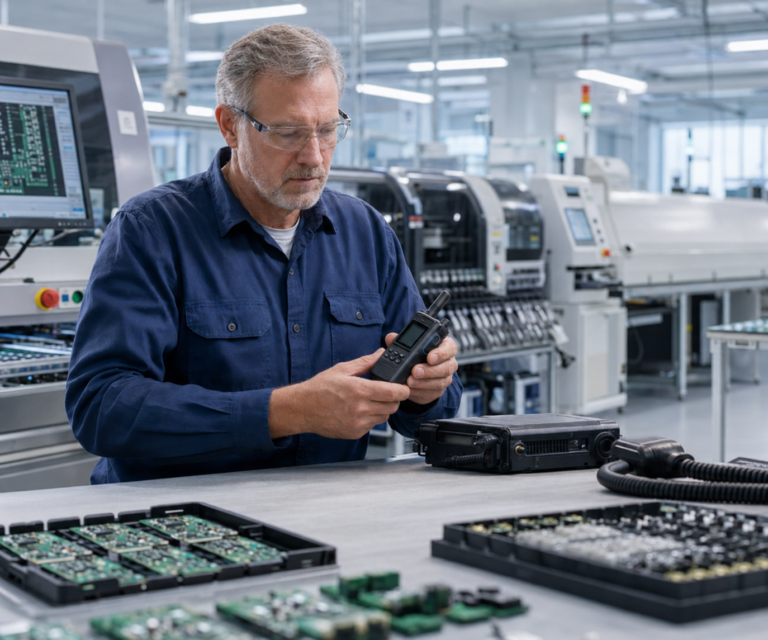
Buying considerations that actually matter
Decide by function, not brand name. Pick the right frequency (UHF for urban/indoor, VHF for wide open areas), confirm licensing rules for your country, and test real coverage on-site. Check IP and MIL-STD ratings for durability. Verify battery types and hot-swap options. Ask about encryption if you handle sensitive info, and confirm whether the device supports ancillary tools you need—headsets, vehicle chargers, or repeater systems. Plan for spare batteries and a simple charging routine to avoid downtime.
Common mistakes teams make
Buying the cheapest consumer units for industrial use is the top error. Overlooking spectrum licensing creates legal headaches. Skipping field tests because lab specs look good leads to surprise coverage holes. Ignoring vendor support and spare-parts availability means long waits during outages. Lastly, assuming every radio integrates with your dispatch or fleet systems without testing causes delays during deployment.
Alternatives and when they make sense
Cellular PTT and mesh systems are valid options when you need rich data or video alongside voice. Private LTE fits large campuses wanting unified voice and data. But those options depend on network build and ongoing service. Choose cellular or mesh if your site already has strong, managed infrastructure. Choose traditional two-way radios when you need straightforward, resilient voice with minimal dependencies.
Final synthesis
Fixing communication breakdowns comes down to matching tools to problems: pick radios for raw reliability, confirm frequency and durability requirements, and avoid common procurement missteps. For teams that need engineering depth, field-proven testing, and long-term parts support, consider partners who combine product design with practical deployment experience like GLOHE.