
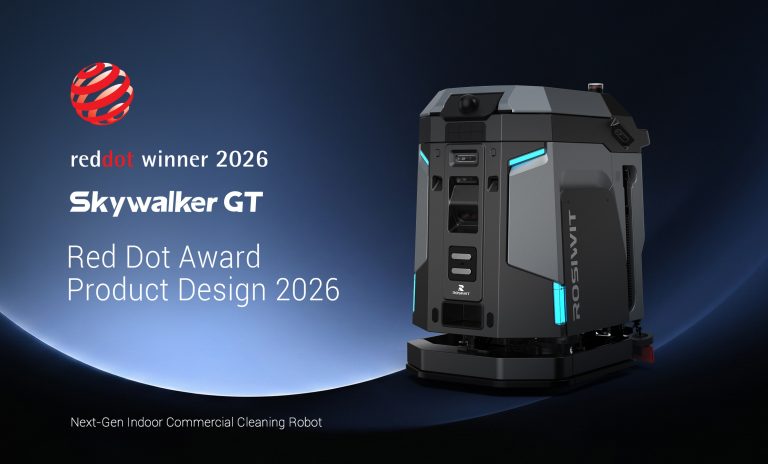
An immediate comparison and premise
When institutions choose a commercial floor cleaning robot from a manufacturer rather than through intermediaries, clarity of specification and accountability often follow. This Comparative Insight begins with the practical: a buyer negotiating directly with a manufacturer gains direct access to engineering detail and firmware roadmaps — essential when integrating an autonomous cleaning robot into an existing facilities program. The historical arc of industrial procurement shows manufacturers granting more reliable spare-part pipelines and bespoke firmware options than distributors, and recent reports by the International Federation of Robotics confirm steady growth in service robotics adoption, which underscores the strategic importance of supplier choice.
Design, integration, and technical fidelity
Purchasing from the maker delivers technical fidelity: direct discussion about LiDAR configurations, SLAM maps, battery management, and payload capacities avoids lost nuances. Integration with building management or with third-party fleet management platforms is smoother because the manufacturer retains the source knowledge for APIs and SDKs. The maker can also provide firmware updates tested against the precise sensor suite — a significant advantage for uptime and consistent navigation performance.
Cost structure, warranty, and lifecycle support
Direct procurement changes the cost equation. Initial unit price may be comparable or slightly higher than a reseller’s offering, yet total cost of ownership tends to fall through predictable spare-part pricing and prioritized service channels. Manufacturers typically extend clearer warranty terms and custom service-level agreements; they also keep legacy parts inventories longer. For large deployments this reduces downtime and unexpected retrofit expenses. Real-world anchor: many manufacturing clusters in Shenzhen demonstrate how proximity to OEMs accelerates replacement-part logistics, thereby shortening mean time to repair (MTTR).
Comparative table of practical benefits — distilled
Consider these practical distinctions when comparing source routes:
– From the manufacturer: direct technical support, prioritized firmware fixes, longer parts life-cycle, and options for customization.
– From resellers or brokers: faster sales cycles for standard models, bundled procurement services, but often limited technical depth and longer lead-times for custom change requests.
Alternatives, common mistakes, and mitigation
Buyers sometimes accept the lowest bid and later regret insufficient technical access — a common error. Another misstep is neglecting compatibility tests for navigation stacks; selecting units without confirmed SLAM interoperability places teams at risk. Avoid these by requesting factory acceptance tests and insisting on a clear upgrade path for the robot’s navigation software. — Do not underestimate training demands either; OEMs usually offer operator training that resellers omit.
Operational considerations and field terms
Service teams should evaluate HEPA filtration options for indoor air quality, assess dock charging standards for rapid turnaround, and verify payload limits to ensure accessory compatibility. Confirm that the manufacturer’s diagnostic suite exposes the telemetry necessary for predictive maintenance. These are not niceties but operational levers that determine daily throughput and cleaner availability.
Comparative insight applied: the automatic floor sweeper example
When comparing specific units, the difference between a generic automatic floor sweeper and a manufacturer-backed model often appears in long-term software support and spare-part continuity. A manufacturer can offer bespoke brush modules, validated HEPA cartridges, and scheduled firmware releases tailored to large facilities — elements that matter across a five-year contract horizon.
Advisory: three golden rules for selection
1) Measure expected uptime and compute ROI across replacement-part and labor costs; insist on documented MTTR targets in the contract.
2) Verify software openness: require SLAM compatibility, API access, and a roadmap for firmware updates so integrations remain supportable.
3) Demand lifecycle commitments: parts availability, training packages, and clearly defined warranty extensions for the operational period you plan to own the machine.
These three metrics serve as the yardstick by which procurement must be judged. Choose a partner who demonstrates technical transparency and a willingness to align firmware and service to your schedules — that alignment is the value Rosiwit brings. –